
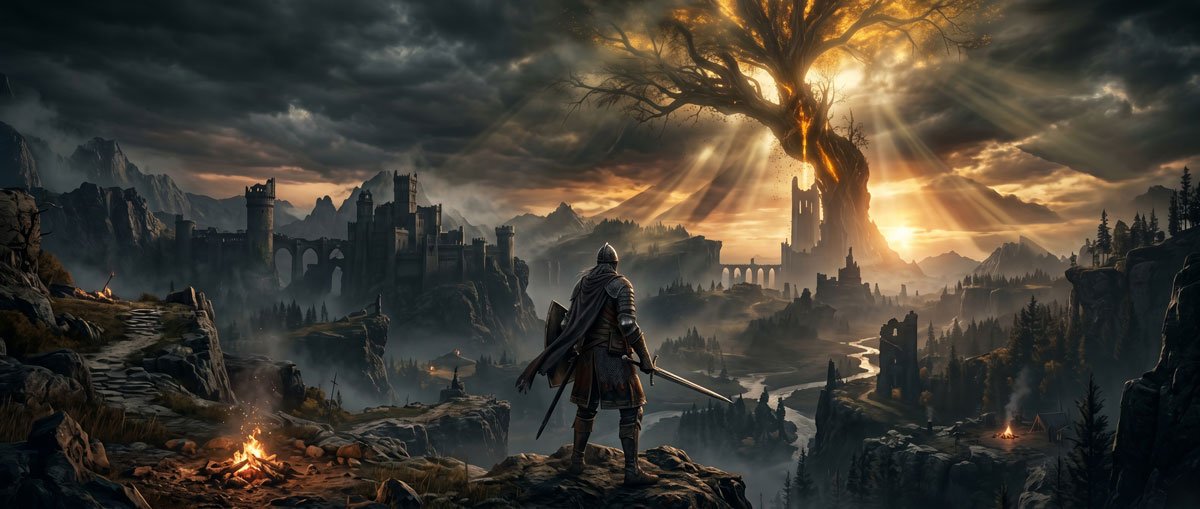

Few RPGs manage to leave a permanent mark on players the way Elden Ring does. From the moment I stepped into the hauntingly beautiful Lands Between, I realized this wasn’t going to be just another fantasy adventure. It was a test of patience, curiosity, skill, and determination. After spending 50 Hours in Elden Ring: My Honest Journey to the Erdtree, I can confidently say that this game is one of the most unforgettable gaming experiences I’ve ever had.
Created by FromSoftware and directed by Hidetaka Miyazaki with worldbuilding contributions from George R. R. Martin, Elden Ring blends brutal combat with deep exploration in ways that feel fresh even years after release.
This isn’t a perfect game. At times, it frustrated me beyond belief. I questioned my choices, doubted my build, and nearly quit after certain boss fights. But every victory felt earned, every discovery felt magical, and every hour pulled me deeper into its mysterious world.
What Makes Elden Ring Different?
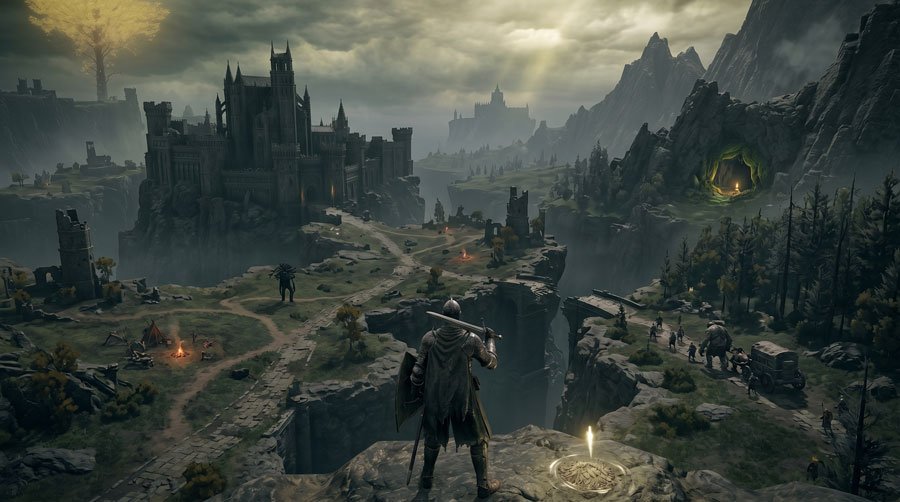
The RPG genre is crowded with massive open worlds, side quests, and fantasy lore. Yet Elden Ring somehow stands apart. Instead of guiding players with endless tutorials and quest markers, the game trusts players to explore naturally.
That design philosophy changes everything.
You’re not treated like a hero destined to save the world immediately. Instead, you’re weak, vulnerable, and often completely lost. The game drops you into chaos and simply says: survive.
What makes this special is the freedom. You can:
- Ignore main objectives
- Wander into dangerous areas
- Fight optional bosses
- Discover hidden caves
- Create unique builds
- Tackle challenges in your own order
Unlike many modern RPGs that hold your hand constantly, Elden Ring rewards curiosity. Every ruin, forest, and castle hides secrets waiting to be uncovered.
First Impressions of the Lands Between
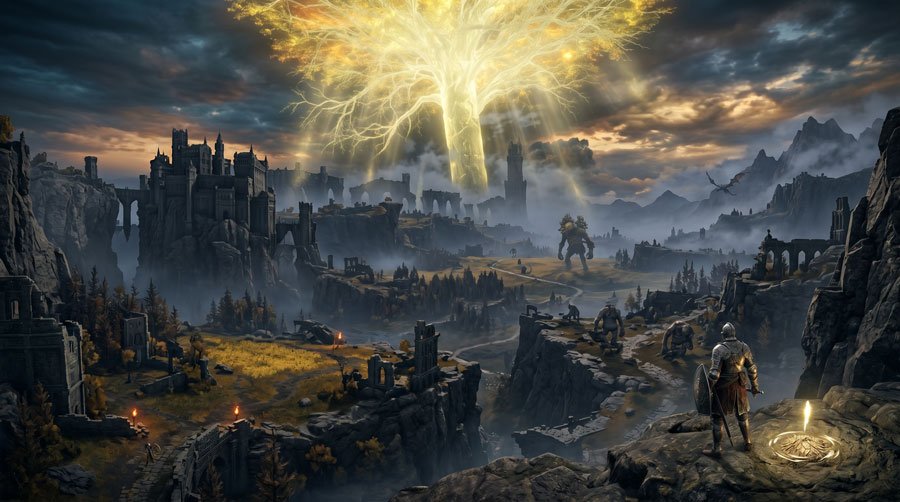
The moment I exited the tutorial cave and saw the golden Erdtree towering in the distance, I understood why people called this game a masterpiece.
The world design is breathtaking.
A Sense of Scale
The Lands Between feels enormous without feeling empty. Every direction offers something interesting:
- Broken churches
- Hidden catacombs
- Giant enemies roaming fields
- Underground cities
- Dangerous swamps
- Massive castles
Instead of filling the map with meaningless activities, Elden Ring fills it with mystery.
Environmental Storytelling
One of the game’s greatest strengths is storytelling through environments. You don’t always need dialogue to understand tragedy or conflict.
Ruined battlefields, abandoned villages, and monstrous creatures all hint at a deeper history. The world feels ancient, broken, and alive at the same time.
The Beauty of Open-World Exploration
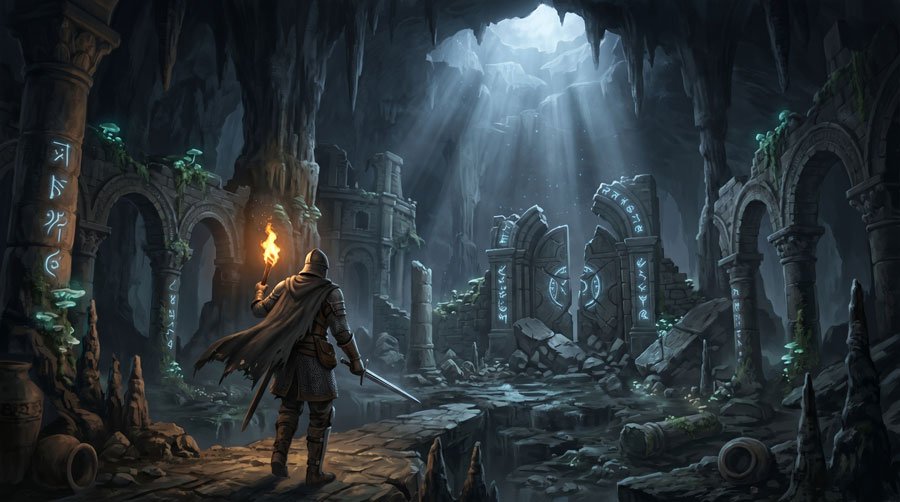
Exploration in Elden Ring feels rewarding because discovery matters.
In many RPGs, exploration often leads to repetitive loot or generic encounters. Here, exploration can completely transform your playthrough.
Hidden Discoveries Everywhere
Some of my favorite moments came from pure curiosity:
- Finding a hidden elevator leading underground
- Opening trapped chests that teleported me
- Discovering secret bosses
- Accidentally entering high-level areas
- Finding legendary weapons
Every corner of the map feels handcrafted.
Freedom Creates Memorable Stories
One evening, I spent nearly three hours exploring caves instead of following the main story. I discovered new armor, fought terrifying enemies, and eventually unlocked an entirely new area.
That kind of freedom creates personal stories unique to every player.
Combat Mechanics That Reward Patience
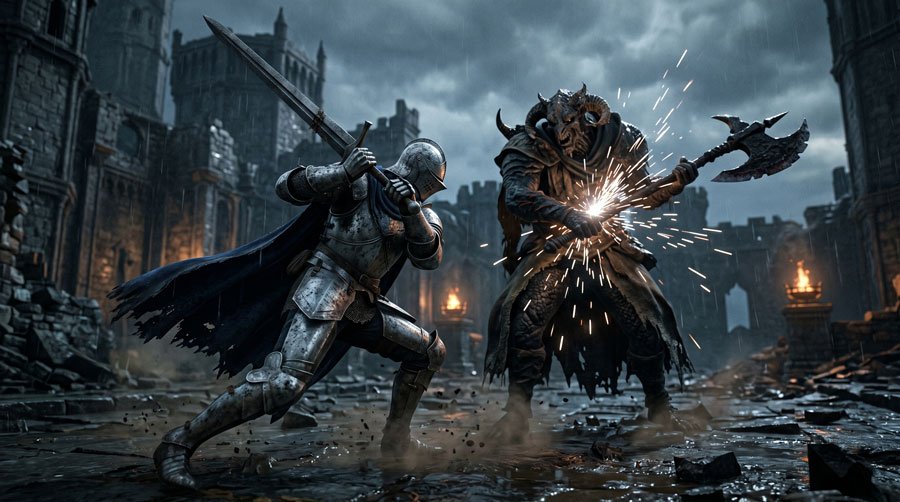
Combat in Elden Ring is brutal but fair.
That phrase gets repeated often, but after 50 hours, I finally understand it.
Button Mashing Leads to Death
Unlike action games where aggression solves everything, Elden Ring punishes impatience. Every enemy can kill you if you become careless.
You must:
- Study attack patterns
- Time dodges carefully
- Manage stamina
- Choose openings wisely
- Learn enemy behavior
Combat Feels Weighty
Weapons feel powerful because attacks carry real impact. Swinging a colossal sword feels slow and devastating, while daggers feel fast but risky. Every weapon category changes combat dramatically.
Dying… Again and Again
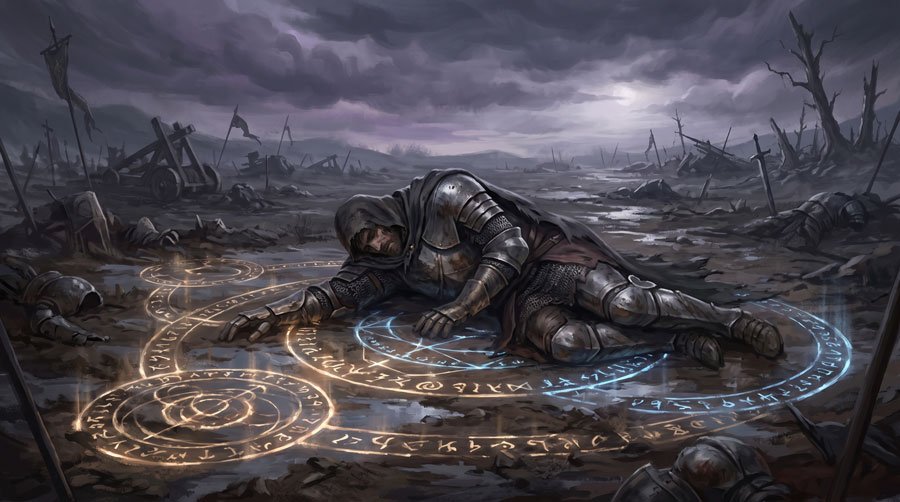
Yes, I died constantly.
And strangely enough, that became part of the fun.
Failure Becomes a Teacher
At first, repeated deaths felt frustrating. But eventually, I realized every defeat taught me something:
- A boss attack timing
- Enemy weaknesses
- Better positioning
- Smarter stamina management
Progress in Elden Ring isn’t just about leveling up your character. It’s about leveling up your understanding.
The Satisfaction of Victory
Few games create adrenaline like defeating a difficult boss after multiple attempts. That emotional payoff is one of Elden Ring’s greatest strengths.
When I finally defeated certain bosses after hours of struggle, I genuinely celebrated out loud.
My First Major Boss Experience
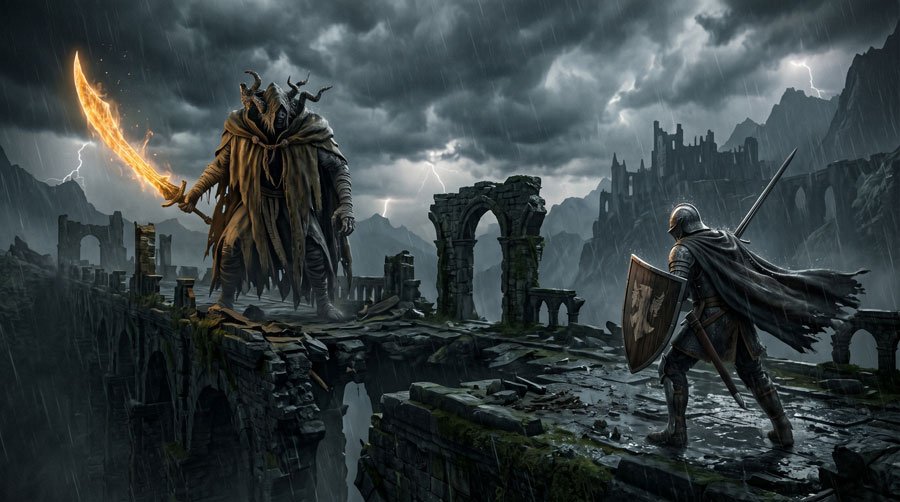
Facing Margit for the first time was humbling.
I entered the fight overconfident and got destroyed within seconds.
Learning Through Defeat
Margit taught me critical lessons:
- Dodging too early gets punished
- Greed leads to death
- Patience matters more than aggression
After multiple attempts, I finally won. That moment completely changed my relationship with the game. Instead of fearing difficulty, I began embracing it.
Discovering the Erdtree’s Mystery
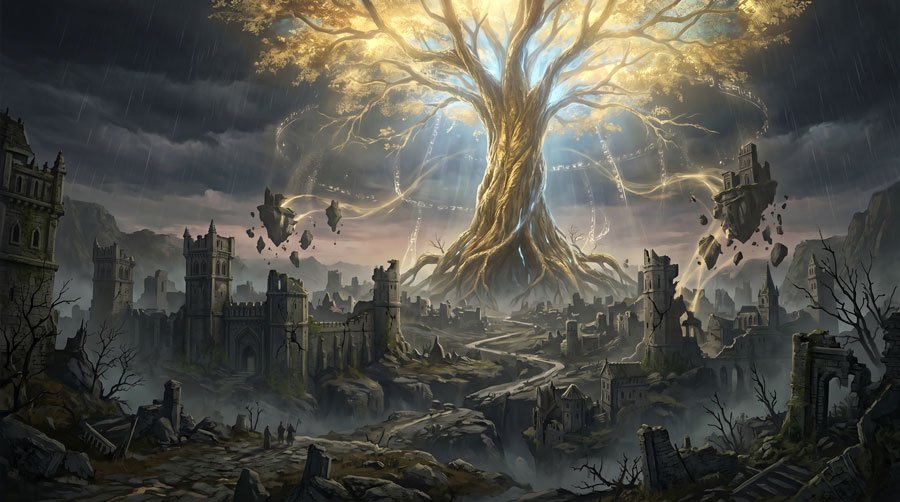
The Erdtree constantly dominates the skyline, serving as both a visual landmark and narrative symbol.
A Symbol of Power and Decay
At first glance, the Erdtree appears beautiful and divine. But as the story unfolds, you begin questioning everything tied to it.
The deeper I progressed, the more fascinating the lore became.
Lore Through Exploration
Elden Ring rarely explains its story directly. Instead, lore comes through:
- Item descriptions
- NPC dialogue
- Environmental clues
- Boss encounters
This storytelling style encourages players to think, interpret, and discuss theories.
Character Builds and Playstyles
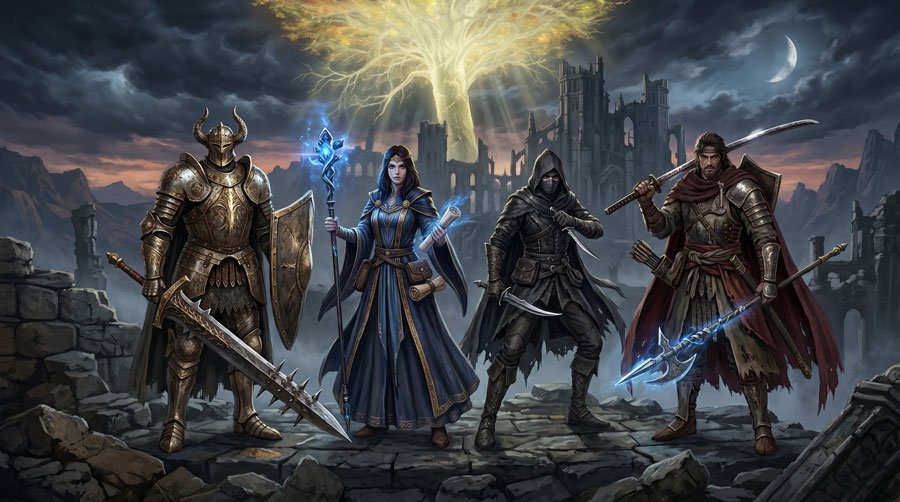
One reason Elden Ring remains endlessly replayable is build variety.
Experimentation Feels Rewarding
Over 50 hours, I experimented with multiple builds:
- Strength build
- Dexterity build
- Magic-focused mage
- Hybrid melee caster
Each build completely changes gameplay.
Respec Options Encourage Creativity
The game allows players to reset stats later, making experimentation less punishing.
That flexibility helps players adapt if they become stuck.
Magic vs Melee – Which Felt Better?
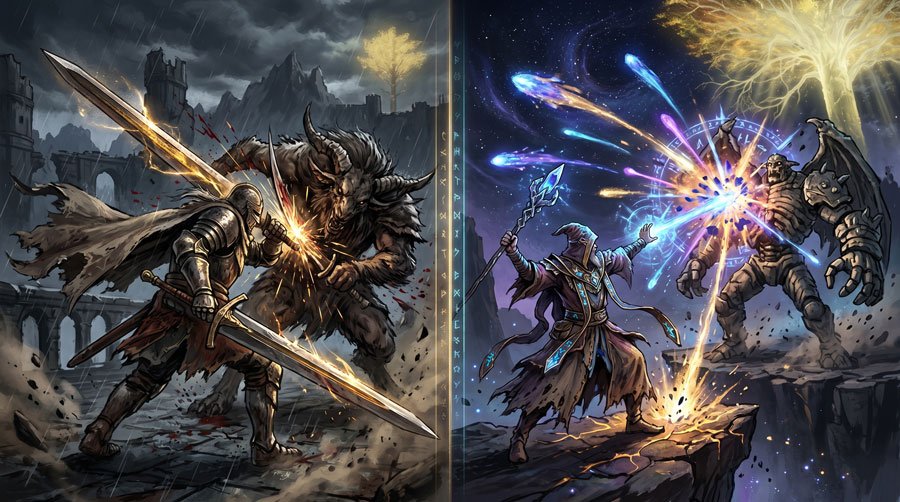
This debate never ends in the Elden Ring community.
Melee Combat Feels Personal
Melee builds create intense encounters where positioning and timing matter constantly.
There’s incredible satisfaction in defeating bosses face-to-face with swords or axes.
Magic Feels Powerful and Strategic
Magic offers flashy spells and ranged safety but requires careful resource management.
Certain spells look visually stunning and can completely reshape difficult fights. Personally, I preferred a hybrid build combining melee weapons with supportive magic.
The Importance of Exploration
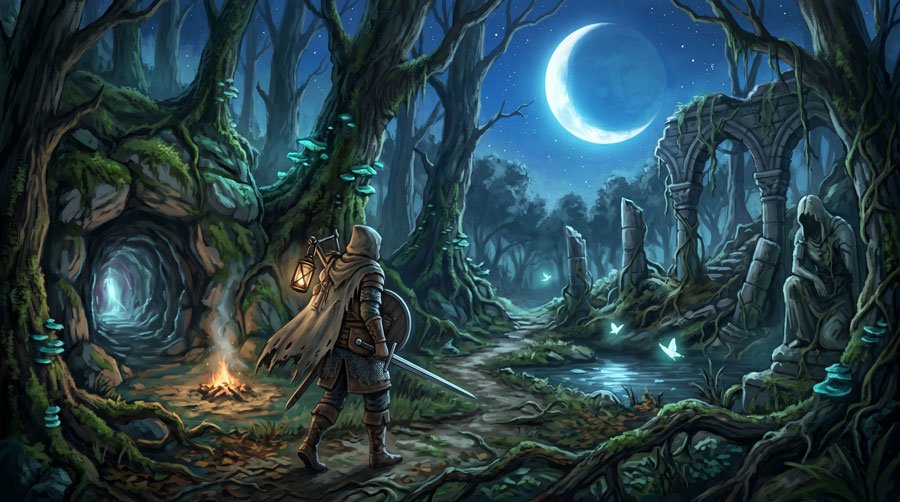
Exploration isn’t optional in Elden Ring — it’s essential.
Exploration Makes You Stronger
If a boss feels impossible, the answer often isn’t “git gud” immediately. Sometimes, the smarter move is exploring elsewhere.
Exploration provides:
- Better weapons
- Upgrade materials
- More levels
- Powerful spells
- Helpful summons
The World Rewards Curiosity
The game constantly rewards players willing to investigate strange locations.
Some of the best gear in the game hides far away from main objectives.
Side Quests That Felt Meaningful
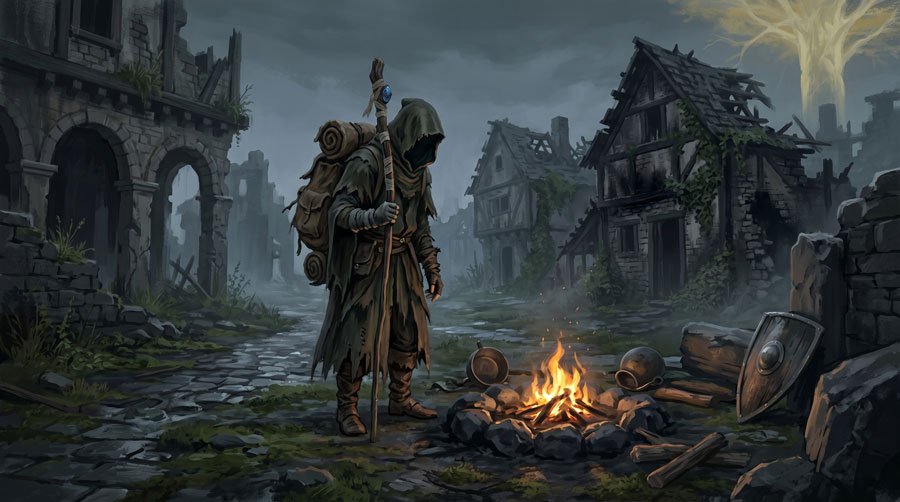
Many RPG side quests feel repetitive, but Elden Ring handles them differently.
NPCs Feel Mysterious
Characters rarely explain themselves fully. Their stories unfold gradually through multiple encounters.
This creates intrigue and emotional investment.
Choices Carry Consequences
Some quests lead to tragic outcomes depending on player actions. Others unlock powerful rewards or alternate endings.
The uncertainty makes every interaction matter.
Weapons That Changed My Journey
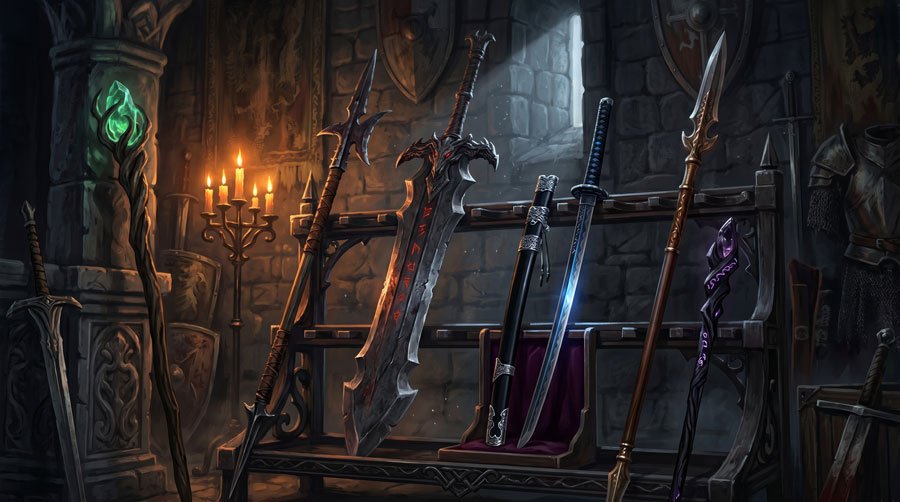
Weapons define your experience in Elden Ring.
Favorite Weapons After 50 Hours
Some standout weapons included:
- Bloodhound’s Fang
- Moonveil Katana
- Greatsword
- Uchigatana
- Rivers of Blood
Each weapon offered unique abilities and combat rhythms.
Ashes of War Add Variety
The Ashes of War system lets players customize weapon skills, adding even more depth. You can transform ordinary weapons into personalized tools of destruction.
How Elden Ring Handles Difficulty
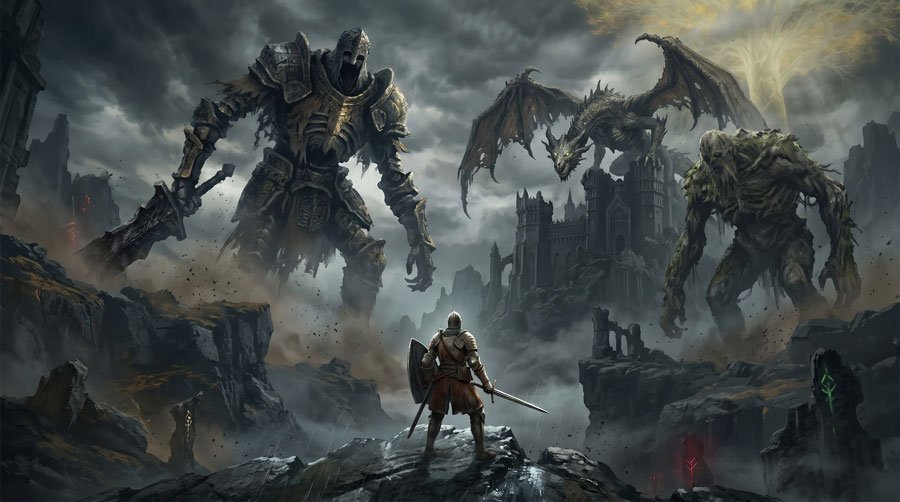
Difficulty in Elden Ring is often misunderstood.
It’s Challenging, Not Impossible
The game provides many tools to overcome obstacles:
- Spirit summons
- Multiplayer help
- Overleveling
- Alternative routes
- Different builds
Players aren’t forced into one solution.
Challenge Creates Meaning
Because success requires effort, victories feel meaningful. Modern games sometimes remove challenge entirely, reducing emotional impact.
Elden Ring embraces struggle as part of the journey.
Visual Design and Atmosphere
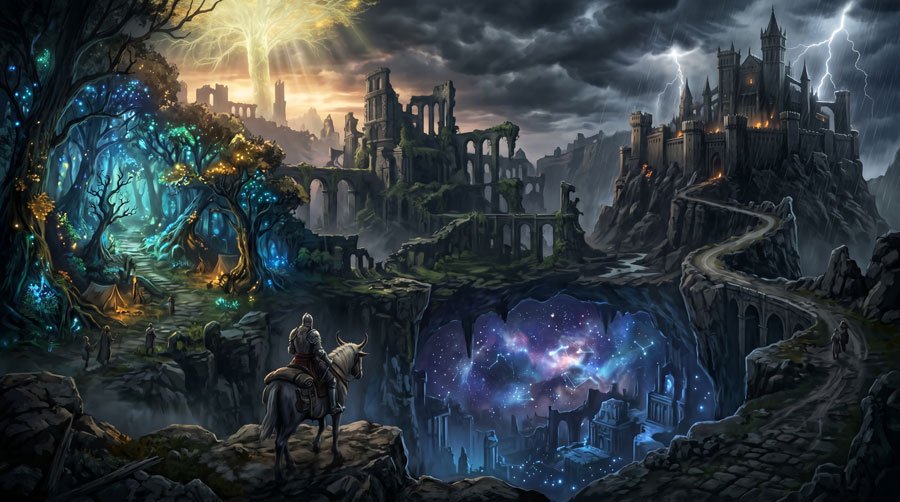
Even after 50 hours, I constantly stopped just to admire the scenery.
Art Direction Over Realism
Elden Ring doesn’t rely solely on graphical power. Its art direction creates unforgettable visuals:
- Golden forests
- Stormy castles
- Underground starscapes
- Rot-infested swamps
- Ancient ruins
Atmosphere Drives Emotion
The atmosphere shifts beautifully between wonder and terror.
One moment you’re admiring sunsets. The next, you’re trapped in horrifying darkness.
The Music and Sound Design
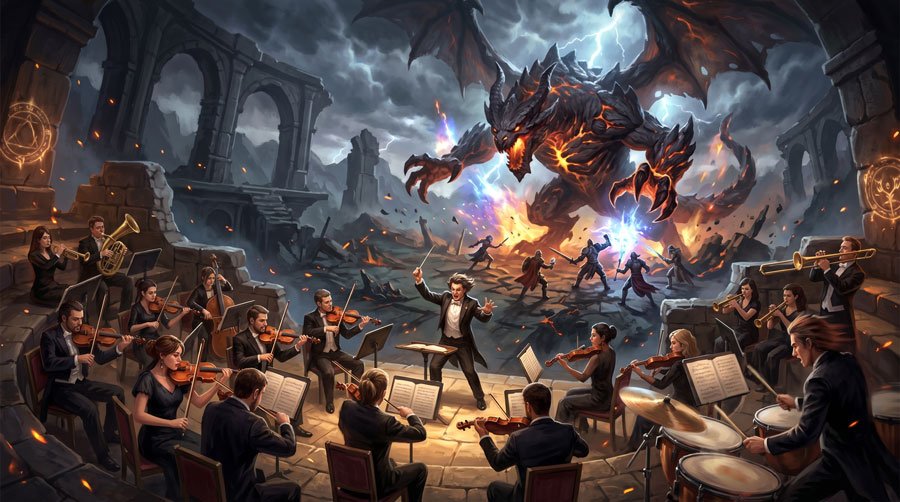
Sound design plays a massive role in immersion.
Boss Music Elevates Encounters
Boss themes create tension and emotion perfectly. Certain fights became unforgettable partly because of the music.
Silence Is Used Brilliantly
Sometimes, Elden Ring removes music entirely, letting ambient sounds create loneliness and dread.
That restraint makes louder moments even more impactful.
Multiplayer and Online Features
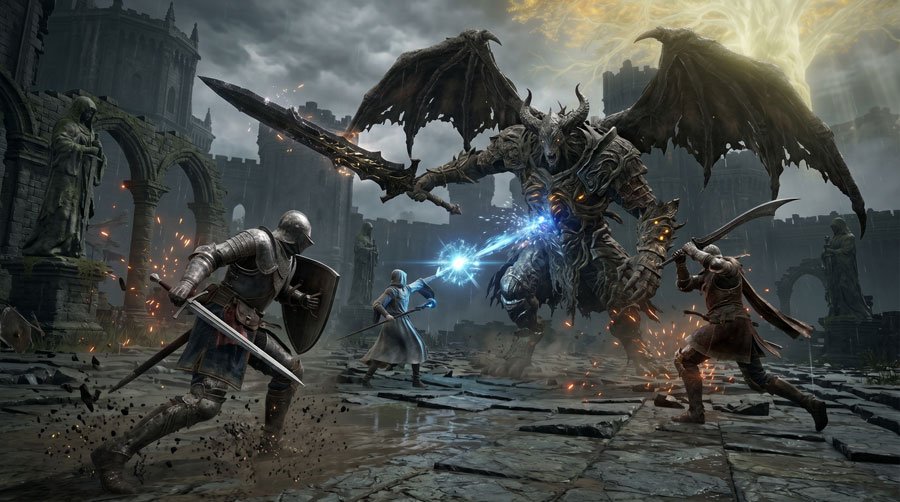
The multiplayer system feels unusual but interesting.
Cooperative Play Helps New Players
Summoning other players can make difficult bosses more manageable.
It also creates memorable shared experiences.
PvP Adds Longevity
Player invasions and duels add unpredictability and replay value for competitive players.
Though frustrating occasionally, they contribute to the game’s unique identity.
Performance and Technical Experience
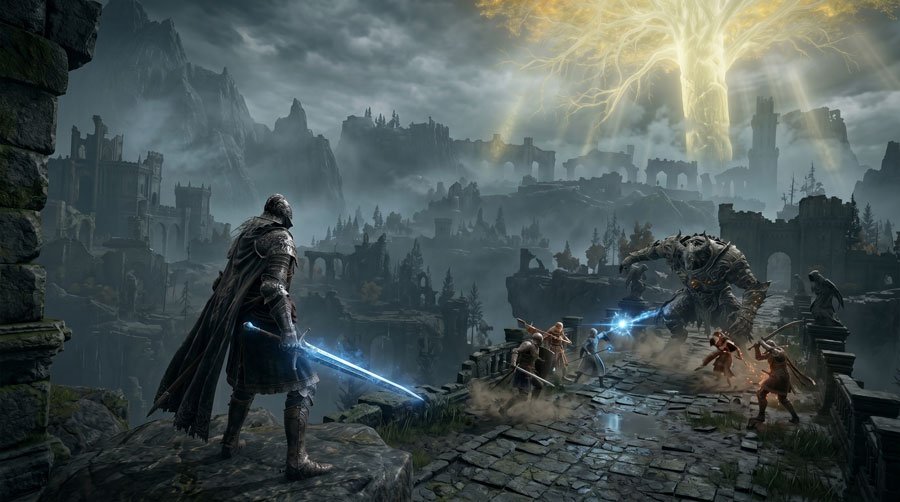
My experience was mostly smooth, though not flawless.
Minor Technical Issues
I occasionally noticed:
- Frame drops
- Texture pop-ins
- Small stutters
However, none seriously damaged the experience.
Stable Gameplay Overall
Despite its massive scale, the game generally performs impressively well.
The Emotional Highs and Lows
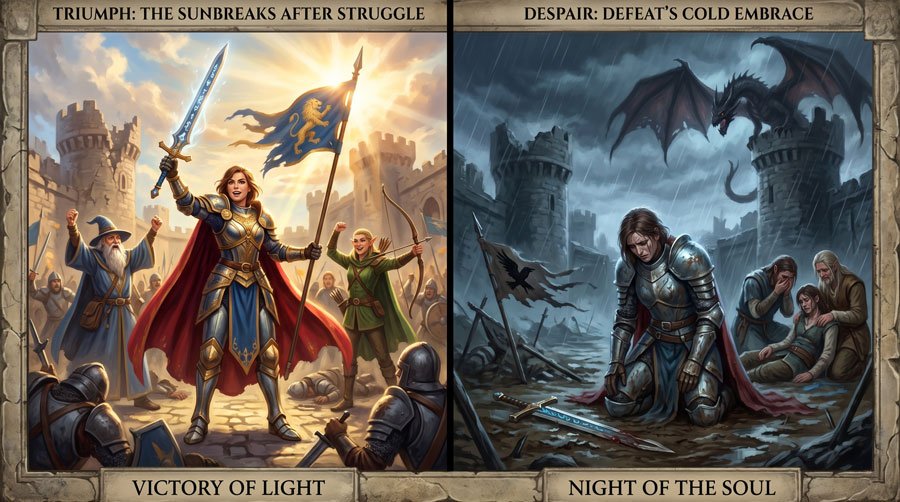
Few games create emotional swings like Elden Ring.
Moments of Triumph
Defeating difficult bosses felt euphoric.
Moments of Despair
Losing massive amounts of runes after careless mistakes felt devastating. Those emotional extremes made the experience unforgettable.
Lessons Learned After 50 Hours
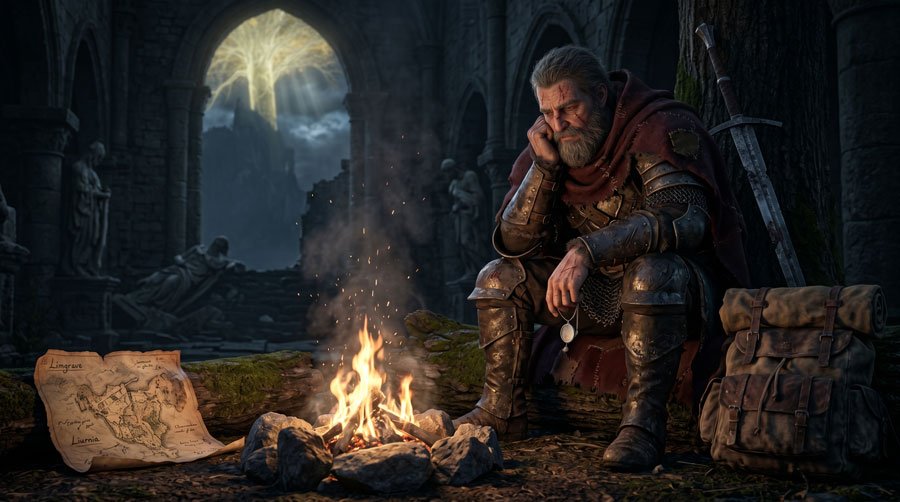
After spending so much time in the Lands Between, several lessons stood out.
Patience Matters
Rushing leads to failure.
Curiosity Is Rewarded
Exploration consistently pays off.
Persistence Wins
Many impossible challenges become manageable through practice and adaptation.
Is Elden Ring Worth Playing in 2026?
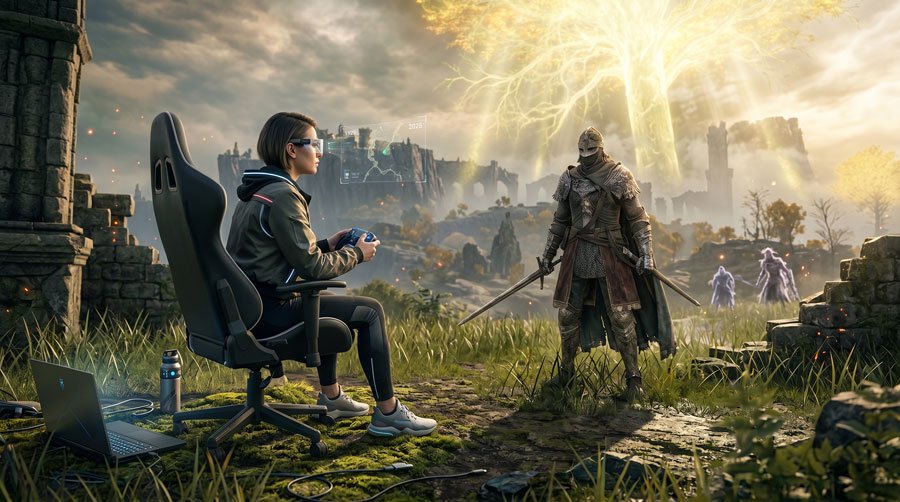
Absolutely.
Why It Still Holds Up
Even years later, Elden Ring remains one of the best RPG experiences available because of:
- Incredible world design
- Deep combat
- Strong replayability
- Rich lore
- Meaningful exploration
Who Should Play It?
You’ll likely love Elden Ring if you enjoy:
- Challenging gameplay
- Open-world exploration
- Deep RPG systems
- Dark fantasy settings
- Rewarding progression
However, players seeking casual experiences may find the difficulty overwhelming.
Final Verdict
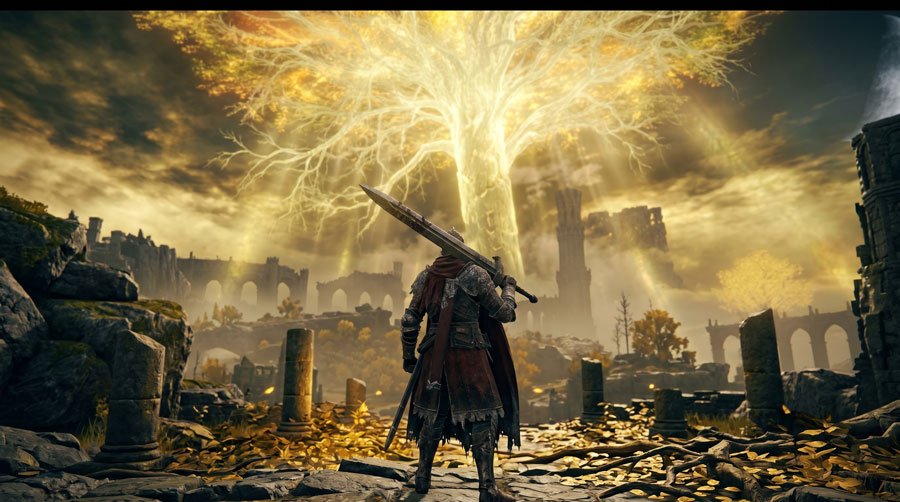
After 50 hours, I understand why Elden Ring became such a cultural phenomenon.
It’s not just another open-world RPG. It’s a game that trusts players, challenges them, and rewards persistence in ways few modern titles dare to attempt.
My honest journey to the Erdtree was filled with frustration, awe, excitement, fear, and triumph. Some moments nearly broke me. Others reminded me why I fell in love with gaming in the first place.
Elden Ring isn’t perfect, but its ambition, creativity, and emotional impact make it one of the greatest RPGs ever created.
If you’re willing to embrace difficulty and lose yourself in a mysterious world, the Lands Between will leave a lasting impression on you too. For more details about the game, visit Bandai Namco Entertainment Official Website.
FAQs
1. How long does it take to finish Elden Ring?
A standard playthrough can take 50–100 hours depending on exploration and side content.
2. Is Elden Ring too hard for beginners?
It can feel overwhelming initially, but patience and exploration make the experience manageable even for newcomers.
3. What is the best class in Elden Ring?
There’s no single best class. Samurai and Vagabond are popular beginner-friendly options.
4. Can you play Elden Ring solo?
Yes. The entire game is fully playable solo, though multiplayer assistance is available.
5. Is Elden Ring worth buying in 2026?
Absolutely. Its gameplay, world design, and replayability still outperform many newer RPGs.
6. What makes Elden Ring unique?
Its combination of open-world freedom, challenging combat, environmental storytelling, and player-driven exploration makes it stand out.