

Introduction: A Game That Refuses to Let Go
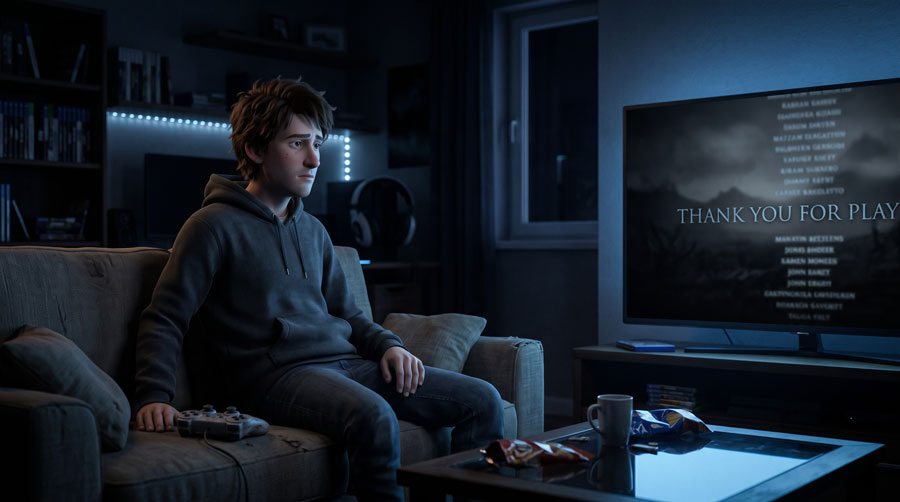
There’s a specific kind of quiet that settles in after you finish a game that actually meant something. Not the satisfaction of clearing a checklist, not the relief of a long campaign finally ending — something closer to mourning. That’s exactly where I found myself after the credits rolled on Clair Obscur: Expedition 33. I put the controller down, sat in the dark for a few minutes, and realized I wasn’t ready to talk about anything else.
Weeks later, I’m still not.
This is one of those rare releases that doesn’t just entertain you for thirty hours and fade into the backlog. It rearranges something. You finish it, you go make dinner, you scroll your phone, and somewhere in the middle of an unrelated thought, a scene from the game resurfaces uninvited. A character’s voice. A line of dialogue. That number ticking down on the monolith. It follows you around like a song stuck in your head, except the song is a story about grief, art, and the impossible weight of love when time is running out.
If you’ve played it, you already know what I mean. If you haven’t, I want to walk you through exactly why this debut RPG from a small French studio has become one of the most talked-about games of the year — and why, long after finishing it, I genuinely can’t stop thinking about it.
What Makes Expedition 33 Different From Every Other RPG
It’s easy to throw around phrases like “instant classic” the moment a new game gets good reviews. Most of the time, it’s hype that fades within a month. Expedition 33 is different, and the reason isn’t really about any single feature — it’s about how completely the game commits to its own identity instead of chasing trends.
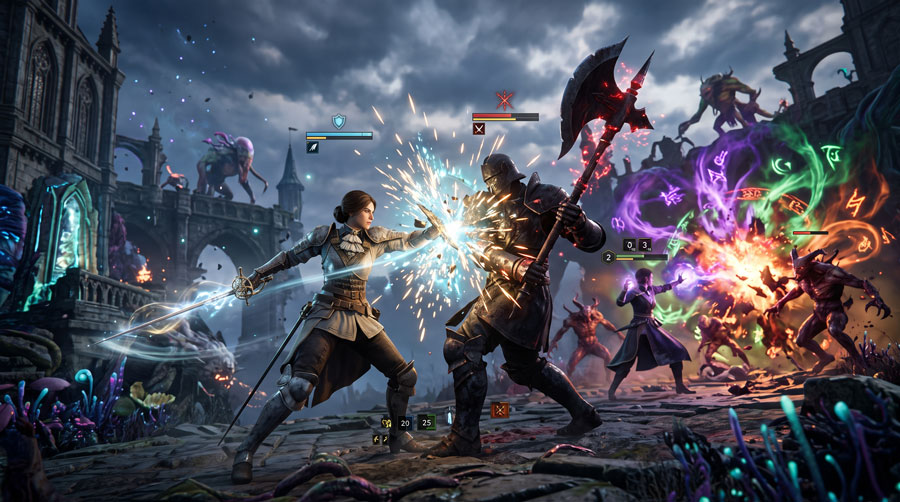
This is a turn-based RPG, which on paper sounds almost old-fashioned in an era dominated by open-world action games. But the developers didn’t just dust off a genre from the 90s. They rebuilt it from the ground up with real-time dodging, parrying, and countering layered directly into the turn-based structure. You’re not just selecting an attack and watching numbers fly off enemies. You’re reading animations, timing your inputs, and reacting with the kind of precision usually reserved for action games. It’s the rare hybrid that genuinely respects both halves of what it’s borrowing from.
The other thing that sets it apart is restraint. Most big-budget RPGs today stretch themselves across a hundred hours of side content, padding, and busywork because length has become a marketing point. Expedition 33 does the opposite. It tells a tightly focused story in roughly twenty-five to thirty hours and trusts that a shorter, denser experience will hit harder than a sprawling one. That confidence — knowing exactly what story you want to tell and refusing to dilute it — is rare, and it’s a huge part of why the game lingers.
A Debut Studio Punching Far Above Its Weight
What makes this even more remarkable is the size of the team behind it. Sandfall Interactive is a first-time studio, working with a relatively small core team, yet the final product looks and sounds like something from a major publisher with triple the budget. The scale of the world, the quality of the voice acting, the visual polish — none of it reads like a debut. It plays like a studio that has been making RPGs for a decade, except every choice somehow still feels fresh.
Familiar Influences, Original Execution
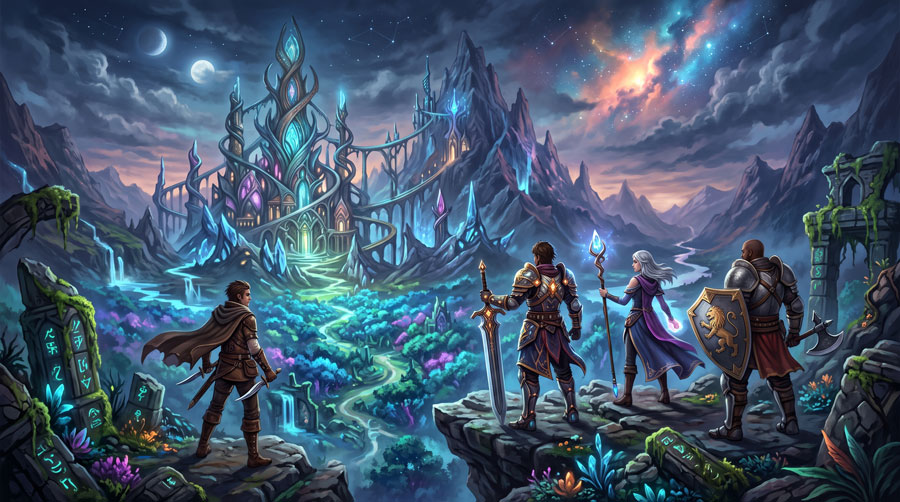
You can feel echoes of Final Fantasy, Persona, and even Dark Souls-style resource management throughout the game, but it never feels derivative. It’s closer to a love letter to decades of JRPG history, written by people who clearly grew up adoring the genre and wanted to push it somewhere new rather than simply replicate what came before.
The World of Lumière: Beauty Built on Borrowed Time
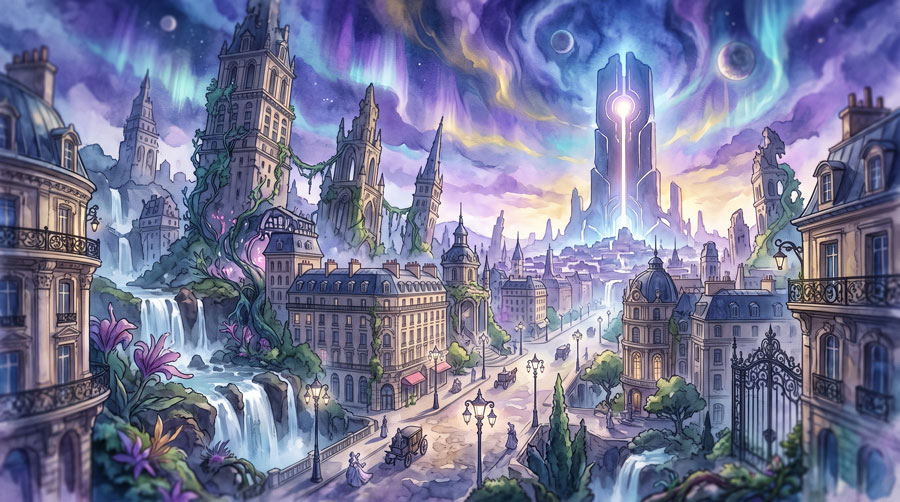
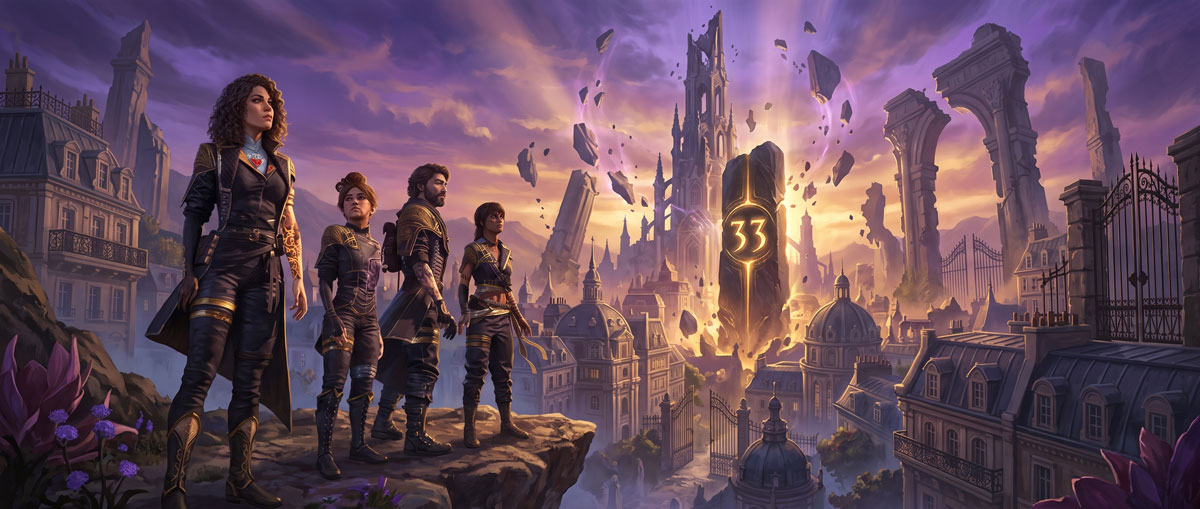
Every great RPG needs a world worth getting lost in, and Lumière is one of the most striking settings I’ve explored in years. It’s a city built from the broken pieces of a Belle Époque-era Paris, twisted and reshaped by a catastrophic event that shattered the continent decades before the story begins. Familiar landmarks appear warped into something unfamiliar — towers stretching at impossible angles, monuments half-swallowed by an uncanny, dreamlike landscape.
The art direction leans into a painterly, almost watercolor aesthetic that makes every location feel like it was lifted from a gallery wall rather than rendered in an engine. There’s a deliberate tension between the world’s overwhelming beauty and the despair baked into its premise: this is a place where humanity is quite literally running out of time, and that contrast between gorgeous visuals and quiet dread defines the entire experience.
Exploring Beyond the Main Path
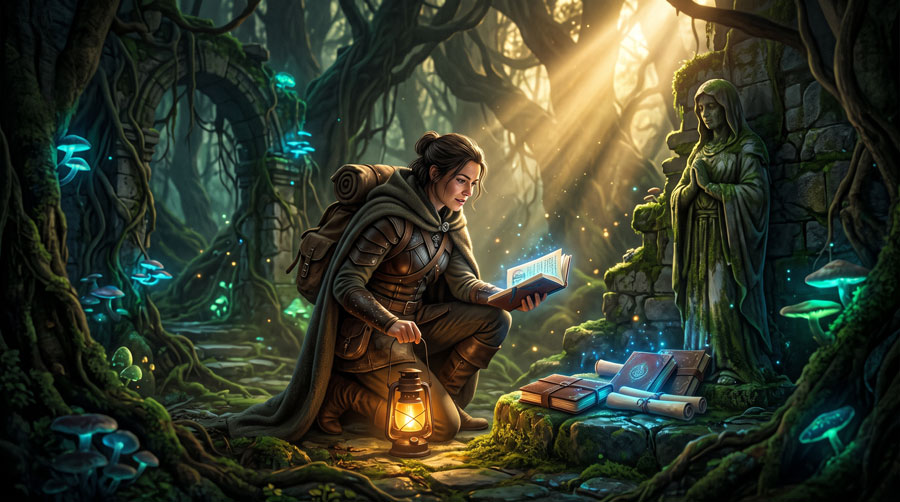
While the main story moves with purpose and never lingers too long in any one place, the game rewards players who wander off course. Collectible expedition journals scattered throughout the world reveal the fates of previous, failed expeditions, slowly building out a richer picture of just how long this struggle has been going on and how many people came before you. For lore lovers, these optional details add weight to nearly every step you take.
A World That Feels Lived-In, Not Just Decorated
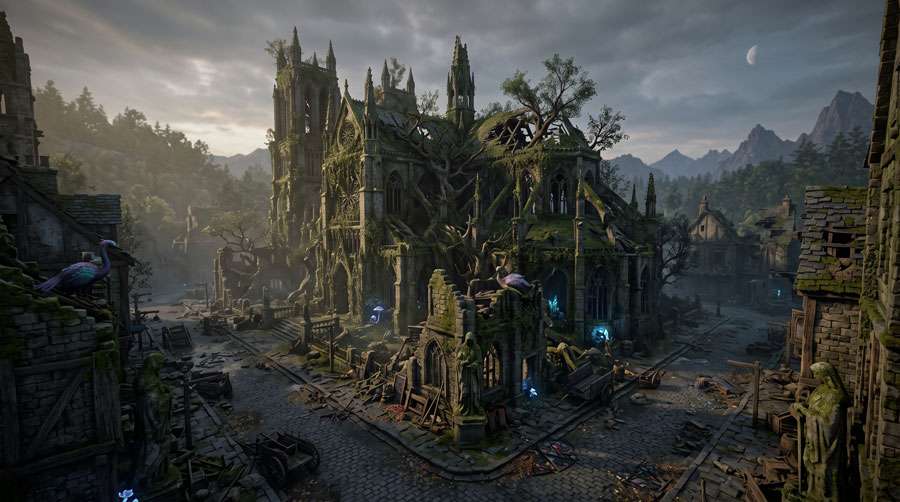
What struck me most is how the environment design always serves the story rather than existing for spectacle alone. Every ruined cathedral, every flooded street, every fragment of a forgotten city tells you something about loss without a single line of dialogue. It’s environmental storytelling at its most effective — quiet, confident, and never over-explained.
A Story That Trusts You With Grief
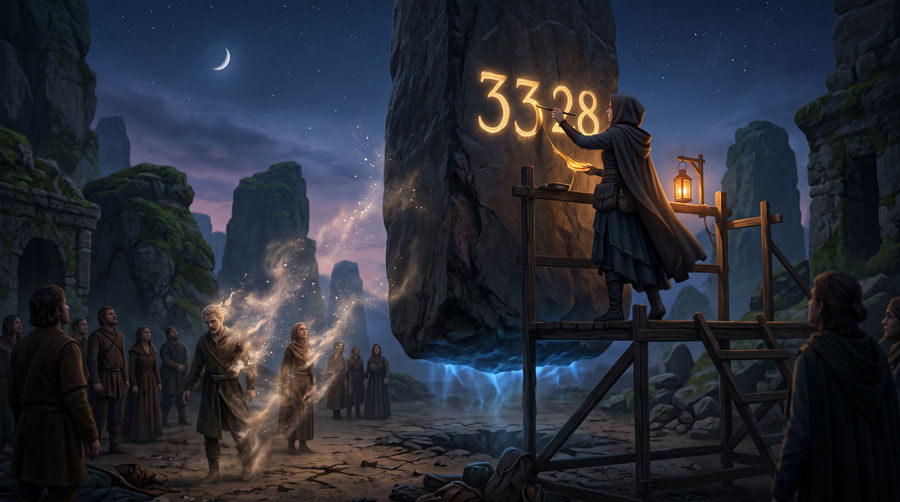
This is where Expedition 33 separates itself from almost everything else releasing in the genre right now. The central premise is brutally simple and devastating: once a year, a mysterious entity known as the Paintress wakes, paints a number on a distant monolith, and everyone who has reached that age instantly turns to ash and disappears. The number ticks down with each passing year, and humanity edges closer to extinction.
That’s not a metaphor dressed up for flavor text — it’s the literal mechanic driving the entire plot, and the game uses it to explore mortality, grief, and the strange comfort people find in art when facing the inevitable with a level of maturity that’s genuinely rare in the medium.
Themes That Don’t Offer Easy Comfort
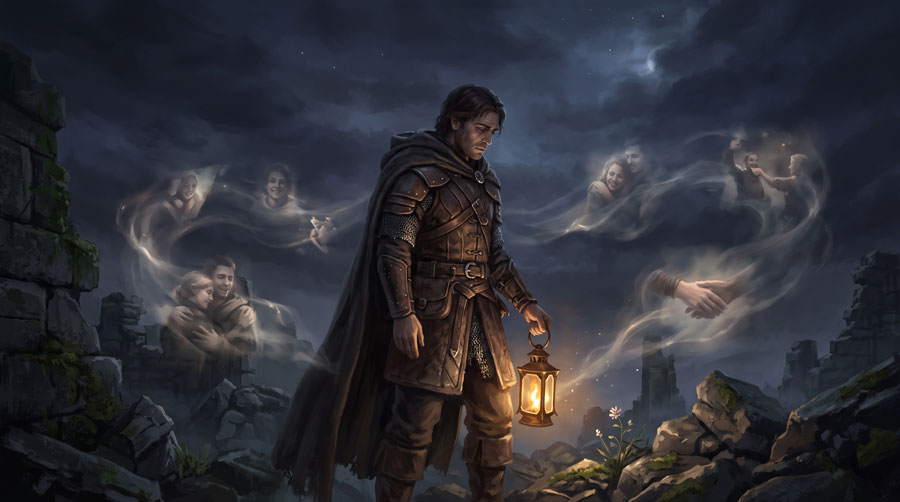
What I respect most is that the story refuses to hand you neat answers. It asks hard questions about what we owe the people who come after us, how to keep moving forward when hope feels irrational, and whether art and beauty can mean anything in the face of loss. The developers themselves have openly admitted they didn’t all agree internally on how to interpret the game’s own ending — and that uncertainty bleeds into the writing in the best possible way. It doesn’t feel manipulative or engineered for tears. It feels honest.
A Story Told Without Hand-Holding
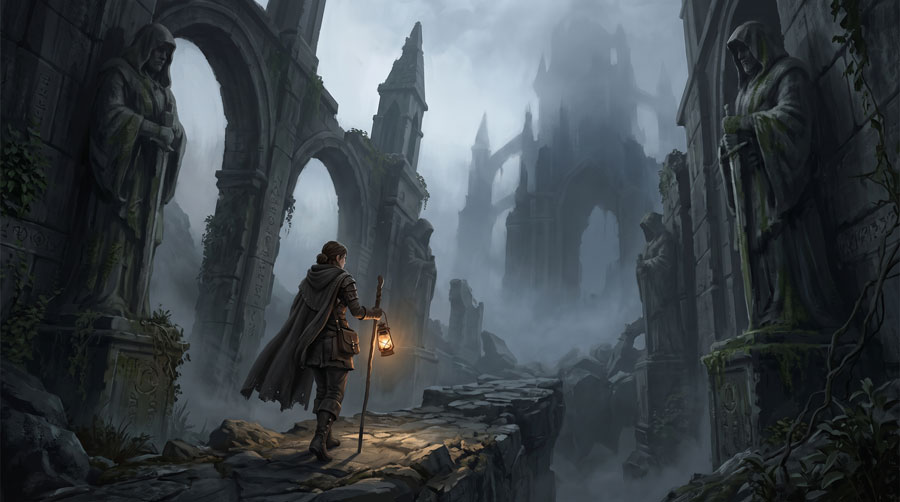
The narrative also trusts its audience from the very first moments. There’s no lengthy opening crawl explaining the rules of this universe. You’re dropped into the world with minimal context, left to piece things together as you go, and that initial confusion quickly transforms into one of the most compelling slow-burn mysteries in recent gaming memory.
The Cast That Feels Like People, Not Tropes
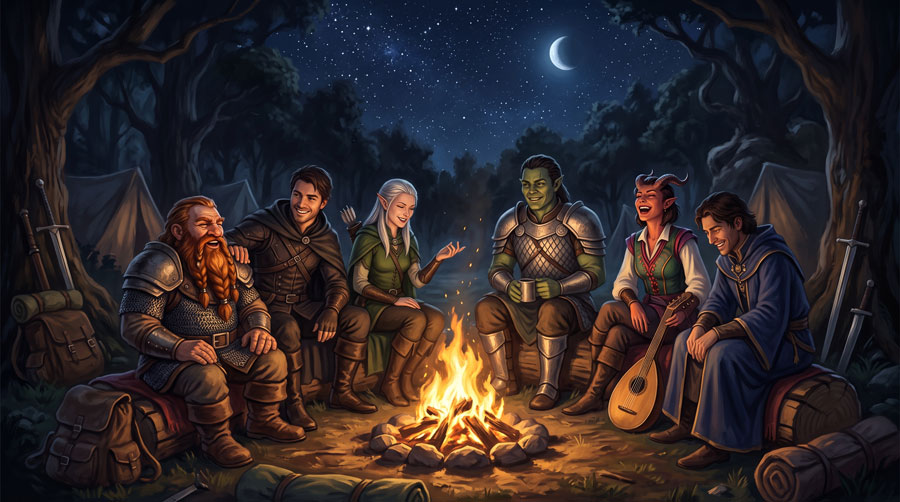
A heavy story only works if you care about the people living through it, and this is where Expedition 33 absolutely excels. The party is small and deliberately focused rather than sprawling, and every single member gets genuine space to breathe.
Characters Built on Contradiction, Not Archetype
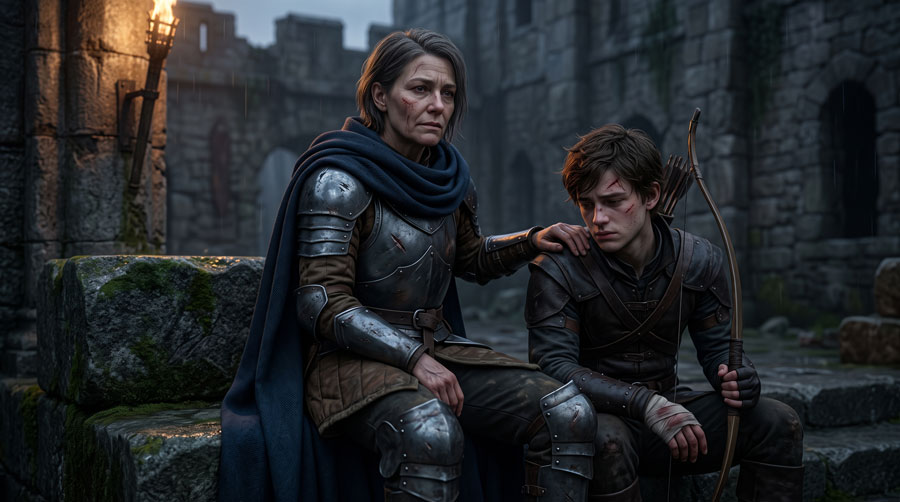
What stands out most is how human everyone feels. These aren’t perfect heroes of destiny delivering inspirational speeches at every turn. They’re flawed, sometimes hypocritical, occasionally self-destructive in ways that make complete sense given what they’re facing. You understand their bad decisions even when you wish they’d choose differently, and that emotional honesty is what makes them so easy to attach to. Conversations between party members feel like real exchanges, with genuine give and take, rather than characters simply waiting their turn to deliver exposition.
A Voice Cast That Elevates Every Scene
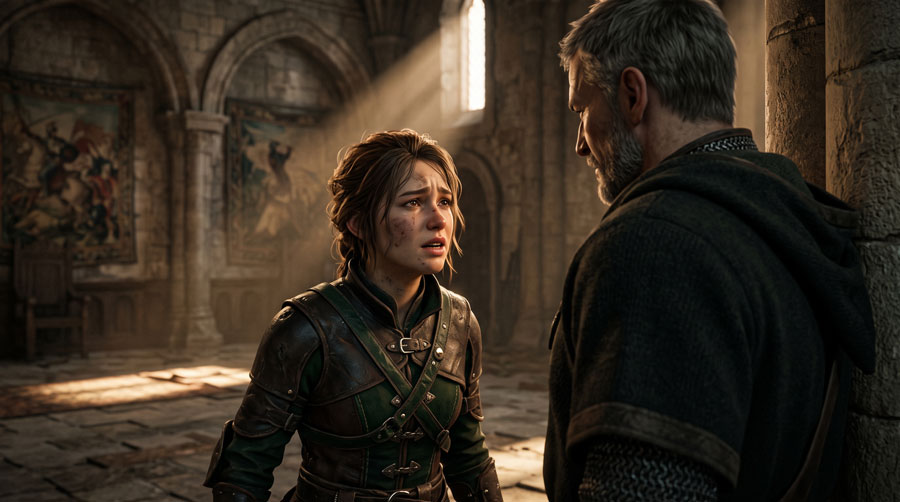
The performances behind these characters deserve enormous credit. The cast includes well-known names from major film and game franchises, and the direction is consistently sharp across the board. Motion capture and vocal performance work together to convey nuance that pure dialogue alone could never achieve — a hesitation, a forced smile, a flicker of doubt before someone commits to a decision. It elevates the writing into something closer to prestige television than a typical game script.
Friendship as the Emotional Anchor
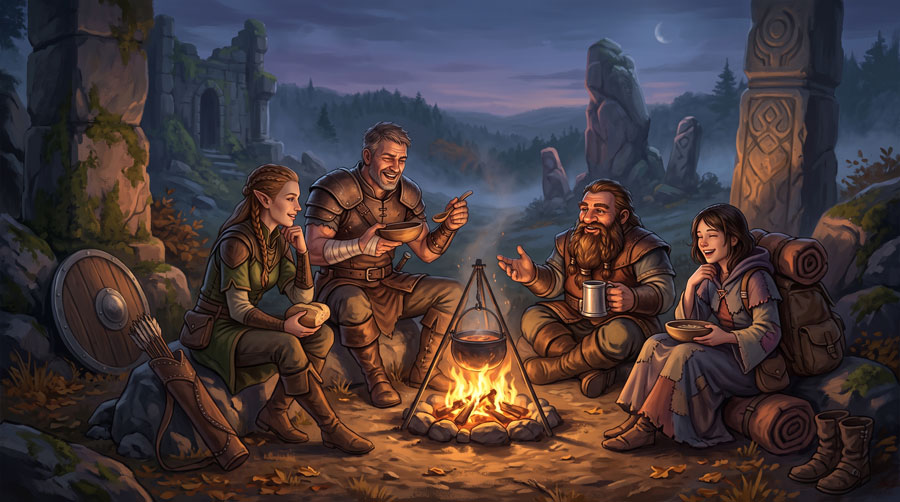
Even amid the heaviness, there’s real warmth here. The camaraderie between party members provides moments of levity and comfort that keep the story from becoming an unrelenting slog through despair. Bickering, inside jokes, and small acts of kindness around the campfire give the cast a lived-in chemistry that makes the eventual emotional payoffs land that much harder.
Combat That Makes You Earn Every Victory
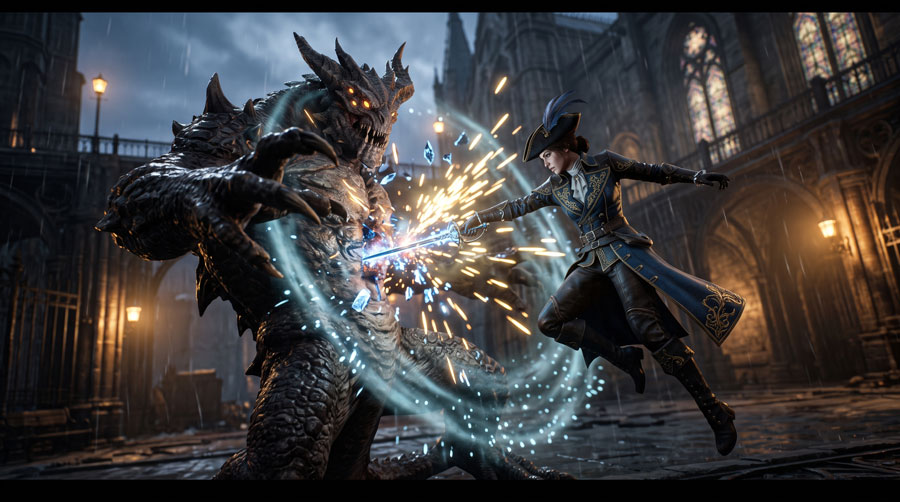
Story aside, this game simply plays beautifully, and that matters just as much for why it sticks with you. The combat system blends traditional turn-based menu selection with real-time reflexes, and the result feels more alive than almost any other RPG battle system I’ve used in years.
Dodge, Parry, Counter — Precision Over Passivity
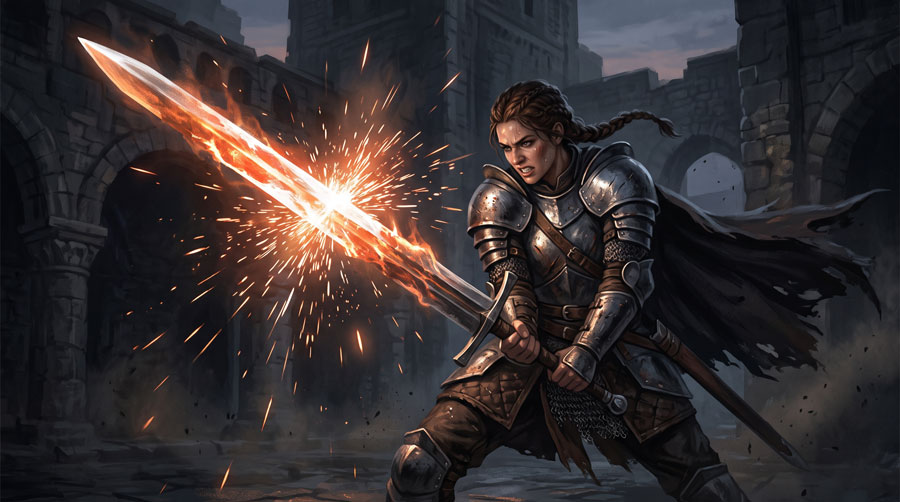
Instead of simply selecting an attack and watching the outcome unfold passively, you’re actively engaged throughout enemy turns too. Dodging and parrying incoming attacks in real time isn’t optional flavor — it’s essential to survival, even on easier difficulty settings. Successfully countering an attack rewards you with explosive animations and massive damage spikes, creating a rhythm-game-like satisfaction every time you nail the timing.
Deep Customization Without Overwhelming Complexity
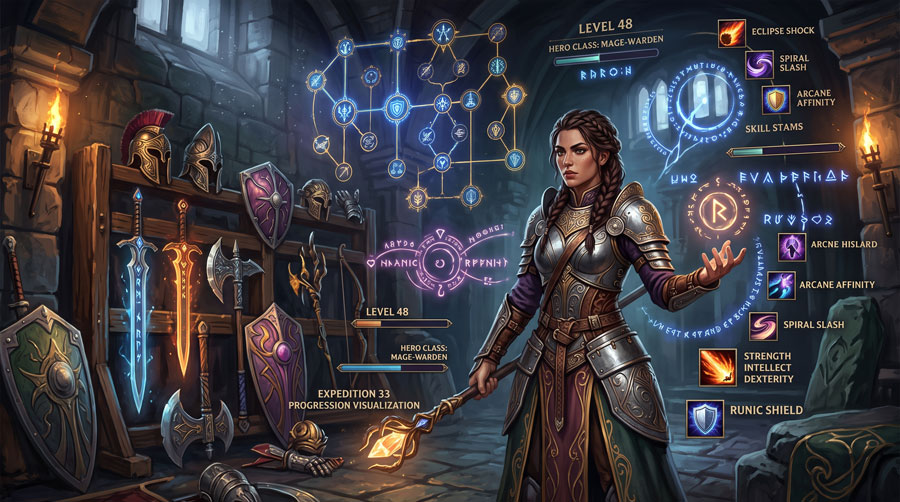
Character builds revolve around weapons, stat allocation, and a system of equippable abilities that can eventually be unlocked and shared across your entire roster once mastered through repeated use. It strikes a careful balance — there’s enough depth here to satisfy players who love optimizing builds, without forcing casual players to manage an overwhelming inventory of redundant gear.
A Genuinely Rewarding Endgame
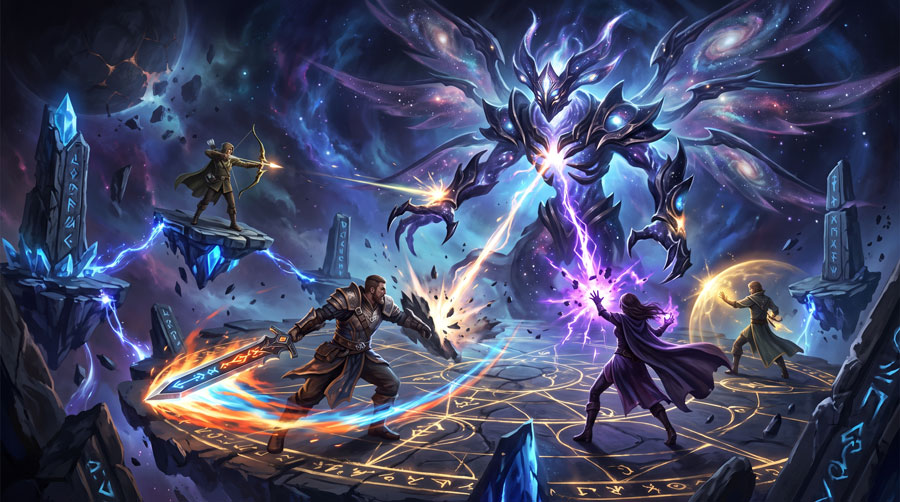
For players who want more once the credits roll, the postgame content is substantial. Optional superbosses and advanced build challenges effectively open up an entirely new layer of gameplay focused on pushing damage numbers and mechanical mastery to their absolute limits, giving completionists a real reason to stick around long after the main story wraps.
The Soundtrack That Refuses to Leave Your Head
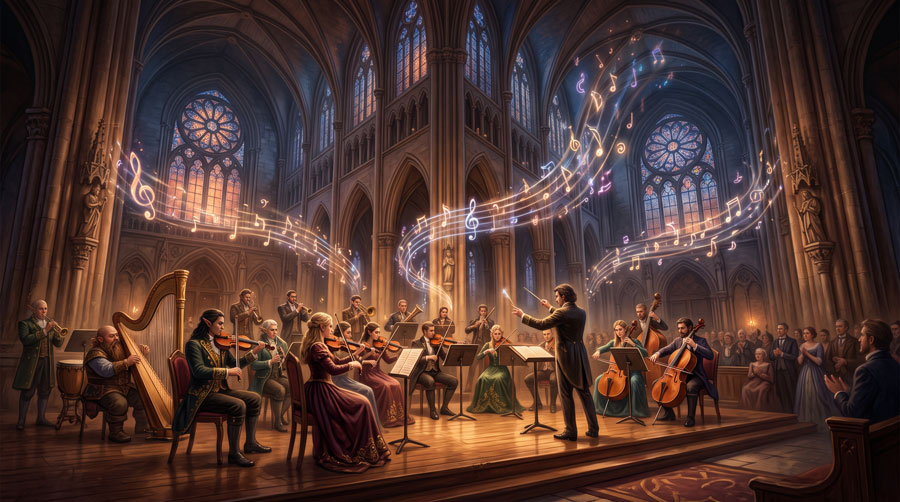
It’s rare for a game’s score to get singled out as a standout feature on its own, but Expedition 33 earns that distinction easily. The soundtrack blends orchestral arrangements with haunting vocal performances, often leaning into operatic, soaring melodies that perfectly mirror the story’s blend of beauty and sorrow.
Music as Storytelling, Not Just Background Noise
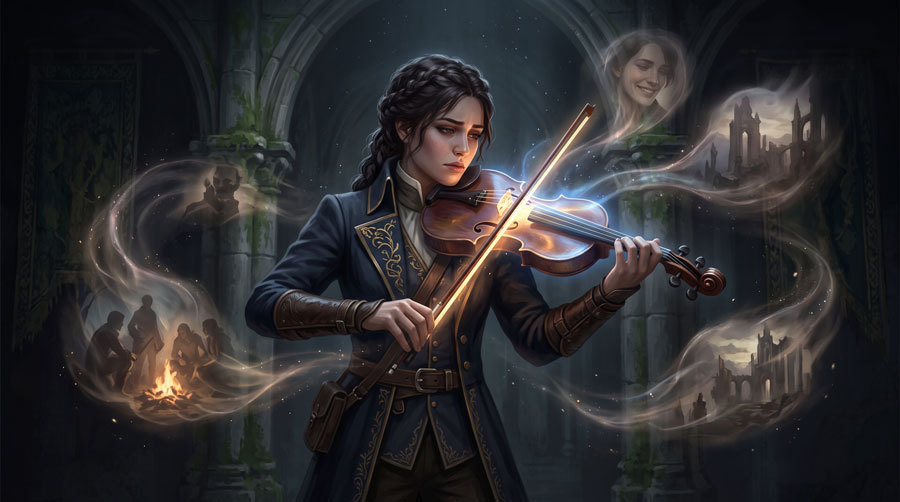
The score doesn’t just accompany scenes — it shapes how you feel about them. Quiet, intimate moments are underscored with delicate, restrained instrumentation, while pivotal story beats swell into something genuinely operatic, complete with sweeping vocals that linger long after a scene ends. It’s the kind of soundtrack people seek out separately, long after finishing the game, simply to sit with those emotions again.
A Score That Earned Industry-Wide Recognition
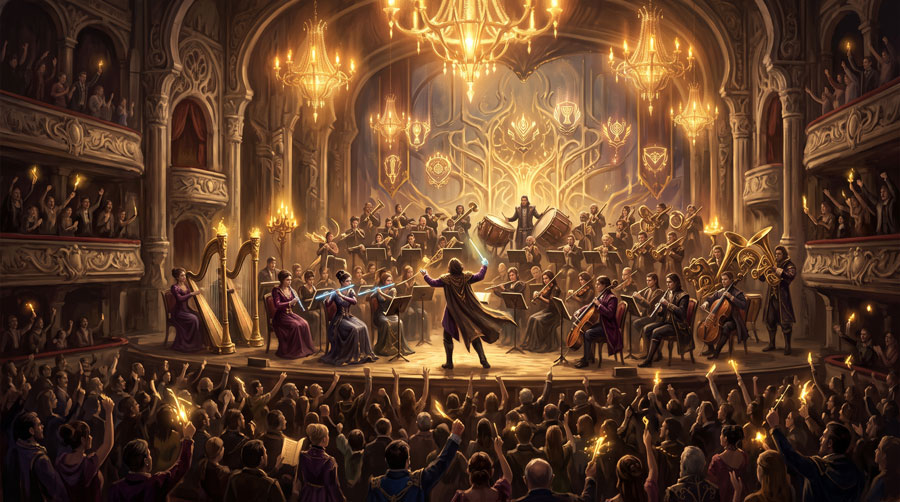
The strength of the music hasn’t gone unnoticed. It’s been a recurring highlight across critic reviews and award ceremonies alike, frequently mentioned in the same breath as some of the most acclaimed video game scores of the past decade. For a debut studio, delivering a soundtrack of this caliber alongside everything else the game accomplishes is an extraordinary achievement.
Why the Ending Is Still Being Argued About Online
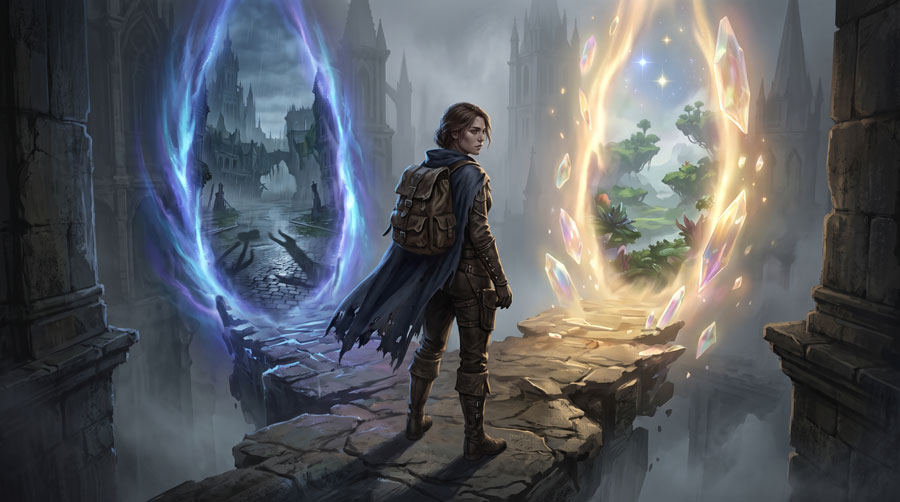
If you’ve spent any time in online communities since finishing this game, you’ve probably noticed the same thing I have: people cannot stop debating the ending. Forums, comment sections, and discussion threads are still actively dissecting what it all means weeks and months after release.
Multiple Valid Interpretations, By Design
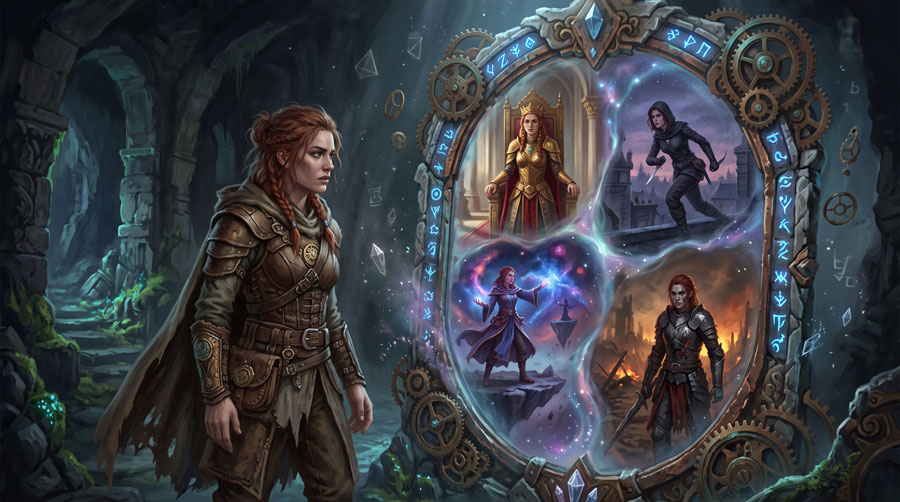
What’s fascinating is that this ambiguity wasn’t an accident or a writing misstep. The development team has publicly acknowledged that they didn’t fully agree among themselves on how to interpret their own conclusion. Rather than forcing a single “correct” reading onto players, the story leaves enough room for genuinely different emotional takeaways depending on what themes resonated most with you personally.
Why Ambiguity Works Here
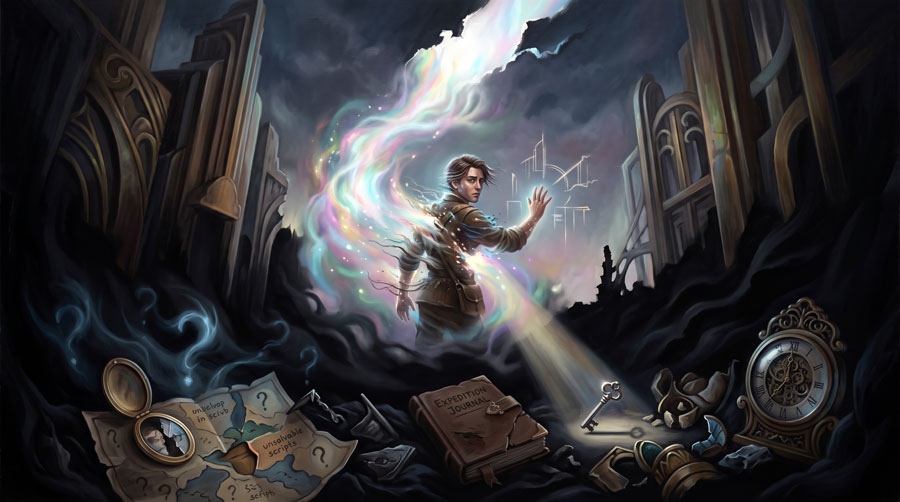
In most games, an unclear ending feels like a cop-out — a failure to commit. Here, it works because the entire story has been building toward questions without tidy answers from the very beginning. Asking players to sit with discomfort and interpret meaning for themselves is consistent with everything the narrative has already asked of you. It respects your intelligence rather than spoon-feeding closure.
This is exactly the kind of unresolved emotional weight that keeps a game rattling around in your head long after you’ve put the controller down — you keep replaying scenes in your mind, testing different interpretations, trying to land on how you personally feel about what just happened.
Why a 30-Hour Game Outlasted My 100-Hour Favorites
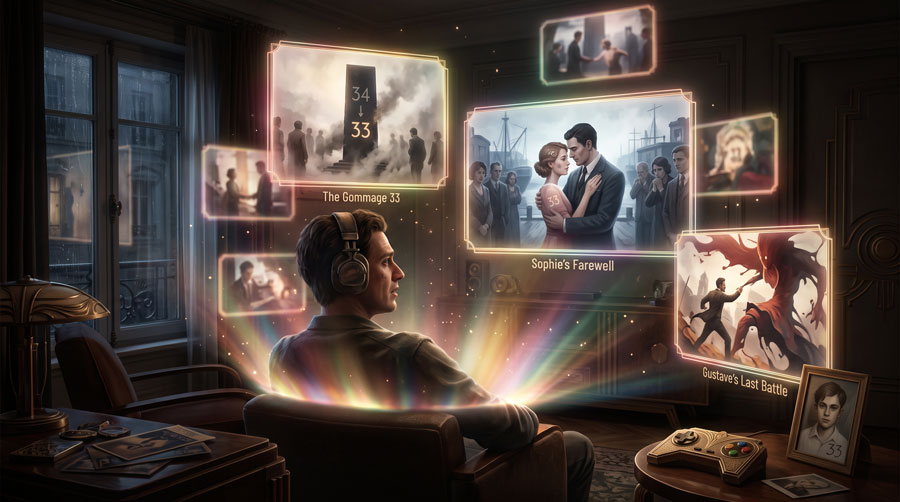
I’ll admit I went into this expecting to be a little disappointed by the runtime. As someone who usually gravitates toward sprawling, hundred-hour RPG epics, a roughly twenty-five to thirty-hour campaign initially sounded almost too brief.
Every Scene Earns Its Place
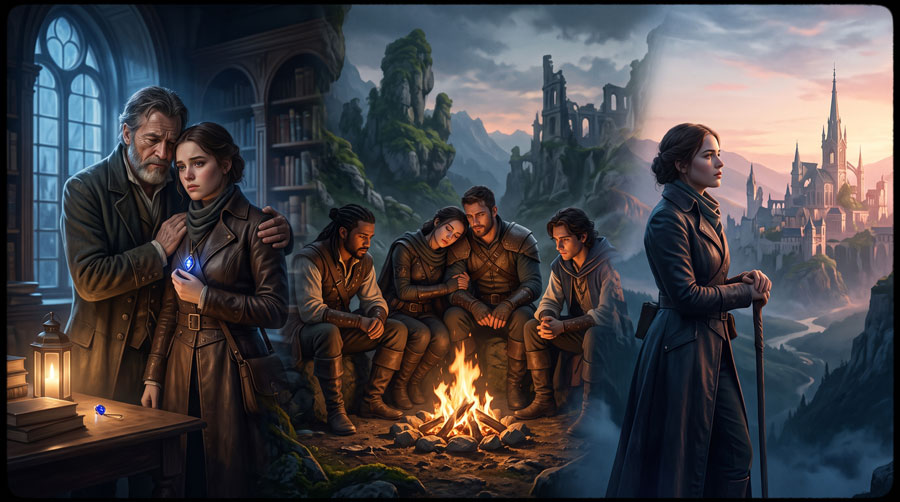
That concern disappeared almost immediately. The game moves from moment to moment with remarkable confidence, never lingering on filler content or padding out its runtime with unnecessary fetch quests. Every interaction feels deliberate. There’s no sense of wasted space, no extended lulls where you’re simply going through the motions waiting for the next meaningful beat to arrive.
Quality Over Quantity, Proven
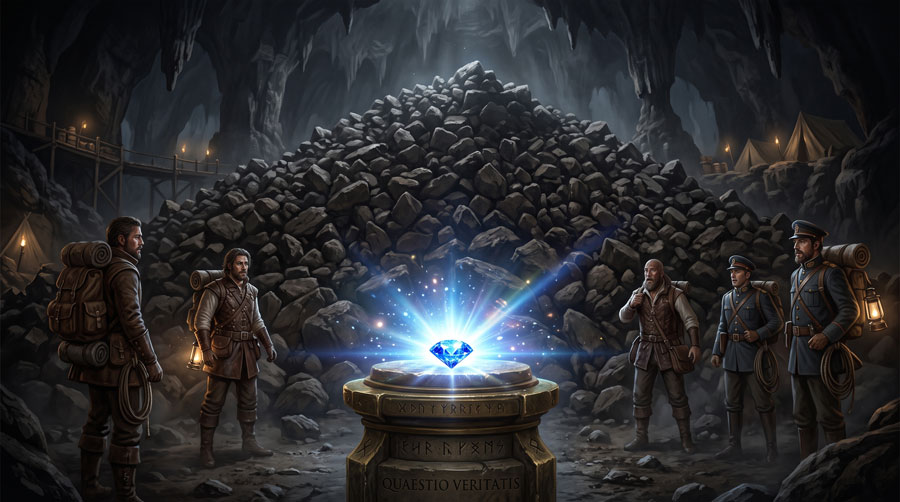
This pacing philosophy ends up being one of the smartest design decisions in the entire game. A tighter, more focused story told well will almost always resonate more deeply than a bloated one stretched thin to hit an arbitrary hour count. By the time the credits rolled, I genuinely didn’t want it to end — not because there wasn’t enough content, but because I’d grown so attached to these characters and this world that I wasn’t ready to say goodbye. That’s a much harder feeling to engineer than simply adding more hours, and it’s a huge part of why this game has stayed with me in a way longer, more padded RPGs rarely do.
What Expedition 33’s Success Means for the Future of RPGs
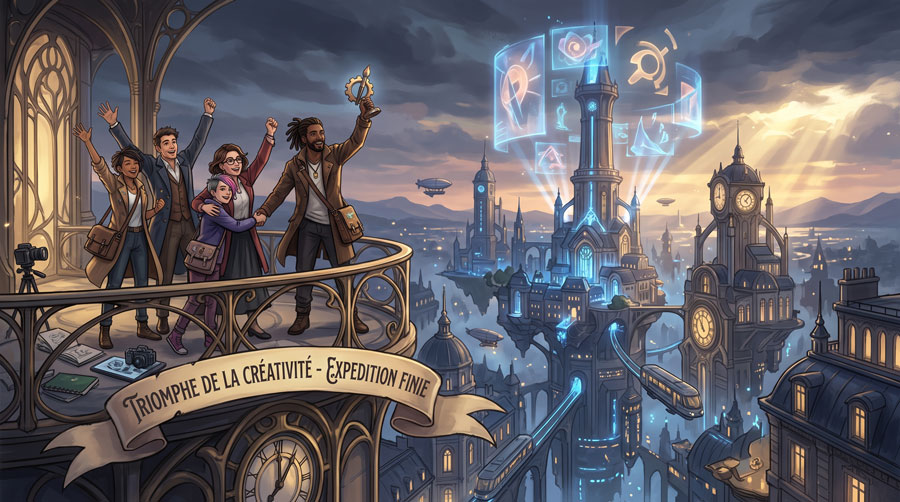
It’s worth stepping back to appreciate just how significant this game’s reception has been for the industry as a whole. Clair Obscur: Expedition 33 won best independent game during The Game Awards preshow, beating out acclaimed sequels, and was already considered the favorite to win the show’s grand prize before the ceremony even began. It went on to take home the night’s top honor as well, also earning wins for Best Independent Game, Best Narrative, and Best Art Direction, with star Jennifer English winning Best Performance for her role in the game.
The recognition didn’t stop at one ceremony, either. The game also claimed Ultimate Game of the Year at the Golden Joystick Awards, a result decided entirely by player votes rather than critics, capping off what had already been described as a phenomenal year for the title.
A Win for Smaller, Bolder Studios
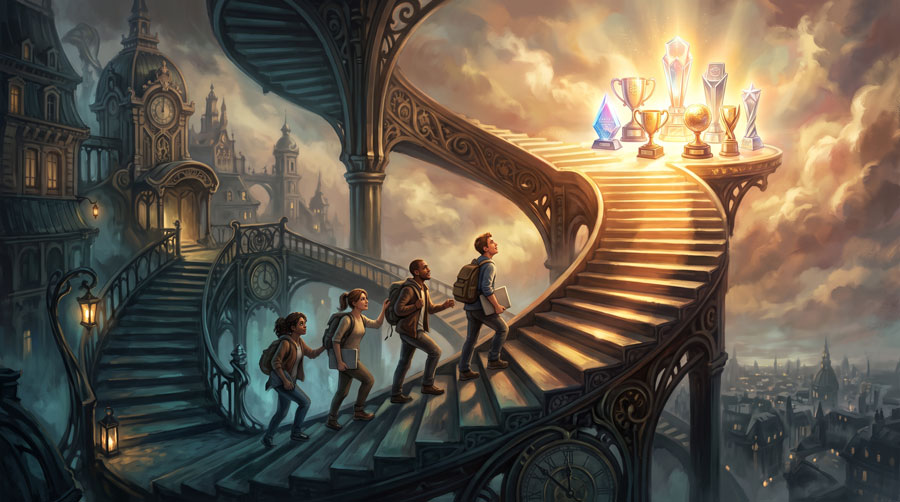
Half of the Game of the Year nominees that year were independent titles, reflecting a broader shift toward smaller studios competing directly with massive publisher-backed productions. That a relatively small, first-time team could produce something that not only competes with, but outright surpasses many AAA releases is genuinely inspiring for the entire industry. It signals that ambition, focus, and creative confidence can matter more than budget size when it comes to crafting something truly memorable.
Setting a New Bar for Turn-Based RPGs
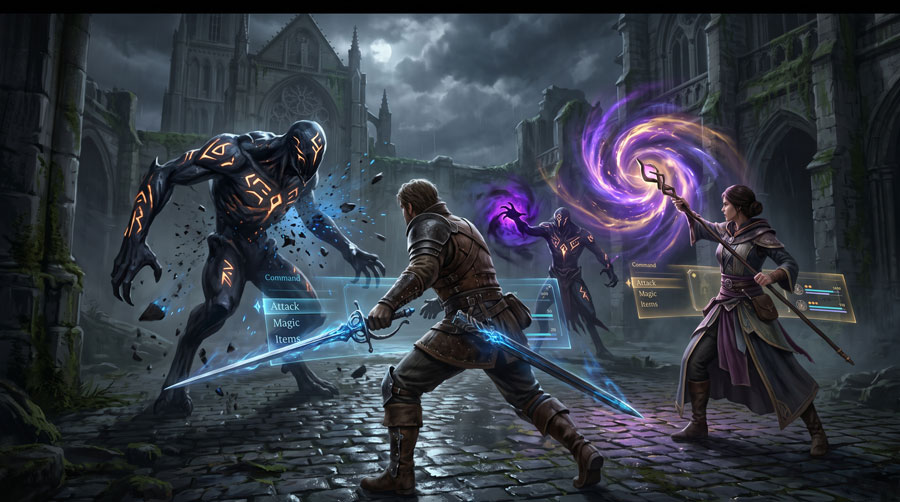
Beyond the trophies, what excites me most is the broader influence this could have. Sandfall Interactive proved that you can take a genre many consider niche or old-fashioned and modernize it without abandoning what made it beloved in the first place. If even a handful of upcoming RPGs take inspiration from how confidently this game blends turn-based strategy with real-time action — and how seriously it treats its themes — the genre as a whole stands to benefit enormously.
Final Thoughts: The Mark a Great Game Leaves Behind
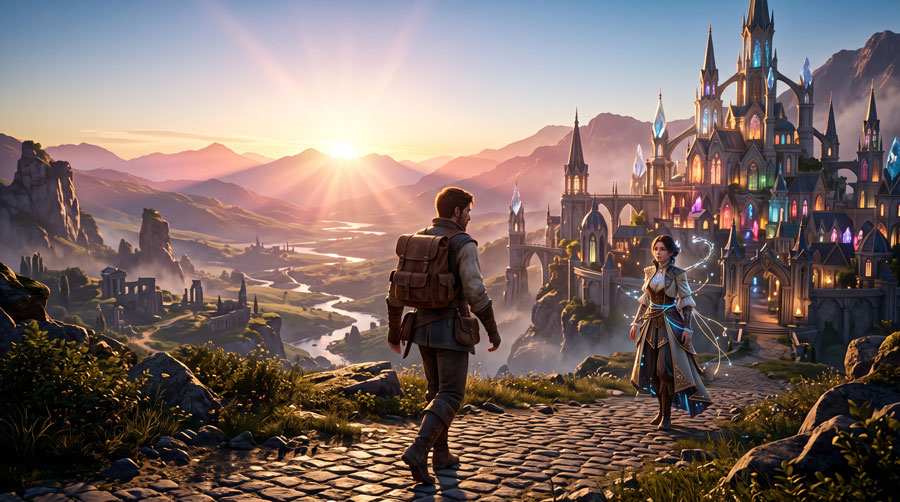
It’s rare for a single piece of media to occupy this much mental real estate after you’ve finished it. Most games, even genuinely good ones, get filed away neatly once the credits roll. You move on to the next thing. Clair Obscur: Expedition 33 refused to let that happen to me.
I think it comes down to sincerity. This is a game that commits fully to its themes, its characters, and its emotional honesty without flinching or softening the harder questions it raises. It doesn’t pad itself with unnecessary content to seem bigger than it needs to be, and it doesn’t water down its grief-soaked premise to make it more palatable. It simply tells the story it set out to tell, as well as it possibly can, and trusts the audience to meet it there.
If you haven’t played it yet, I genuinely envy you a little — that first experience of stepping into Lumière, hearing that haunting score for the first time, and slowly falling for a cast of characters you don’t yet realize you’ll be thinking about for weeks afterward is something special. And if you have already finished it, I suspect you understand exactly why I’m still writing about it instead of moving on to whatever’s next on my list.
Some games entertain you for a while. This one stays.
FAQs
Is Clair Obscur: Expedition 33 a sequel or part of an existing franchise?
No. This is an entirely original IP created by Sandfall Interactive, marking the studio’s debut release rather than a continuation of an established series.
How long does it take to finish Expedition 33?
The main story typically takes somewhere around twenty-five to thirty hours to complete, with additional time required for side content, optional bosses, and full exploration if you want to experience everything the game offers.
What platforms is Expedition 33 available on?
The game launched on PC, PlayStation 5, and Xbox Series consoles, giving most modern players easy access regardless of their preferred platform.
Is this game more like a JRPG or a Western RPG?
It blends elements of both. The turn-based combat structure and emotional storytelling draw heavily from classic JRPG traditions, while the real-time action mechanics and tone bring something distinctly different to the formula.
Does the game have a definitive, single ending?
The ending is intentionally open to interpretation. The development team has acknowledged that they didn’t fully agree internally on how to read their own conclusion, leaving room for players to form their own meaning from the story’s final moments.
Is Expedition 33 considered family-friendly or does it deal with mature themes?
The game explores heavy, mature themes including death, grief, and loss throughout its narrative. While it includes lighter, comedic moments, the overall tone is emotionally intense and best suited for more mature players.
Why has this game received so much critical acclaim and so many awards?
Its combination of a genuinely original story, innovative hybrid combat system, striking art direction, and an outstanding soundtrack has been widely praised, leading to numerous Game of the Year honors across major industry award ceremonies.