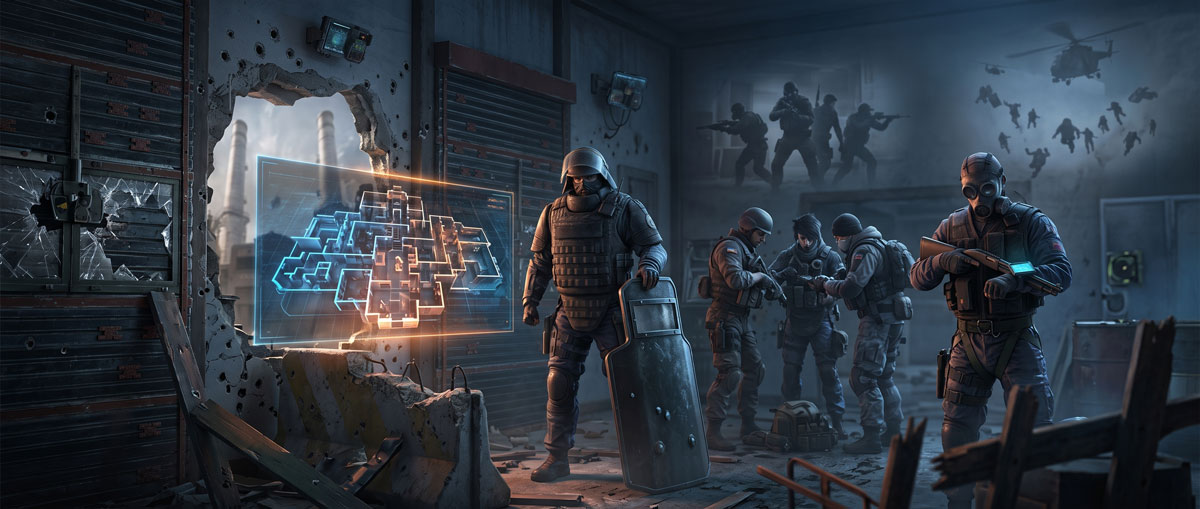

I used to be a spray-and-pray guy. Drop into any shooter, hold a sightline, hope for the best, blame my teammates when it went sideways. That was my whole strategy for years. Then Rainbow Six Siege happened, and honestly? It wrecked me in the best possible way.
If you’ve never played it, Siege isn’t your typical run-and-gun FPS. One bad peek, one missed callout, one destroyed wall you didn’t account for, and you’re dead — permanently, for that round. No respawns. No second chances. Just you, your brain, and a whole lot of consequences.
That single design choice didn’t just change how I play Siege. It changed how I approach every competitive game I touch now, from CS2 to Apex Legends to whatever ranked grind I’m currently losing sleep over.
The Wake-Up Call: Death Actually Means Something
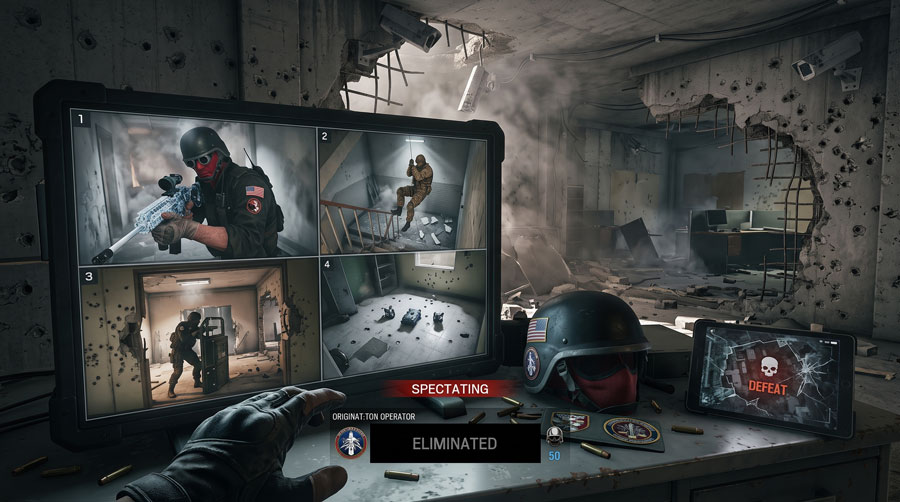
In most shooters, dying is a minor inconvenience. You respawn in ten seconds, maybe drop a “my bad” in chat, and keep pushing. Siege doesn’t work like that.
When you die in Rainbow Six Siege, you’re done for the round. You watch. You think. You feel every mistake in real time while your team plays 4v5 because of you.
That pressure taught me something most games never bothered to: every single decision has weight. I stopped treating gunfights like reflex tests and started treating them like puzzles.
- No more peeking angles just because “it felt right”
- No more pushing without a plan just to get a kill
- No more ignoring the minimap because I was too locked in on my crosshair
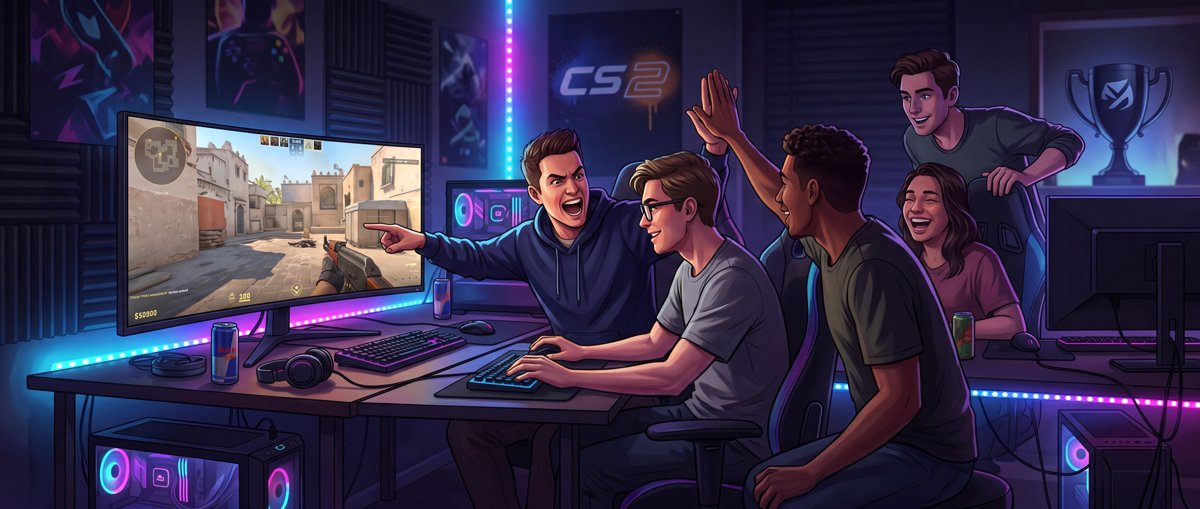
This mentality bled straight into other competitive titles. Now when I play Valorant or CS2, I’m not just aiming — I’m thinking three steps ahead like I’m still defending Bank or attacking Oregon.
Learning to Actually Communicate (Not Just Yell “Behind You”)
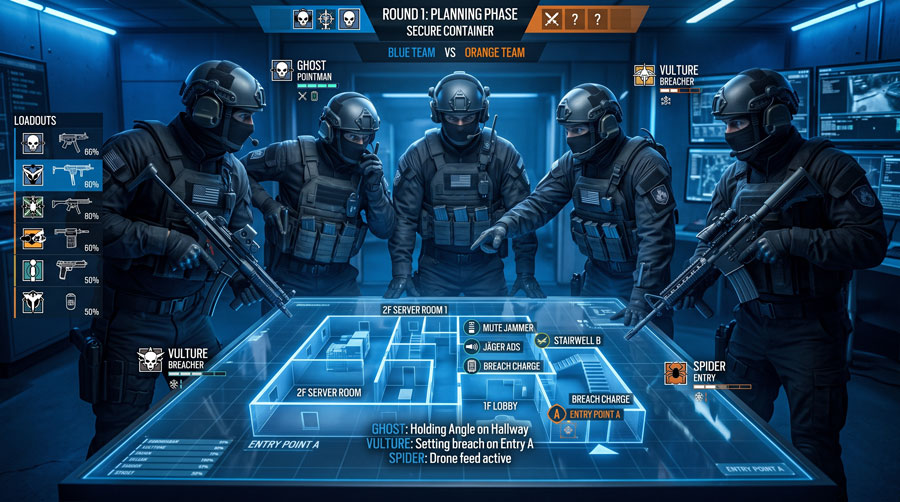
Siege has this reputation, and it’s earned: the callouts matter more than almost any other shooter out there. You can’t just say “guy shooting me.” You need to say “Thermite, hard breaching hatch, Kitchen, second floor, no gadgets used yet.”
At first, I sounded like an idiot fumbling through map names I didn’t know. But that discomfort forced me to get specific, fast, and useful with my communication.
Here’s what changed in my approach:
- I started calling out gadgets, not just enemies. Knowing what operator ability was used tells your team way more than “someone’s here.”
- I learned to talk in real time, not after the fact. Dead info is useless info.
- I stopped assuming my team could read my mind. If I saw a rotation hole or a weak wall, I said it out loud immediately.
This is a skill that transfers to literally any team-based game. Whether you’re calling rotations in League of Legends or shot-calling in Overwatch 2, that Siege-trained instinct to communicate specific, actionable info has made me a better teammate across the board — and honestly, teammates notice. You go from “random with a mic” to “the guy who actually knows what’s up.”
Map Knowledge Became a Weapon, Not a Chore
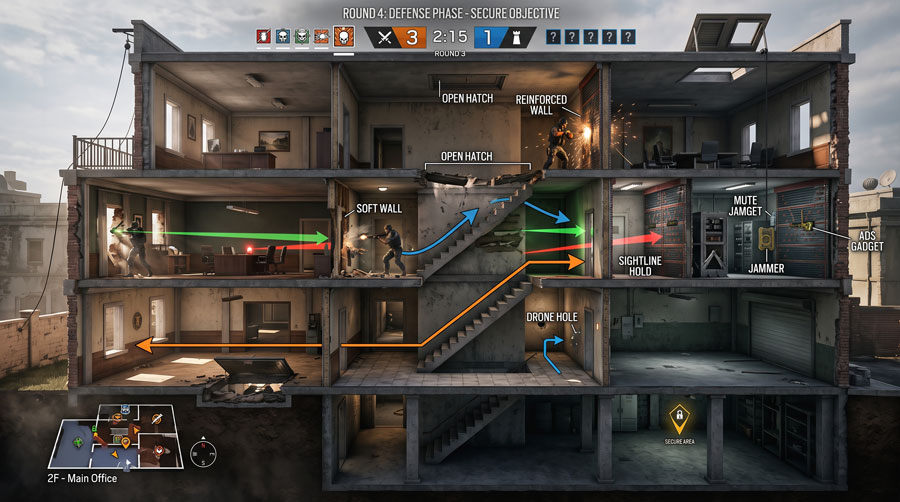
I used to think memorizing maps was for esports pros grinding VODs on Twitch at 3 AM. Then Siege taught me that map knowledge isn’t optional — it’s the whole game.
Every wall can be destroyed. Every floor can be reinforced or breached. Every rotation hole matters. You can’t just “know” a map the way you know a map in Call of Duty. You have to understand it in three dimensions, including what’s happening above and below you.
This changed how I study other competitive games entirely. Now I actually watch pro VODs. I actually load into custom games early just to walk angles. I actually pay attention to sound design because in Siege, footsteps through a floor can save your life.
It sounds like homework, but once it clicks, it’s genuinely satisfying — like when you finally understand why that one Twitch streamer always seems to know exactly where the enemy is hiding.
Patience Over Panic: The Biggest Mindset Shift
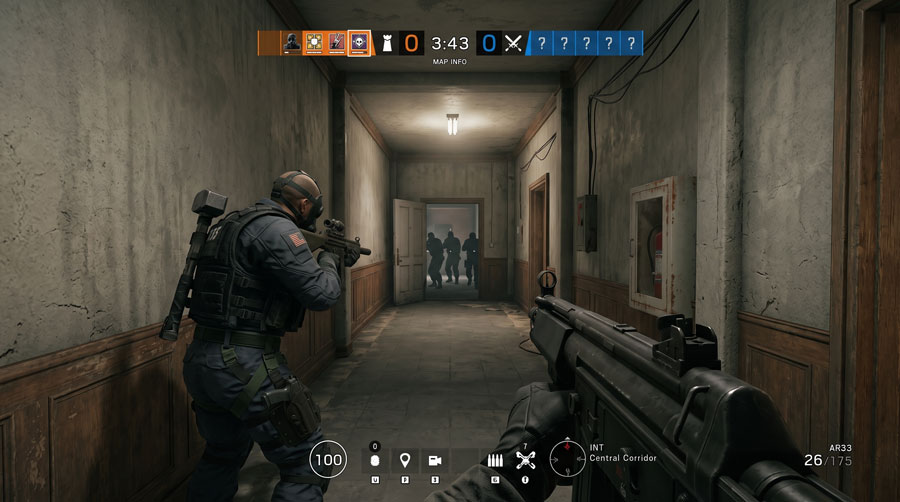
This is the big one. Siege forced me to unlearn my worst habit: panic-pushing when things went wrong.
In most shooters, if a round starts badly, you can just run it back fast. In Siege, patience isn’t a suggestion — it’s survival. Rushing a site with no plan gets you and your whole squad wiped in about four seconds flat.
I had to learn to:
- Sit back and gather information instead of forcing fights
- Trust a slow defuse over a risky flank
- Accept that losing a round patiently beats losing it recklessly
That patience is now baked into how I play everything. Ranked anxiety used to make me play sloppy and aggressive when I was tilted. Now, thanks to Siege, my instinct is to slow down, breathe, and actually think — even when my chat is popping off with people typing “why’d you peek that.”
Why This Matters for Any Competitive Gamer
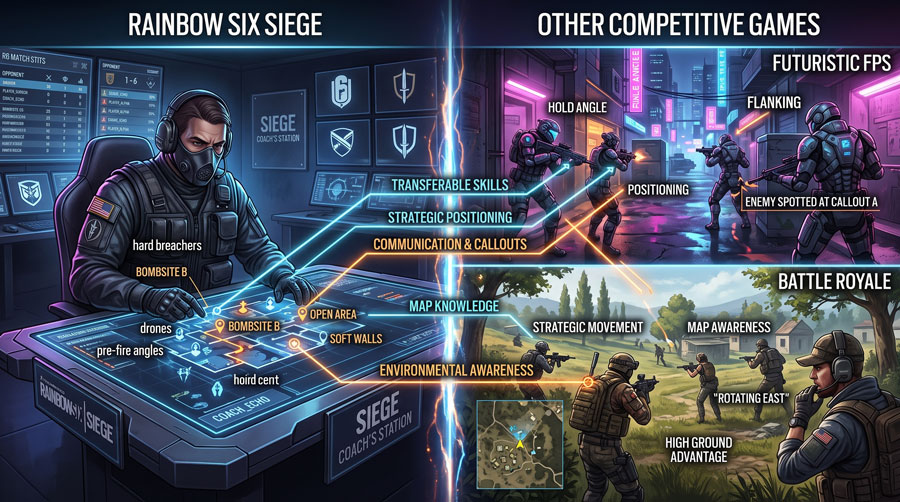
You don’t have to main Rainbow Six Siege to benefit from thinking like a Siege player. The core lessons apply everywhere:
| Siege Skill | How It Helps in Other Games |
|---|---|
| One-life pressure | Better decision-making, less reckless peeking |
| Precise callouts | Stronger team communication and trust |
| Deep map knowledge | Better positioning and game sense |
| Patience over panic | Cleaner mechanics, fewer tilt-induced mistakes |
Whether you’re grinding Valorant Immortal lobbies, trying to break out of Apex’s ranked hell, or just trying to not throw your CS2 comp matches, these are transferable skills that make you a genuinely smarter player — not just a mechanically better one.
Related Topics:
FAQs
Is Rainbow Six Siege good for improving at other competitive shooters?
Yes. Siege’s one-life format and heavy focus on communication and map knowledge build habits — like patience, precise callouts, and tactical positioning — that directly transfer to games like Valorant, CS2, and Apex Legends.
Why does Rainbow Six Siege feel so different from other FPS games?
Siege removes respawns within a round and emphasizes destructible environments, forcing players to think tactically instead of relying on reflexes alone. Every decision carries real consequences.
Do I need to be good at aiming to succeed in Siege?
Aim helps, but Siege rewards game sense, positioning, and communication just as much as mechanical skill. Plenty of players succeed by out-thinking opponents rather than out-aiming them.
What platforms can I play Rainbow Six Siege on?
Rainbow Six Siege is available on PC (Steam, Ubisoft Connect, Epic Games Store), Xbox, and PlayStation, with cross-progression supported across most platforms.
Is Rainbow Six Siege beginner-friendly in 2026?
It has a learning curve, but Ubisoft has added onboarding tools, a training range, and simplified new-player playlists that make it much easier to get into than it used to be.
Final Thoughts: Level Up Your Game Sense
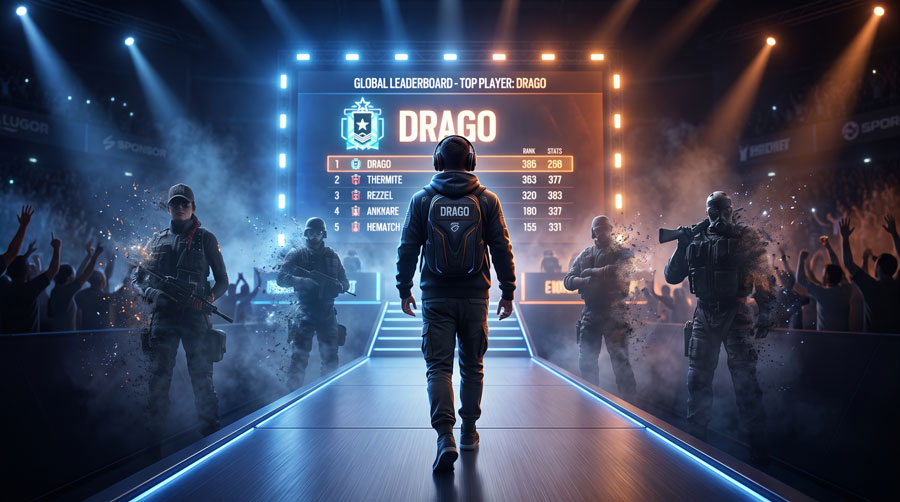
Rainbow Six Siege didn’t just teach me a new game — it rewired how I think about competition entirely. Patience, precise communication, and real map knowledge aren’t just “Siege things.” They’re the foundation of being a genuinely good competitive gamer, period.
If you’ve been stuck in a rank you’re not happy with, maybe the fix isn’t more aim training. Maybe it’s booting up Siege, dying a bunch, and learning to actually think before you push.
Got a game that changed the way you play everything else? Drop it in the comments — I want to hear what flipped the switch for you. And if this hit home, share it with your squad before your next ranked grind.