
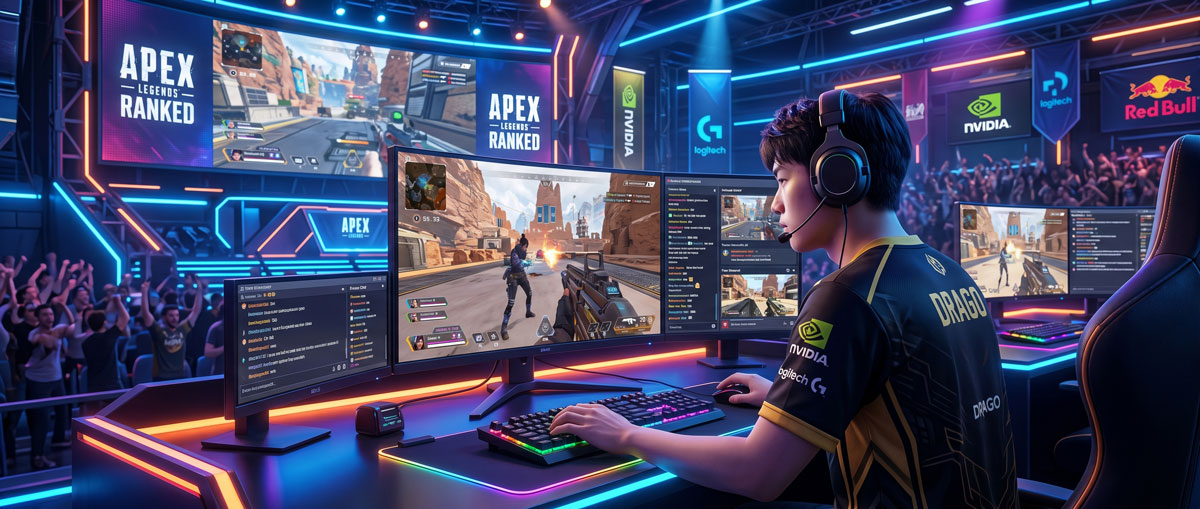

Introduction: My 1,000-Hour Journey in Apex Legends
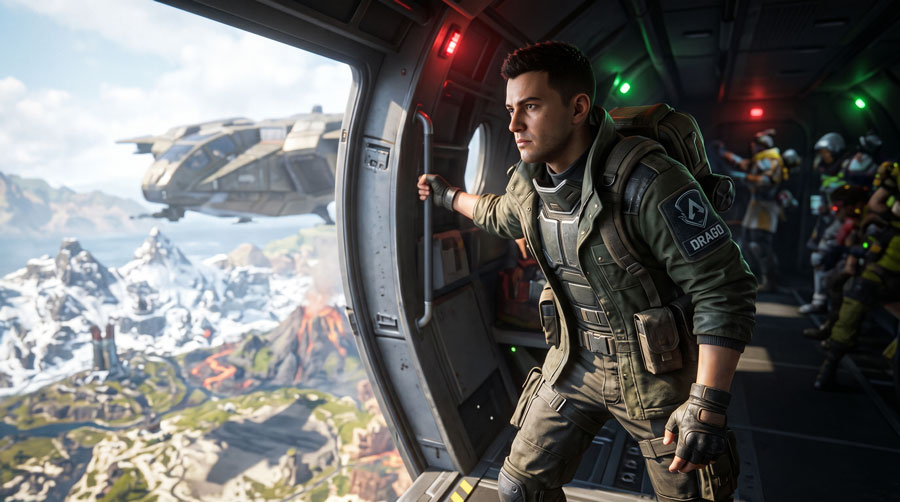
When I first downloaded Apex Legends, I expected another fun battle royale experience. I thought I would play a few matches, unlock some cosmetics, and eventually move on to another game. Instead, Apex Legends became one of the most challenging and rewarding competitive experiences I’ve ever had.
After spending over 1,000 hours in Apex Legends, I learned that competitive gaming is about much more than having good aim. Success comes from decision-making, communication, adaptability, consistency, and mental toughness.
Whether you’re a beginner trying to survive your first drop or an experienced player pushing for higher ranked tiers, the lessons learned from Apex Legends can improve not only your gameplay but also your overall approach to competition.
Why Apex Legends Is One of the Most Competitive Battle Royale Games
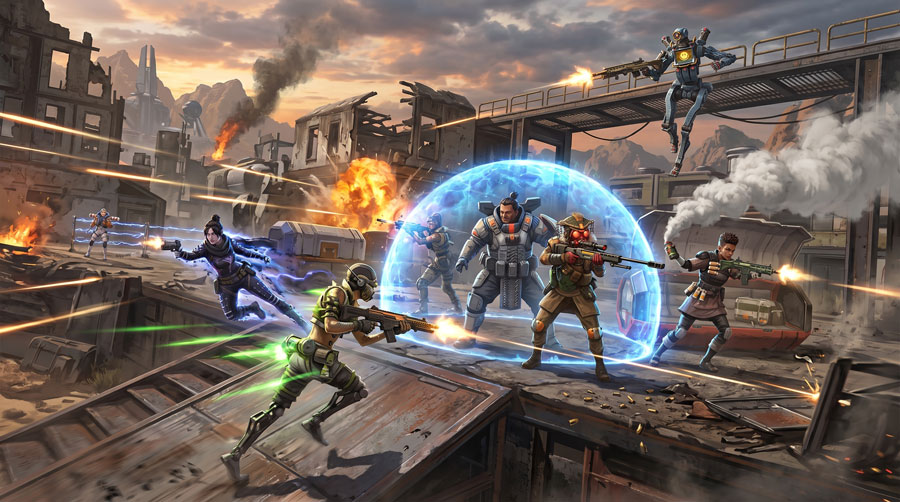
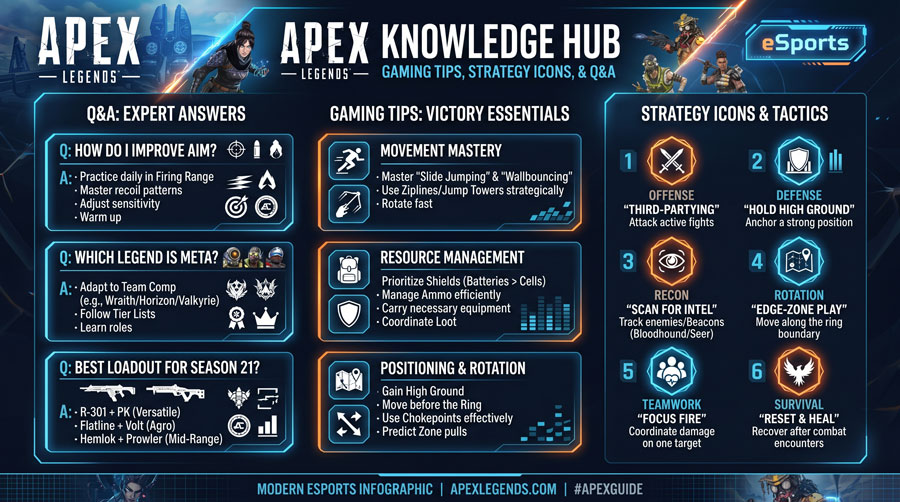
Unlike many battle royale games, Apex Legends combines fast-paced movement, hero-based abilities, team strategy, and precise gunplay.
Several features make the game exceptionally competitive:
- Unique Legends with specialized abilities
- Fast movement mechanics
- Complex team compositions
- Dynamic map rotations
- High skill ceiling
- Ranked progression system
Every match presents new challenges. No two games feel exactly alike, which keeps players constantly learning and adapting.
This complexity is one of the reasons Apex Legends has maintained a strong competitive scene since its launch.
The Reality of Spending 1,000 Hours in Apex Legends
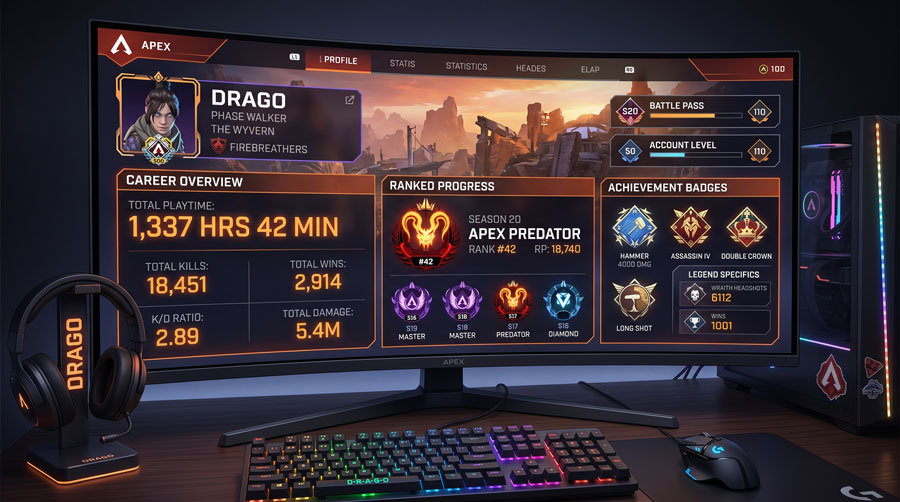
A thousand hours sounds like a massive investment—and it is.
Those hours included:
- Ranked grinds
- Casual matches
- Arena modes
- Practice sessions
- Watching professional players
- Learning weapon recoil patterns
- Reviewing mistakes
The biggest surprise wasn’t how much my aim improved. It was how much my understanding of competition evolved.
Competitive gaming rewards continuous learning. Every mistake becomes a lesson if you’re willing to analyze it.
Lesson 1: Mechanical Skill Is Only the Beginning
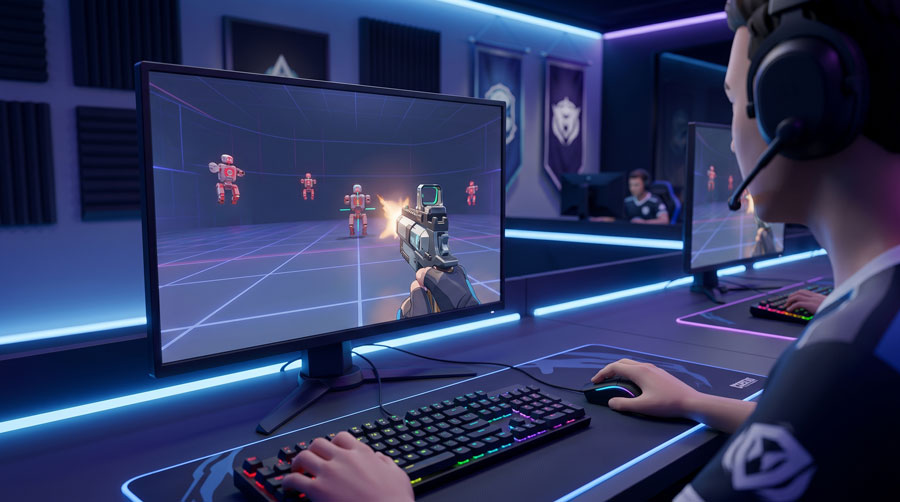
Many new players believe aim is everything.
While mechanical skill matters, it’s only one piece of the puzzle.
Great mechanics include:
- Accurate aiming
- Recoil control
- Movement techniques
- Quick reactions
- Weapon swapping
However, players with exceptional aim often lose to opponents with superior positioning and game awareness.
I frequently encountered players who could outshoot me in practice ranges but struggled during real matches because they lacked decision-making skills.
Competitive gaming teaches that technical skill alone cannot guarantee victory.
The Importance of Practice
Regular practice improves consistency.
Effective practice includes:
- Aim training
- Recoil control drills
- Movement exercises
- Weapon familiarity
Small daily improvements compound over time.
Lesson 2: Positioning Wins More Fights Than Aim

Lesson #2: Positioning Wins More Fights Than Aim
One of the most valuable lessons Apex Legends taught me was the importance of positioning.
Good positioning provides:
- Better sightlines
- Natural cover
- High ground advantages
- Escape routes
- Information control
Many fights are decided before the first bullet is fired.
A player holding superior terrain can defeat mechanically stronger opponents simply because they control the engagement.
High Ground Is King
If Apex Legends has taught me anything, it’s this:
Always respect high ground.
Players above you gain:
- Better visibility
- Easier target tracking
- Safer engagement opportunities
Controlling elevated positions often determines the outcome of team fights.
Lesson 3: Communication Is the Ultimate Competitive Advantage
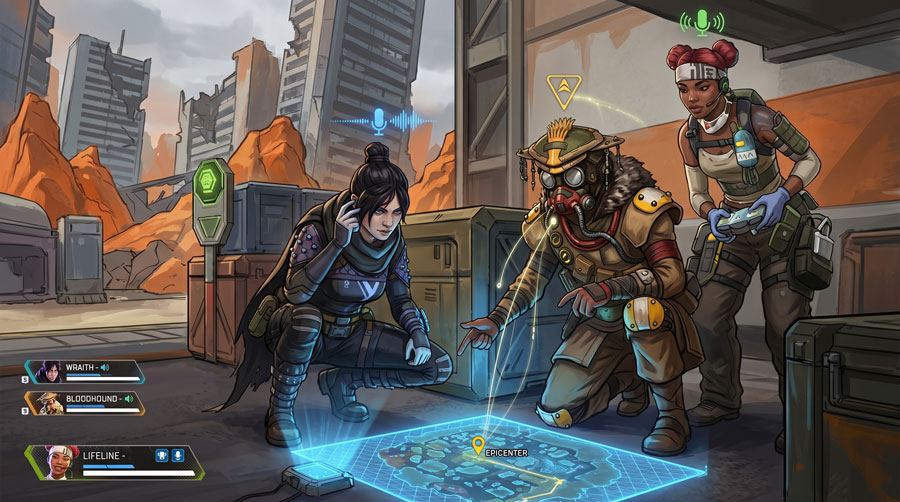
Apex Legends is fundamentally a team game.
Even the most skilled individual players struggle without communication.
Strong communication includes:
- Enemy callouts
- Resource sharing
- Rotation planning
- Ultimate ability coordination
- Threat identification
The game’s innovative ping system helps bridge communication gaps, but voice communication remains incredibly powerful.
Clear Communication Matters
The best teammates don’t necessarily talk the most.
They communicate efficiently:
- Enemy location
- Damage dealt
- Rotation plans
- Resource needs
Simple and clear information wins games.
Lesson 4: Game Sense Beats Raw Talent
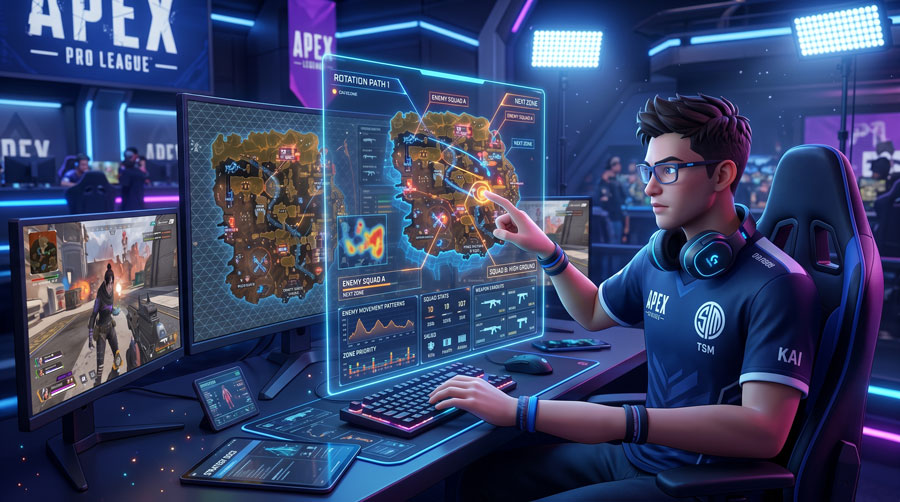
Game sense is the ability to understand what’s happening before it happens.
Experienced Apex Legends players develop instincts through repetition.
Game sense involves:
- Predicting enemy movement
- Reading ring rotations
- Understanding third-party opportunities
- Knowing when to disengage
After hundreds of hours, I noticed myself making decisions automatically because previous experiences had built subconscious awareness.
This skill often separates elite players from average players.
Recognizing Patterns
Competitive games reward pattern recognition.
Over time, you begin to anticipate:
- Enemy rotations
- Ambush locations
- Popular drop zones
- Endgame positioning
These predictions create enormous advantages.
Lesson 5: Adaptability Separates Good Players from Great Players
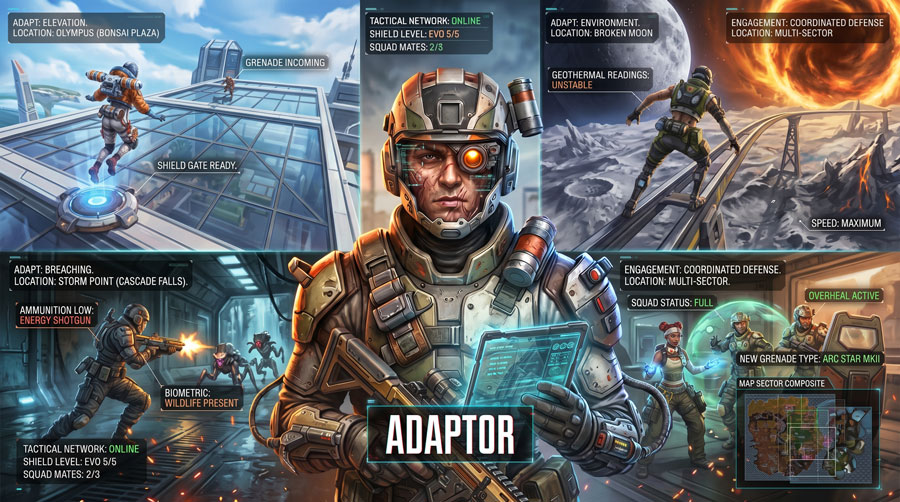
One of the defining characteristics of elite Apex Legends players is adaptability.
The game constantly changes through:
- New seasons
- Legend updates
- Weapon balancing
- Map changes
- Meta shifts
Players who refuse to adapt often stagnate.
Embracing Change
At first, I resisted certain updates.
However, I eventually realized that adaptation is part of competition.
The best players don’t complain about change.
They learn how to benefit from it.
Lesson 6: Mastering Legends and Team Composition
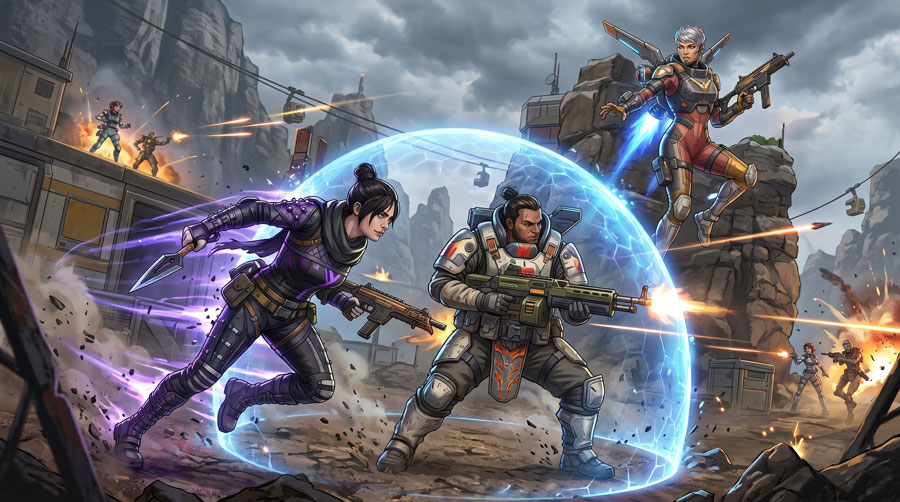
Apex Legends features a diverse roster of Legends, each with unique strengths.
Understanding team composition became increasingly important as I climbed ranked ladders.
Successful teams balance:
- Mobility
- Defense
- Information gathering
- Offensive pressure
The Importance of Synergy
Individual skill matters.
Team synergy matters more.
A coordinated squad with complementary abilities often defeats stronger individual players.Competitive gaming consistently rewards teamwork over ego.
Lesson 7: Managing Tilt and Mental Resilience
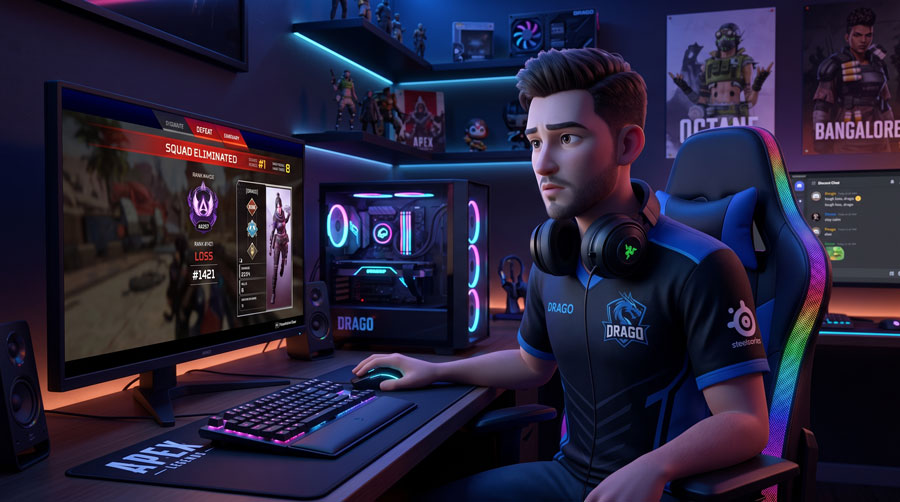
Perhaps the most important lesson from my 1,000-hour journey involved mental resilience.
Every competitive player experiences:
- Losing streaks
- Bad teammates
- Unlucky situations
- Missed shots
- Frustrating defeats
The difference lies in how players respond.
Learning Emotional Control
Tilt destroys performance.
When emotions take control:
- Decision-making declines
- Communication suffers
- Confidence drops
- Mistakes increase
Learning to stay calm under pressure dramatically improved my results.
Mental strength is a competitive skill just like aiming.
Lesson 8: Consistency Outperforms Occasional Brilliance
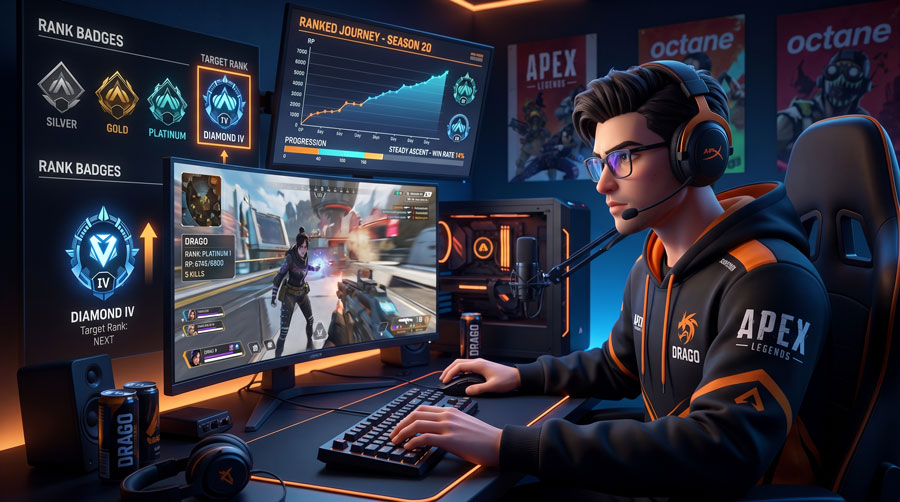
Many players focus on highlight moments.
Amazing clips are exciting, but consistency wins ranked games.
Competitive success comes from:
- Reliable decision-making
- Smart rotations
- Effective teamwork
- Strong fundamentals
A player who performs well every match will climb faster than someone who occasionally dominates but frequently makes reckless mistakes.
Building Good Habits
Good habits create consistency.
Examples include:
- Looting efficiently
- Communicating clearly
- Rotating early
- Maintaining awareness
These habits produce long-term success.
The Evolution of My Ranked Journey
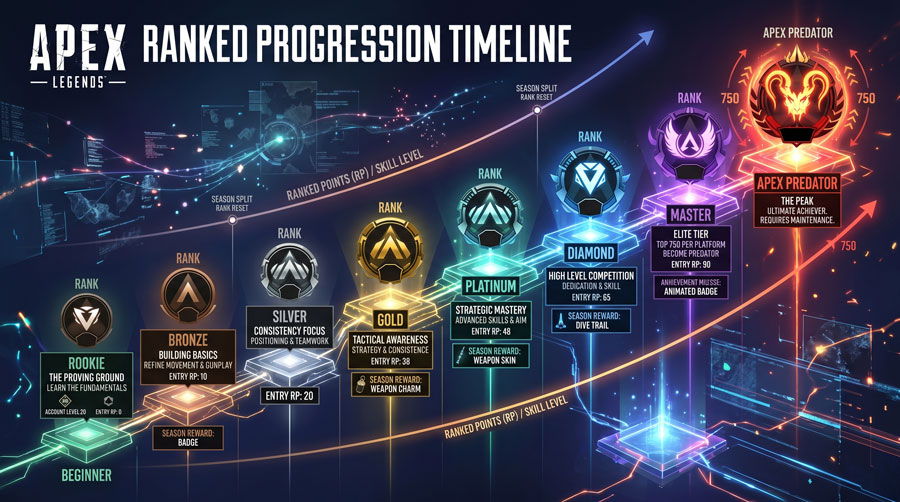
My ranked progression reflected my growth as a player.
Initially, I relied heavily on aim.
Later, I focused on:
- Positioning
- Team coordination
- Rotation timing
- Survival strategy
Each rank introduced new challenges.
Higher-level players punished mistakes instantly, forcing continuous improvement.
This process mirrored many real-world competitive environments.
Common Mistakes New Apex Legends Players Make
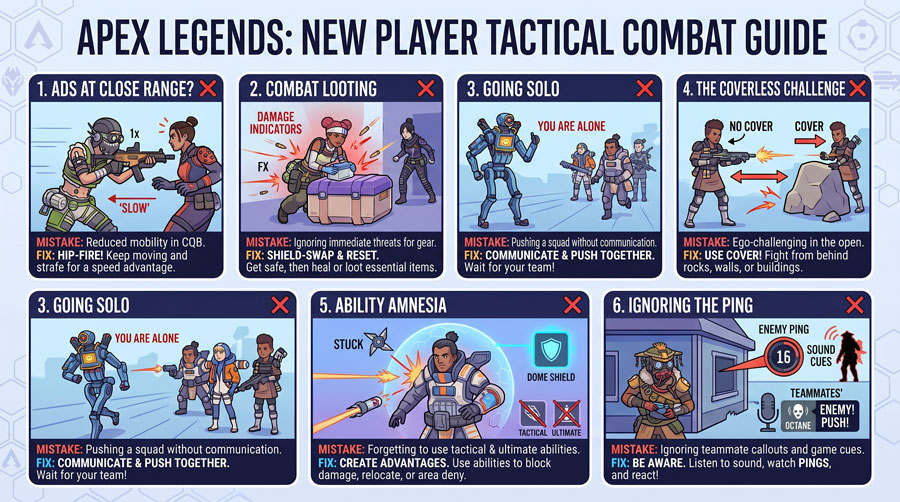
After 1,000 hours, several mistakes stand out.
Overcommitting to Fights
Not every fight should be taken.
Knowing when to disengage is critical.
Ignoring Team Positioning
Solo plays often lead to unnecessary deaths.
Stay close enough to support teammates.
Poor Resource Management
Running out of:
- Ammo
- Shields
- Healing items
can end matches quickly.
Chasing Kills
Winning the match matters more than securing individual eliminations.
Smart decisions outweigh aggressive impulses.
How Competitive Gaming Changed My Mindset
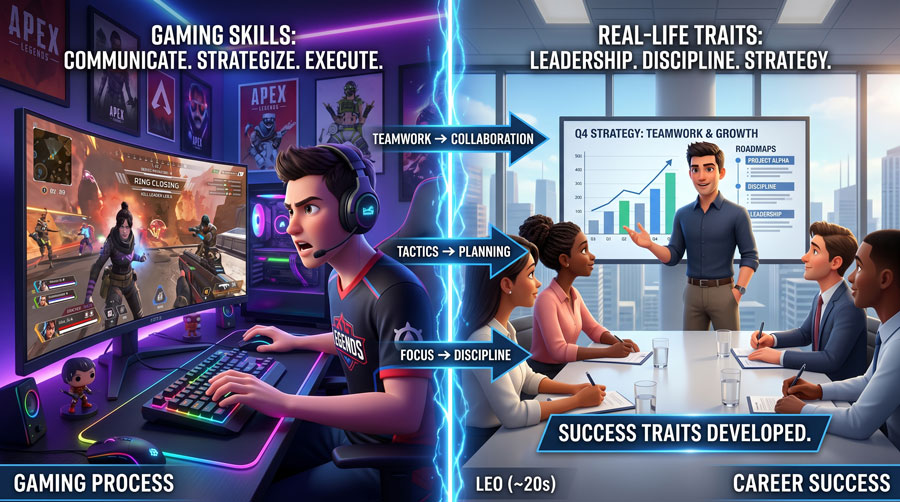
Competitive gaming reshaped how I approach challenges.
I learned:
- Patience
- Persistence
- Accountability
- Adaptability
- Strategic thinking
Rather than blaming teammates or circumstances, I started focusing on factors within my control.
This mindset accelerated improvement.
Skills Apex Legends Taught Me Beyond Gaming
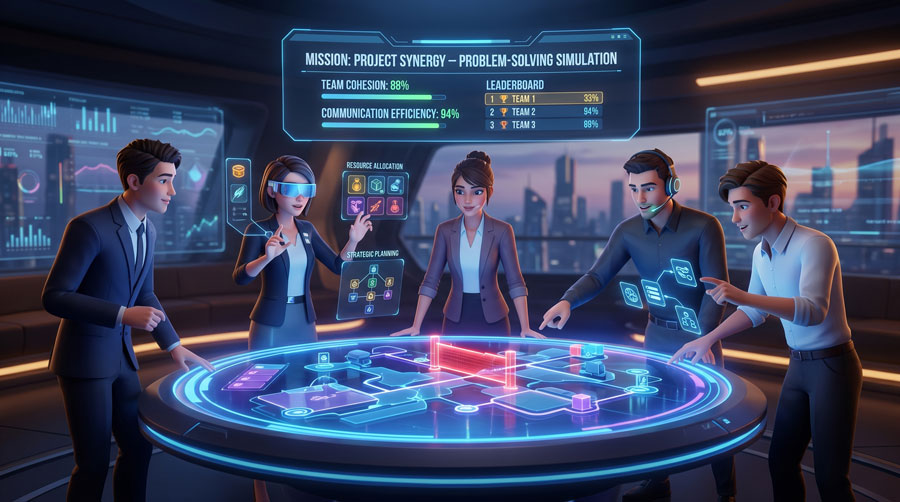
Many lessons from Apex Legends apply outside gaming.
Teamwork
Success often depends on collaboration.
Communication
Clear communication prevents misunderstandings.
Problem Solving
Every match presents unique challenges requiring quick solutions.
Decision-Making Under Pressure
Fast decisions become second nature.
Continuous Improvement
Progress comes from learning, adapting, and refining skills over time.
These qualities are valuable in careers, education, and everyday life.
Is Spending 1,000 Hours in Apex Legends Worth It?
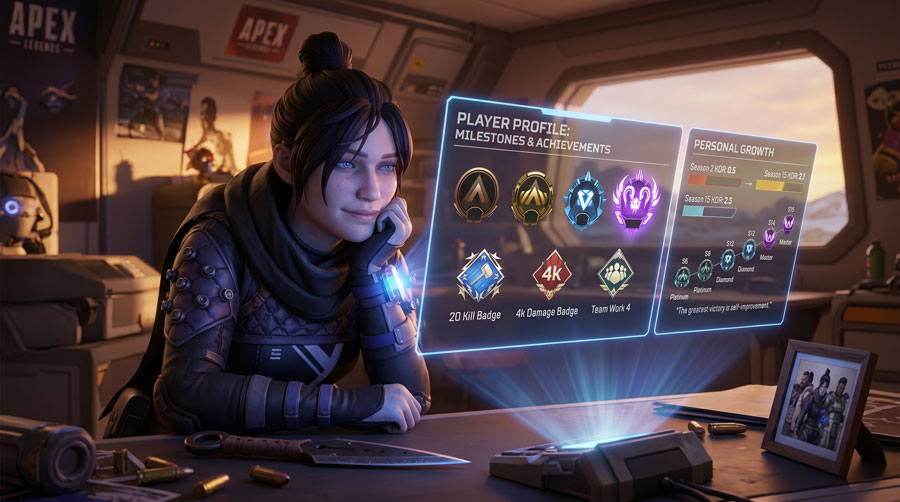
The answer depends on your goals.
If you’re seeking:
- Entertainment
- Personal growth
- Competitive challenges
- Team-based experiences
then Apex Legends offers tremendous value.
The game rewards dedication while continuously teaching new lessons.
While not every hour resulted in victory, every hour contributed to growth.
That’s ultimately what makes competitive gaming worthwhile.
For official updates and competitive information, visit the official Apex Legends website.
Frequently Asked Questions (FAQs)
1. How long does it take to get good at Apex Legends?
Most players develop strong fundamentals within 100–200 hours, but mastery often requires several hundred more hours of consistent practice.
2. Is Apex Legends harder than other battle royale games?
Many players consider Apex Legends more challenging due to its movement mechanics, hero abilities, and emphasis on team coordination.
3. What is the most important skill in Apex Legends?
Game sense and positioning are often more important than raw aim.
4. Can casual players enjoy Apex Legends?
Yes. The game offers both casual and ranked modes that accommodate different skill levels.
5. Does communication really make a difference?
Absolutely. Strong communication dramatically improves team performance and win rates.
6. What lesson from Apex Legends applies most to real life?
Adaptability. Success often depends on adjusting to changing situations rather than relying solely on existing strengths.
7. Is reaching high ranks possible without exceptional aim?
Yes. Smart positioning, communication, and decision-making can compensate for average mechanical skill.
Conclusion
Spending 1,000 hours in Apex Legends taught me far more than how to win firefights. It revealed the true nature of competitive gaming: success is built on teamwork, adaptability, communication, resilience, and continuous improvement.
The biggest lesson wasn’t about landing perfect shots or achieving impressive kill counts. It was understanding that progress comes from learning, analyzing mistakes, and staying committed even during difficult moments.
Competitive gaming mirrors many aspects of life. Challenges evolve, opponents adapt, and setbacks are inevitable. The players who succeed are those who remain focused on growth rather than immediate results.
After 1,000 hours, I can confidently say that Apex Legends is more than a battle royale game. It’s a masterclass in competition, strategy, and personal development—and those lessons continue to influence how I approach challenges both inside and outside the game.




[…] What 1,000 Hours of Apex Legends Taught Me About Competitive Gaming […]