
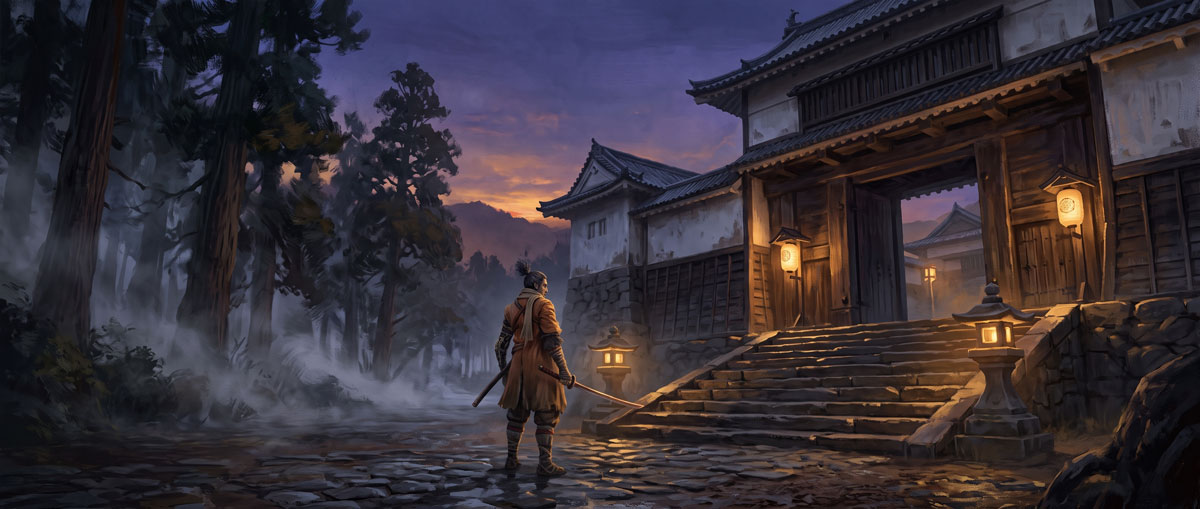

There’s a specific kind of frustration that only Sekiro can produce.
You launch the game, get through the opening cutscene, and within your first few encounters you’re staring at a stark “Death” screen — again. Every enemy feels punishing. Every mini-boss feels insurmountable. And somewhere around hour three, a quiet, uncomfortable thought surfaces: maybe this game just isn’t for me.
If that sounds familiar, you’re not alone — and more importantly, you’re not wrong to feel that way. Sekiro is genuinely hard. But it’s hard in a very specific, learnable way. This guide covers the essential Sekiro tips for beginners that can transform your experience from wall-punching frustration to some of the most rewarding gameplay you’ll ever have.
What Makes Sekiro Different From Other Action RPGs
Before diving into tactics, it helps to understand why Sekiro feels so disorienting at first — especially if you’re coming from other FromSoftware titles like Dark Souls or Elden Ring.
Most action RPGs give you tools to compensate for skill gaps. Grind for higher levels. Find a more powerful weapon. Summon a friend to help. Tweak your build.
Sekiro removes almost all of those safety nets.
There’s no stamina bar limiting your attacks. No expansive weapon variety to experiment with. No multiplayer summons to bail you out. Instead, the game places nearly all responsibility directly on player skill — specifically your mastery of:
- Perfect deflections
- Attack timing
- Posture management
- Aggressive, close-range combat
- Reading enemy animations
- Fast decision-making under pressure
For beginners, that’s a lot to absorb. But here’s the key insight: once you accept that Sekiro is its own thing — not a Souls clone with a new coat of paint — everything starts to make more sense.
The Biggest Mistake New Players Make (And How to Fix It)
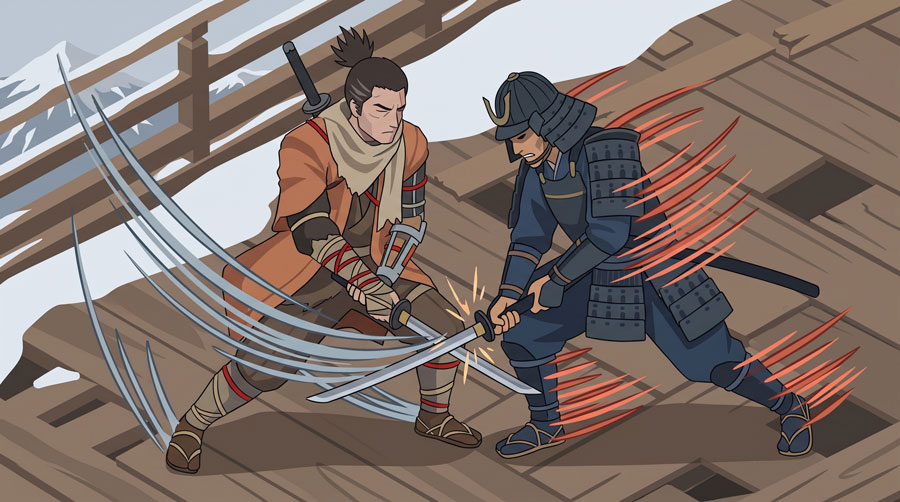
If you’ve played Dark Souls or Elden Ring, your muscle memory has been trained around one core instinct: dodge away from danger.
In Sekiro, that instinct will get you killed repeatedly.
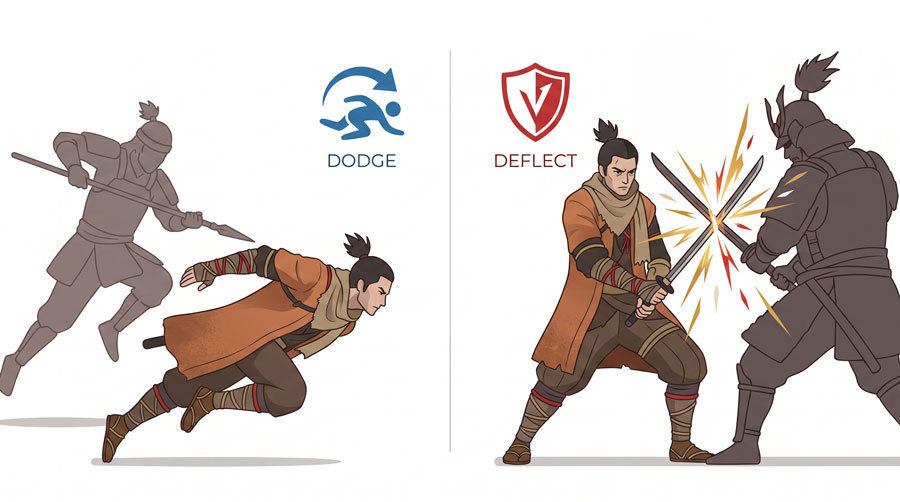
Rolling backward creates distance. Distance gives enemies room to breathe, reset, and press their advantage. Sekiro’s combat is designed around closing that distance and maintaining pressure — not retreating from it.
This is counterintuitive. Why would you willingly stay next to an enemy that can kill you in two hits?
Because aggression isn’t optional in Sekiro — it’s the entire system. Staying in an opponent’s face, deflecting their attacks, and keeping relentless pressure are what deplete their posture bar and set up a killing blow. The moment you back off, you’re playing the game wrong.
For beginners, retraining that instinct is genuinely the hardest part. Give yourself permission to throw out old habits entirely.
Understanding Deflection: The Heart of Sekiro’s Combat
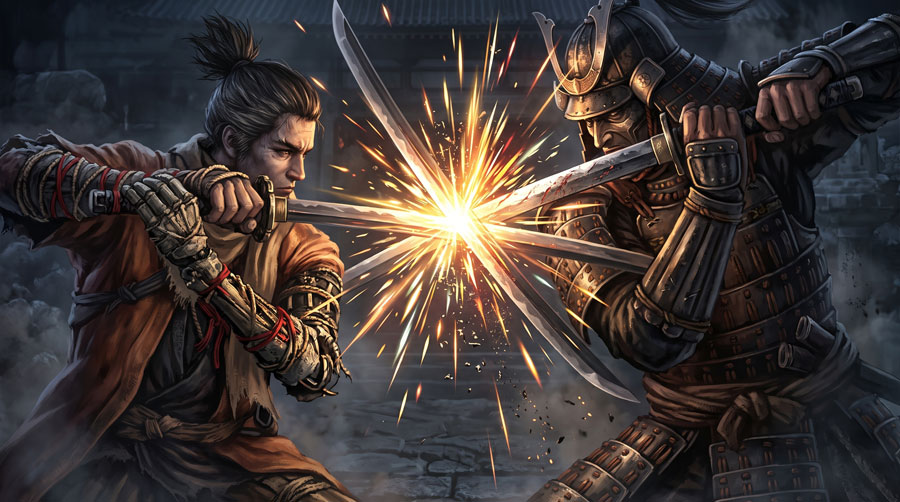
If there’s one mechanical concept that separates struggling players from thriving ones, it’s deflection.
Unlike a standard block, a well-timed deflection doesn’t just protect you — it actively damages your opponent’s posture while keeping you in their face and ready to counter. Chain enough deflections together and you’ll break their posture entirely, opening a finishing move.
Once this mechanic clicks, fights stop feeling chaotic and start feeling like controlled duels — a rhythm of attack, deflect, counter, repeat.
Here’s what beginners should focus on:
- Stop thinking of enemy attacks as threats to escape. Think of them as opportunities to deflect and deal posture damage.
- Listen for the audio cue. The sharp ring of steel meeting steel after a perfect deflection is one of the most satisfying sounds in gaming — and a reliable indicator you’re doing it right.
- Practice on weaker enemies first. Don’t try to perfect your deflection timing on a boss. Use regular encounters to build the reflex.
- Stay aggressive. Deflecting puts you in the right position to attack immediately after — use it.
The transition from “dodging everything” to “deflecting and punishing” is the single most important skill jump for any Sekiro beginner.
Why Death Is a Teacher, Not a Punishment
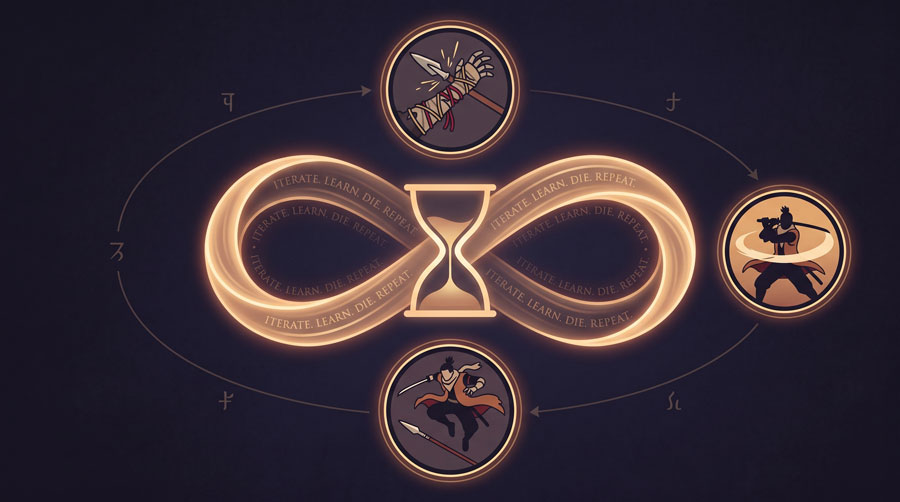
Most games make failure feel expensive. You lose time, progress, resources. The psychological message is: don’t die.
Sekiro certainly has consequences for death. But there’s a more useful way to frame every defeat: as a data point.
Each time you die, you learn something specific:
- Which attacks have a delayed timing that fools you into deflecting too early
- Which moves require a jump rather than a deflect
- When a window to counterattack opens
- When to stay aggressive and when to briefly disengage
The players who struggle most with Sekiro are often the ones who treat each death as pure failure and respond by rushing back in emotionally. The players who improve fastest treat death as part of the feedback loop.
Try this mindset shift: instead of aiming to win your next attempt, aim to learn one new thing about the fight. That single reframe can completely change your relationship with the game’s difficulty.
That One Boss That Almost Makes Everyone Quit
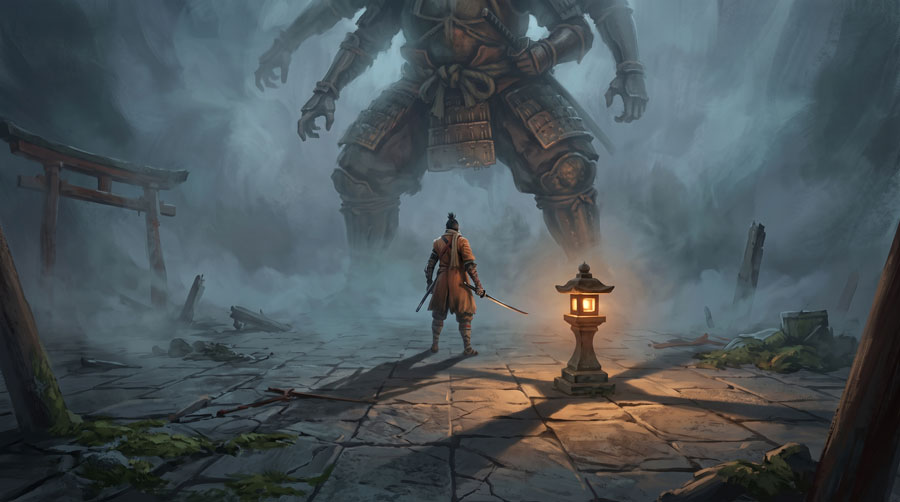
Nearly every Sekiro player has a story about a particular encounter that pushed them to the edge. The details vary, but the pattern is familiar:
You make it past the opening phase. Your confidence builds. Then — a split-second loss of focus, one mistimed deflect — and it collapses entirely.
After dozens of failed attempts, frustration sets in. You’re no longer learning. You’re just repeating the same mistakes and hoping for a different result.
This is the moment most people quit. Don’t.
The most effective thing to do when you hit this wall is to stop — not forever, but long enough to reset. Step away. Come back with fresh eyes.
Then change your objective. Stop trying to win the fight. Instead, focus exclusively on watching the boss’s animations. Practice deflections without worrying about dealing damage. Break the encounter into small, learnable pieces rather than one overwhelming challenge.
What often happens next surprises players: the boss hasn’t gotten easier — you’ve gotten better. That distinction is everything.
The World You’re Missing While You’re Busy Dying
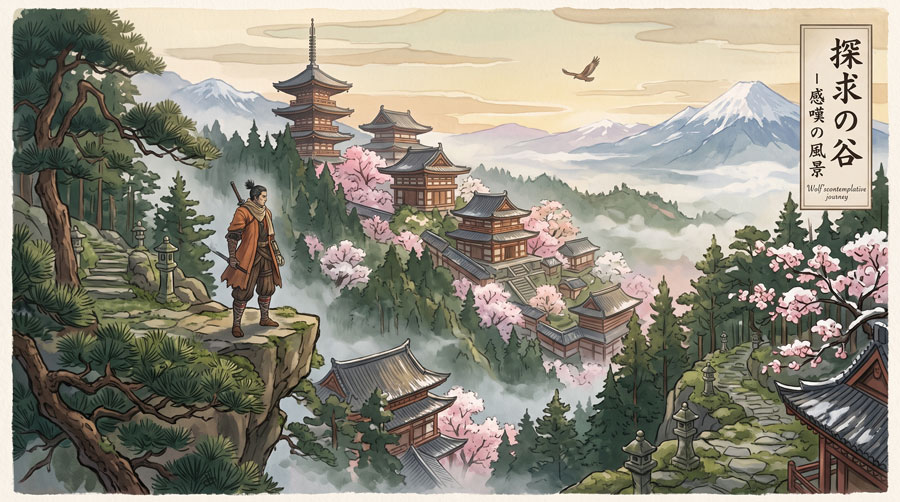
It’s easy to become so tunnel-visioned on survival that Sekiro’s world becomes background noise.
Once the combat system begins to feel natural, something shifts. Suddenly there’s space to notice the stunning feudal Japanese environments — atmospheric temples, breathtaking castle architecture, intricate level design built with hidden pathways and rewarding secrets for curious players.
Sekiro’s world-building is also deliberately understated. Rather than drowning players in exposition, the game reveals its history through environmental details, item descriptions, NPC dialogue, and architecture. The more you explore, the more the world quietly unfolds.
What initially feels like a relentless gauntlet gradually becomes one of the most immersive settings in modern gaming — but only if you stick around long enough to experience it.
The Feeling That Makes It All Worth It
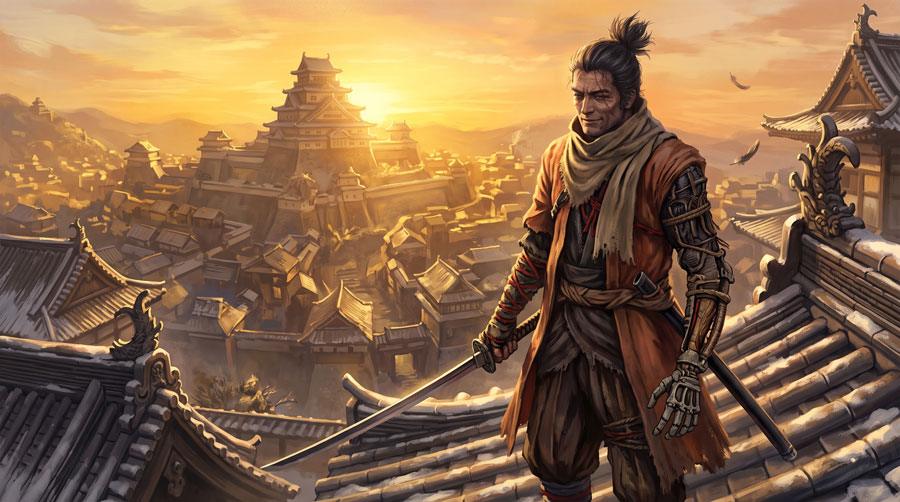
Here’s something no guide can fully prepare you for: the feeling of finally defeating a boss that once seemed impossible.
Unlike games where better gear eventually carries you through, Sekiro offers no such shortcut. Every victory belongs entirely to the player. You didn’t win because your character leveled up. You won because you did — because you learned the patterns, sharpened your timing, and executed under pressure.
That distinction makes every triumph feel genuinely earned in a way that’s increasingly rare in modern gaming.
Final Thoughts: Don’t Quit Before the Click
Sekiro is hard. That’s not a flaw — it’s the design. The difficulty is what makes every victory meaningful and every lesson stick.
The most important Sekiro tips for beginners aren’t really about combat mechanics. They’re about mindset: unlearn your old instincts, embrace aggression, treat death as information, and give yourself permission to be bad at it before you become good.
If you’re on the edge of quitting, take a break instead. Come back. Focus on learning, not winning.
The click will come. And when it does, you’ll understand exactly why so many players call Sekiro one of the most rewarding games ever made.