
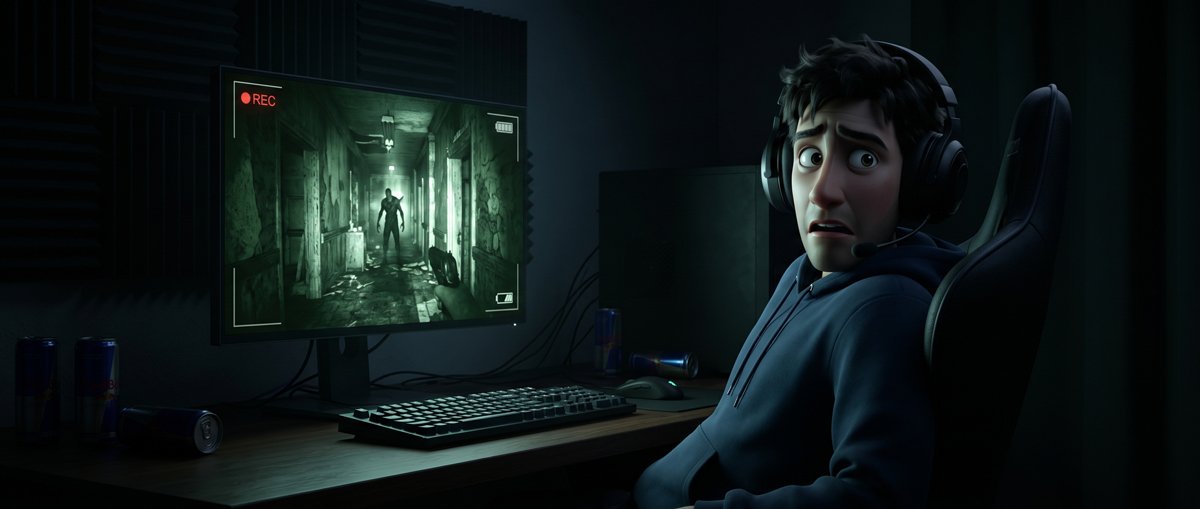

Introduction: Entering the World of Horror Gaming
Horror games always looked interesting to me from a distance. Watching YouTubers scream during terrifying jump scares felt entertaining, but actually playing one myself? That was a completely different story. For years, I avoided horror games because I knew I scared easily. Dark hallways, creepy noises, and unexpected monsters were enough to make me uncomfortable even in movies.
But curiosity eventually won.
One evening, I decided to try my very first horror game: Outlast.
I thought it would be a fun challenge. I assumed I could handle a few scares and finish the game without much trouble. I was wrong.
What started as a casual gaming session quickly turned into one of the most intense gaming experiences of my life. Fear, adrenaline, panic, and regret hit me all at once. Outlast didn’t just scare me—it completely changed the way I looked at horror games.
Why I Chose Outlast as My First Horror Game
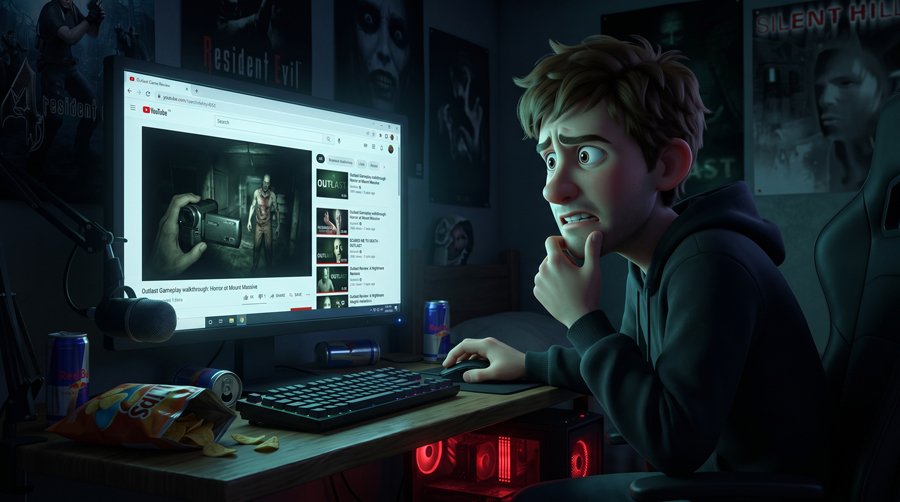
There are many horror games available today, but Outlast kept appearing everywhere online. Gamers called it one of the scariest games ever made. Streamers screamed while playing it. Reddit discussions praised its terrifying atmosphere. Horror fans described it as a “must-play experience.”
Naturally, I became curious.
What attracted me most was the game’s unique concept. Unlike many action horror games where players can fight enemies, Outlast takes away your power completely. You cannot use weapons. You cannot defeat enemies. Your only options are:
- Run
- Hide
- Survive
That idea sounded terrifying and exciting at the same time.
I also heard the game relied heavily on psychological horror instead of cheap jump scares. The setting—a psychiatric asylum filled with horrifying secrets—felt mysterious enough to pull me in.
I downloaded the game thinking:
“How bad could it really be?” That confidence disappeared within the first hour.
First Impressions of Mount Massive Asylum
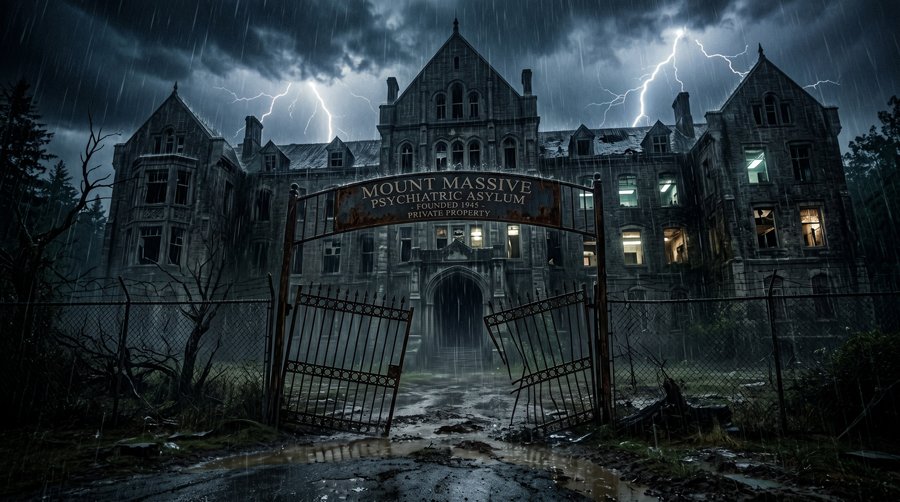
The game begins with investigative journalist Miles Upshur arriving at Mount Massive Asylum after receiving an anonymous tip about disturbing experiments happening inside.
From the moment the gates opened, something felt wrong.
The environment immediately created tension:
- Rain pouring outside
- Flickering lights
- Empty hallways
- Blood-stained walls
- Disturbing screams echoing in the distance
Even before meeting a single enemy, the atmosphere alone was enough to make my heart race.
The genius of Outlast lies in how slowly it builds fear. Instead of attacking the player instantly, it allows dread to grow naturally. Every room feels unsafe. Every sound makes you suspicious.
As I explored deeper into the asylum, I realized this game wanted me to feel helpless.
And it succeeded.
The Atmosphere That Changed Everything
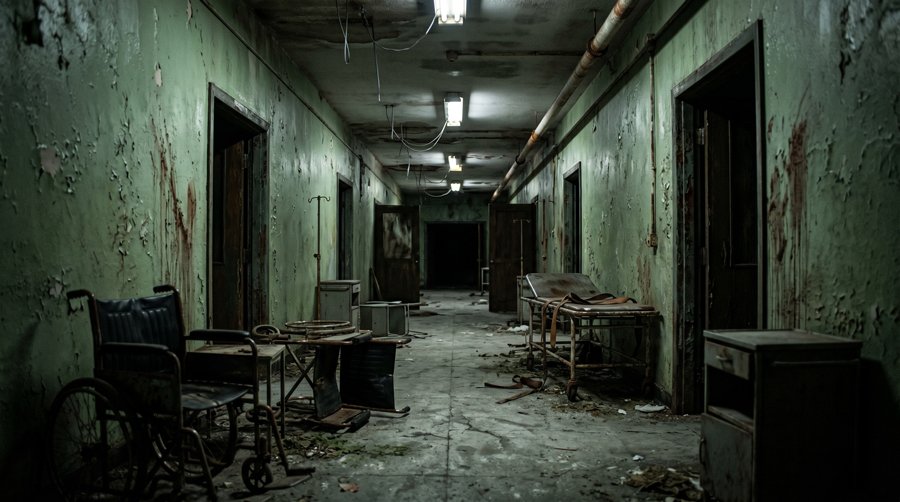
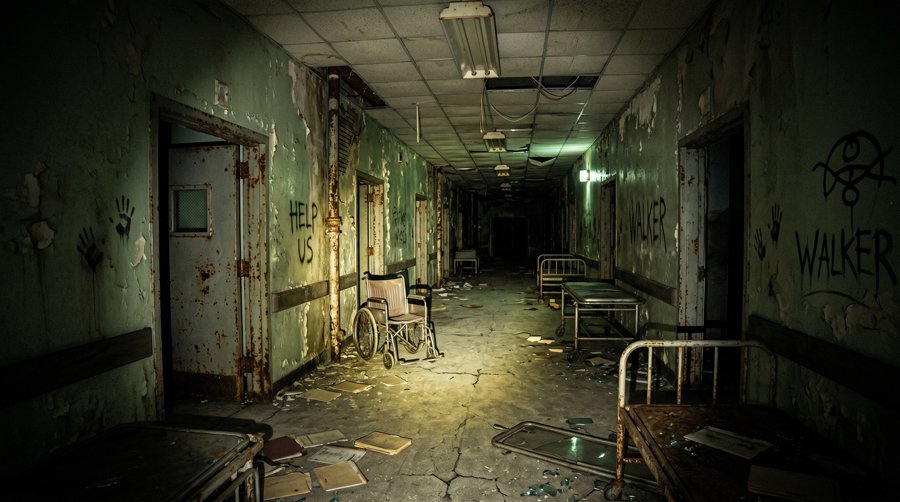
One of the biggest strengths of Outlast is its atmosphere. Many horror games rely heavily on monsters, but Outlast understands that true horror comes from tension and uncertainty.
The asylum feels alive in the worst possible way.
The environment tells stories without needing long explanations:
- Broken wheelchairs
- Bloody operating rooms
- Disturbing messages written on walls
- Dead bodies scattered everywhere
Every area creates discomfort.
The game constantly forces players to imagine what happened before they arrived. That imagination becomes more terrifying than anything shown directly on screen.
I remember opening doors slowly because I genuinely feared what might be waiting behind them. Sometimes nothing happened, which made the tension even worse. That psychological pressure stayed with me throughout the game.
Fear Without Weapons — A New Kind of Horror
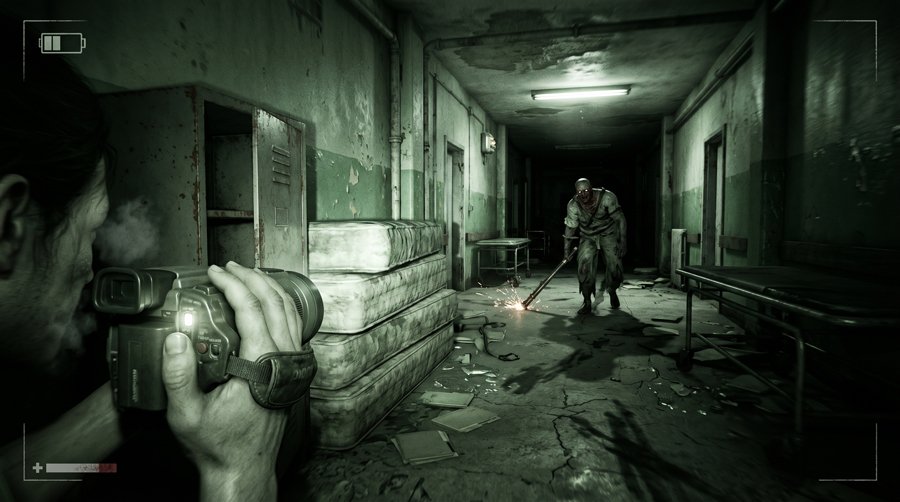
Most games give players some level of control. Guns, swords, or powers create confidence. Outlast removes all of that.
You are defenseless.
At first, this mechanic frustrated me. I kept searching for weapons, assuming the game would eventually allow combat. Instead, it forced me to accept vulnerability.
That vulnerability changes everything.
When enemies appear, your brain reacts differently because fighting is impossible. Panic becomes real. Survival depends entirely on quick decisions and hiding spots.
This creates genuine fear instead of artificial tension.
Every encounter feels dangerous because failure means brutal death animations and restarting sections under stress.
I quickly learned that running blindly often made situations worse.
The Night Vision Camera Mechanic
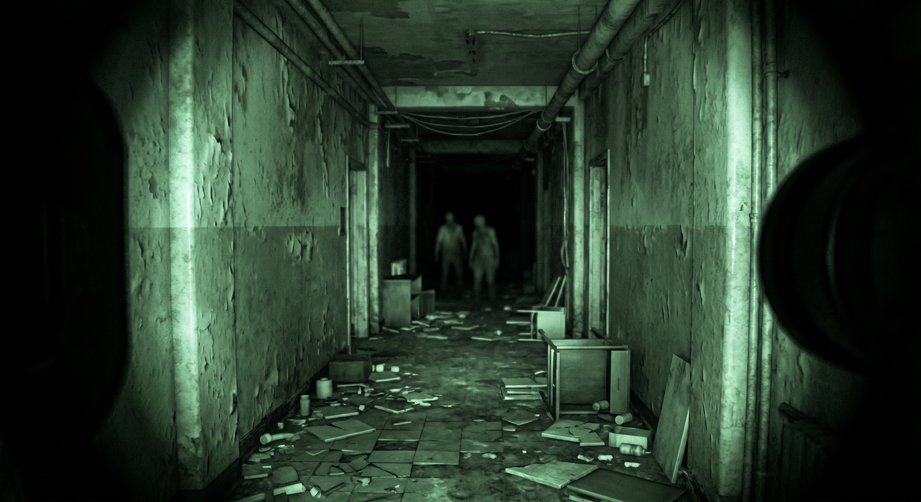
The camcorder mechanic is one of the smartest gameplay systems in horror gaming.
Since most areas are completely dark, players must use the camera’s night vision mode to navigate. However, night vision drains batteries quickly, creating constant anxiety.
The darkness becomes terrifying because:
- You cannot fully see enemies
- Batteries are limited
- Visibility constantly changes
- Shadows create paranoia
Some of the scariest moments happened while searching desperately for batteries in pitch-black rooms.
The green glow of night vision became both comforting and horrifying at the same time. Without the camera, the game would still be scary. But with it, Outlast creates a unique survival experience unlike almost any other horror title.
My First Real Jump Scare
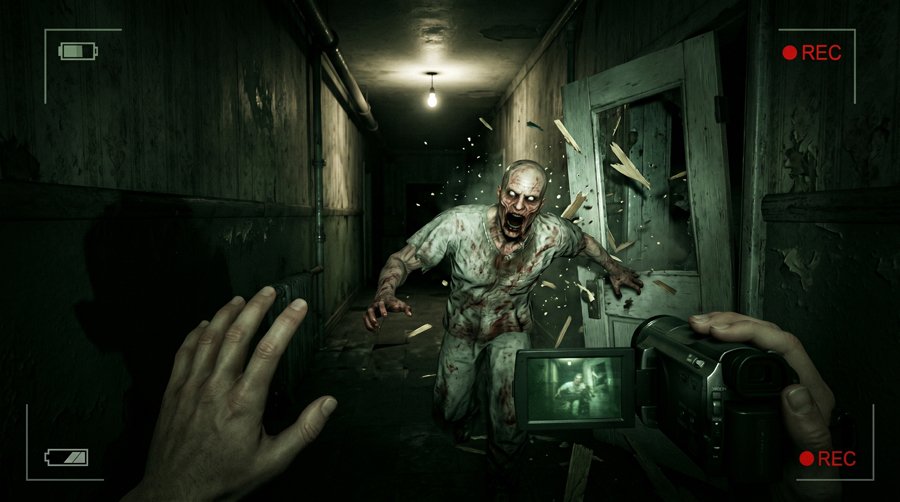
I still remember my first major jump scare in Outlast.
I was cautiously exploring a hallway, moving slowly while checking corners with the camera. Everything seemed quiet for several minutes. Then suddenly—
An enemy burst through a doorway directly in front of me.
I physically jumped in my chair.
My heartbeat skyrocketed instantly. I accidentally ran into a wall while trying to escape because panic completely took over.
That moment taught me something important:
Watching horror games is nothing like playing them.
When you control the character yourself, fear feels personal. You become emotionally invested in survival. Every scare hits harder because your brain reacts as if the danger is real. After that first jump scare, I became nervous every time I opened a door.
Adrenaline and Panic During Chase Sequences
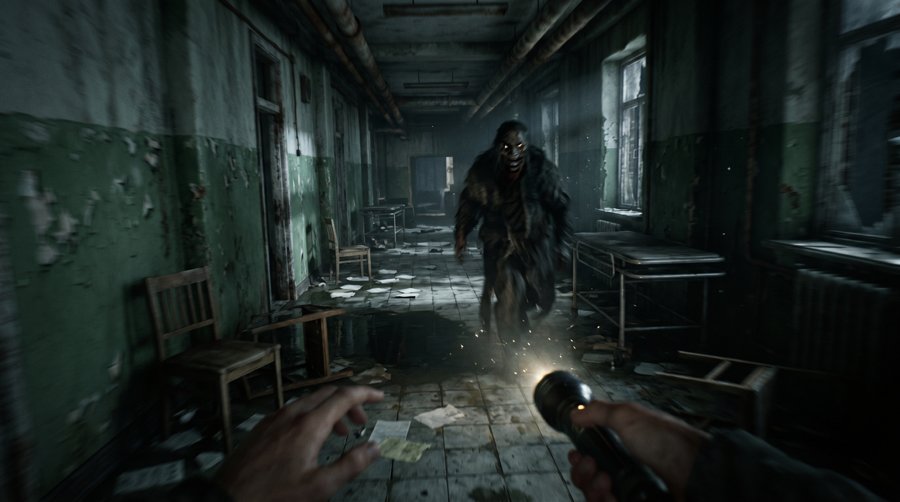
The chase sequences in Outlast are pure chaos.
Once enemies notice you, the game transforms instantly from slow horror to high-speed panic. Loud music begins playing, footsteps echo behind you, and every wrong turn increases terror.
These moments triggered genuine adrenaline.
I found myself:
- Breathing faster
- Sweating
- Pressing buttons too quickly
- Forgetting directions
- Panicking under pressure
The game expertly manipulates stress levels by forcing quick decisions in dark environments.
Some chases lasted only seconds but felt much longer because of the intensity. Hiding under beds or inside lockers while enemies searched nearby created unbearable tension.
I often paused the game afterward just to calm down.
The Psychological Horror of Outlast
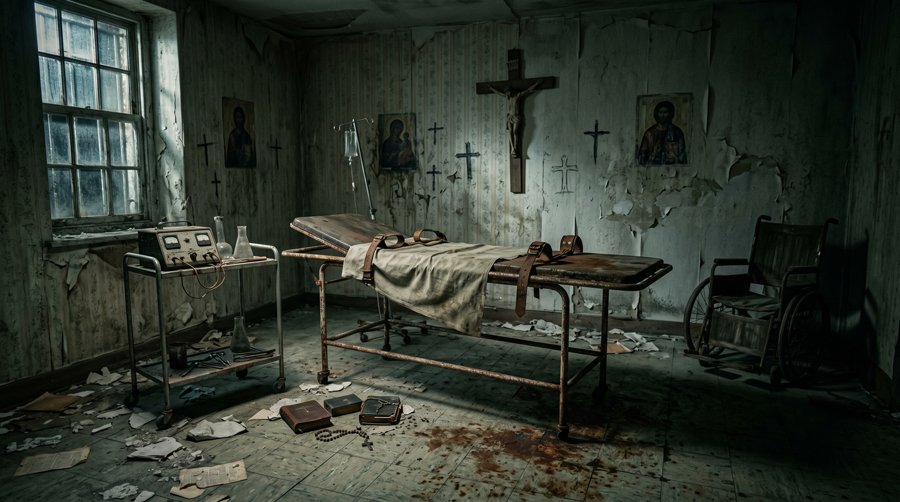
Unlike many horror games focused mainly on monsters, Outlast uses psychological horror effectively.
The asylum is filled with disturbing themes:
- Human experimentation
- Insanity
- Religious extremism
- Isolation
- Loss of identity
The game constantly makes players uncomfortable emotionally, not just visually.
Some scenes disturbed me more because of their implications than actual violence. The feeling that something deeply wrong happened inside Mount Massive Asylum never disappears.
Psychological horror works because it stays in your mind long after playing.
Even after turning off the game, I kept thinking about certain scenes.
That lingering discomfort is part of what makes Outlast memorable.
Sound Design That Made Me Uneasy
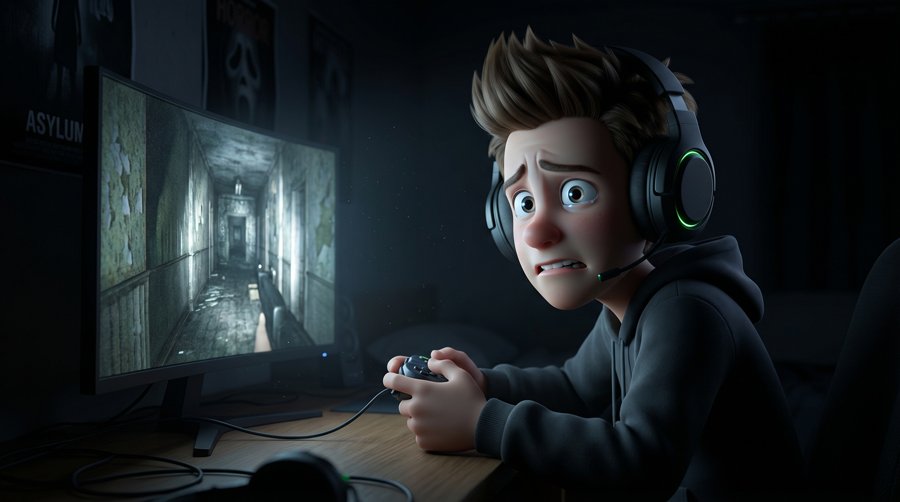
Sound design deserves huge credit for Outlast’s success.
The audio creates fear constantly through:
- Distant screams
- Metallic noises
- Whispering voices
- Heavy breathing
- Sudden silence
Sometimes the absence of sound felt scarier than loud moments.
Wearing headphones made the experience far more immersive—and terrifying. Hearing footsteps nearby while hiding inside a locker created incredible tension.
The game uses sound to manipulate emotions expertly. Even calm moments feel unsafe because disturbing noises can appear at any time.
Few games understand audio horror as well as Outlast.
Darkness, Isolation, and Vulnerability
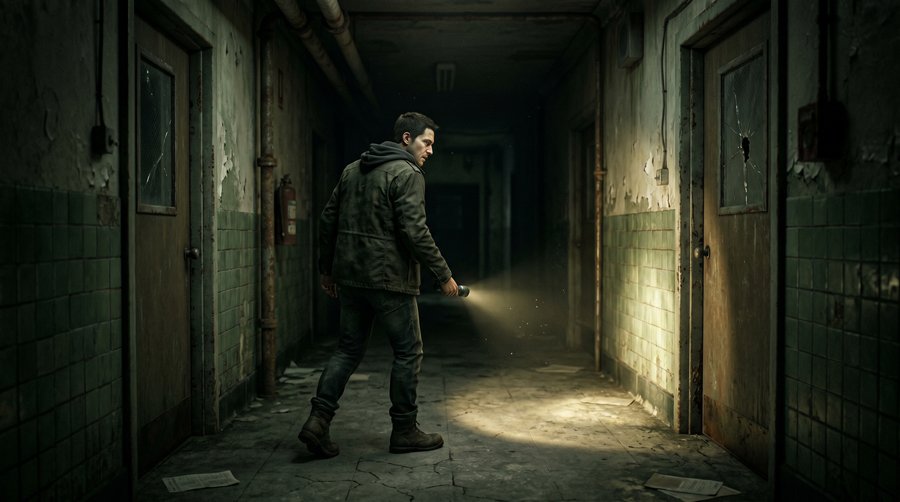
Isolation plays a major role in the horror experience.
Throughout the game, Miles is completely alone inside a nightmare environment. There are no safe companions, no reliable allies, and no comforting moments.
That loneliness amplifies fear dramatically.
Darkness also becomes psychological. The game trains players to fear areas they cannot fully see. Every shadow feels threatening.
This combination of darkness and isolation creates helplessness unlike traditional action games.
I realized horror games succeed when they remove comfort completely.
And Outlast does exactly that.
Why Outlast Feels Different from Other Horror Games
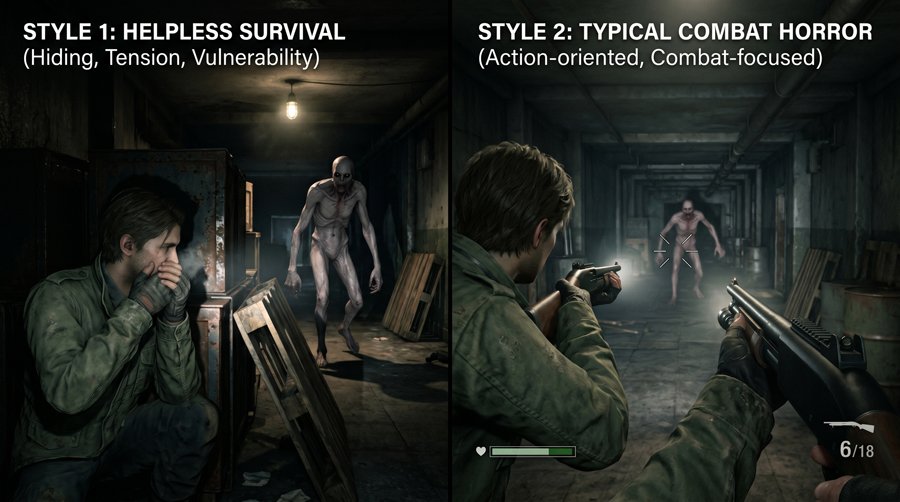
Many horror games mix action with scares, but Outlast commits fully to survival horror.
What makes it unique:
- No combat system
- Realistic vulnerability
- Strong atmosphere
- Psychological storytelling
- Intense chase mechanics
- Claustrophobic environments
The game understands that fear comes from powerlessness.
Instead of empowering players, it forces them to survive through intelligence and courage. That design philosophy creates a much stronger emotional response.
Even years after release, Outlast remains one of the most effective horror games ever made.
Moments That Made Me Want to Quit
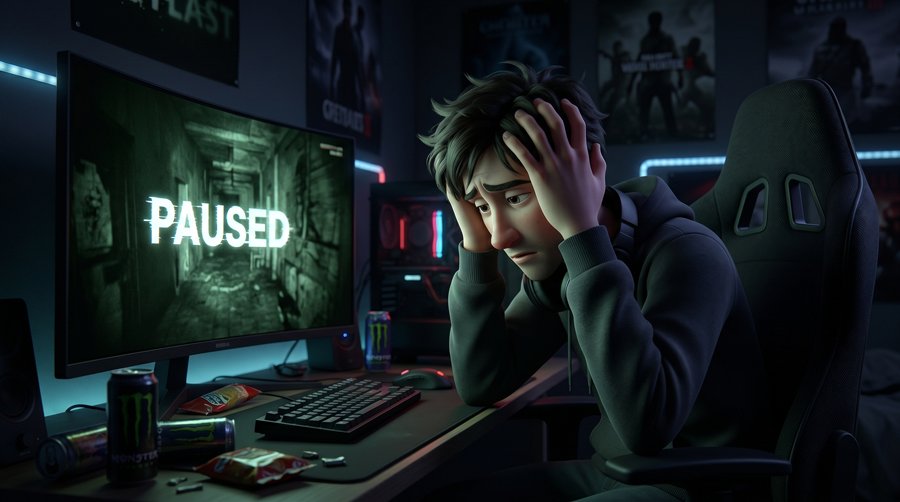
There were multiple moments when I genuinely considered quitting the game.
Some sections became overwhelming due to:
- Darkness
- Constant tension
- Brutal enemy encounters
- Psychological discomfort
- Intense jump scares
At one point, I actually paused the game for nearly thirty minutes before continuing.
The emotional exhaustion surprised me most. Horror games require mental energy because your body remains tense for long periods. But strangely, that intensity also made the experience unforgettable.
The Strange Addiction of Fear
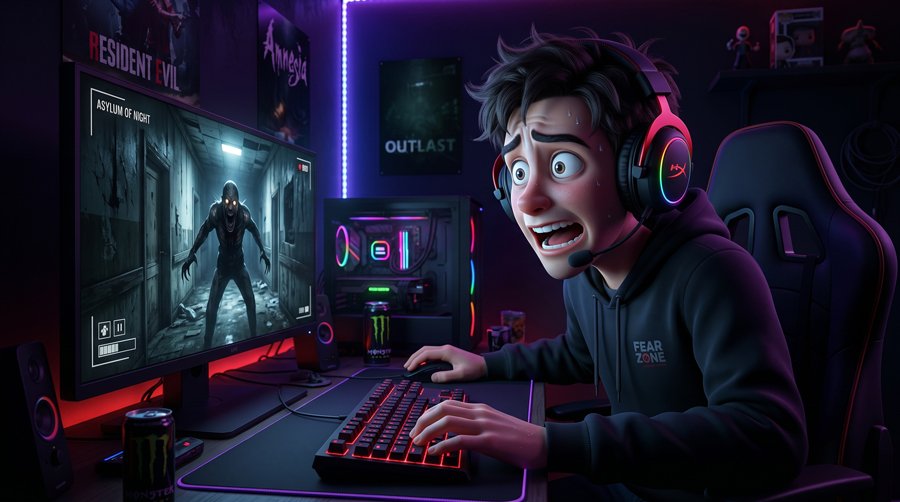
Despite being terrified, I kept playing.
That’s the strange magic of horror games.
Fear creates adrenaline, and adrenaline creates excitement. Players feel challenged emotionally, which makes survival rewarding.
Every successful escape felt satisfying because the danger seemed real.
I finally understood why horror fans love these experiences. The emotional highs become addictive.
The fear hurts—but it also entertains.
Regret After Playing Outlast at Night
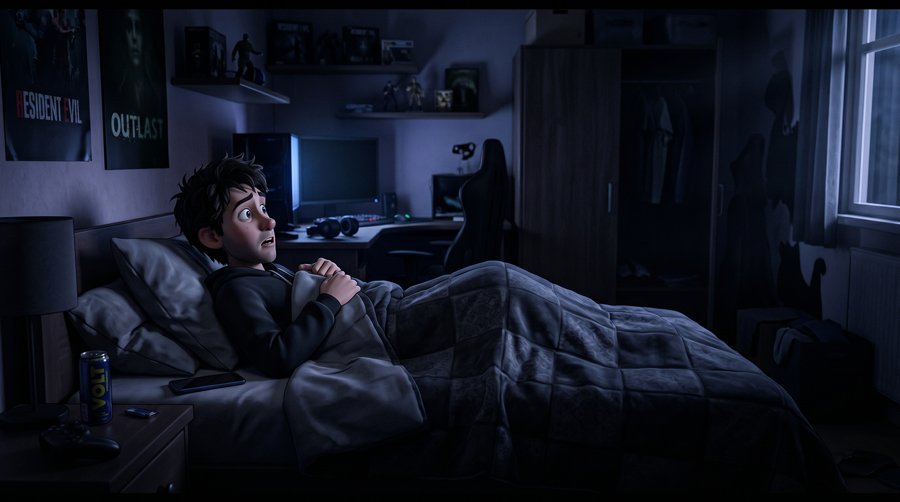
Playing Outlast late at night was a terrible decision.
After finishing several intense sections, I turned off my computer and immediately regretted everything.
Suddenly:
- Every sound in my house felt suspicious
- Darkness looked threatening
- Sleep became difficult
- My imagination became overactive
The game stayed in my head long after playing. That lingering fear proved how effective the experience truly was.
Lessons Learned from My First Horror Experience
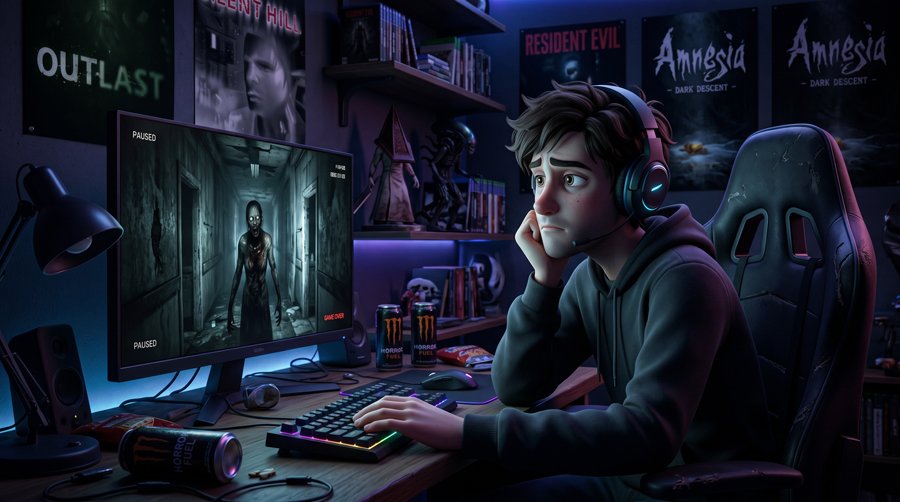
My first horror gaming experience taught me several things:
- Horror games are far more immersive than horror movies
- Atmosphere matters more than graphics
- Psychological tension creates lasting fear
- Sound design is incredibly important
- Vulnerability makes games more intense
Most importantly, I learned that fear in games can actually be enjoyable.
Is Outlast Worth Playing Today?
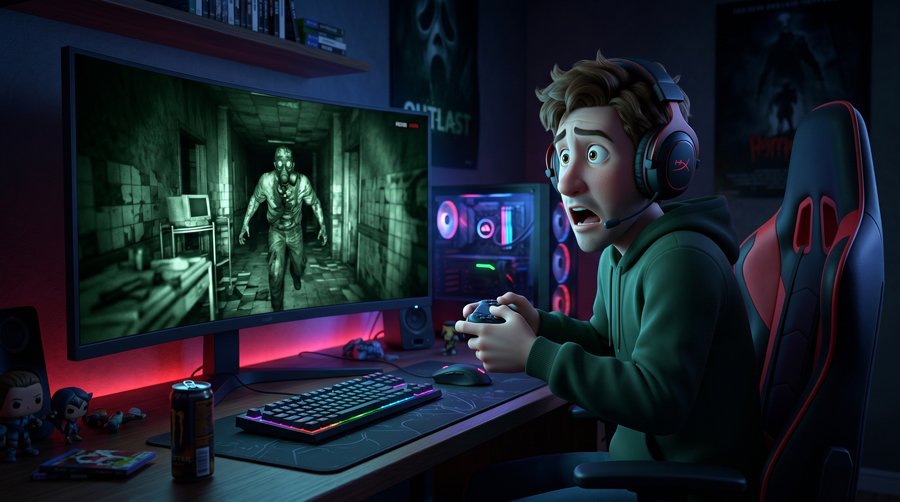
Absolutely.
Even today, Outlast remains one of the best survival horror games available. Its atmosphere, pacing, and psychological tension still hold up extremely well.
New horror fans looking for a terrifying first experience should absolutely try it—if they can handle the stress.
For horror veterans, it remains a genre-defining classic.
You can learn more about the game on the official website: Outlast Official Website
Tips for First-Time Horror Gamers
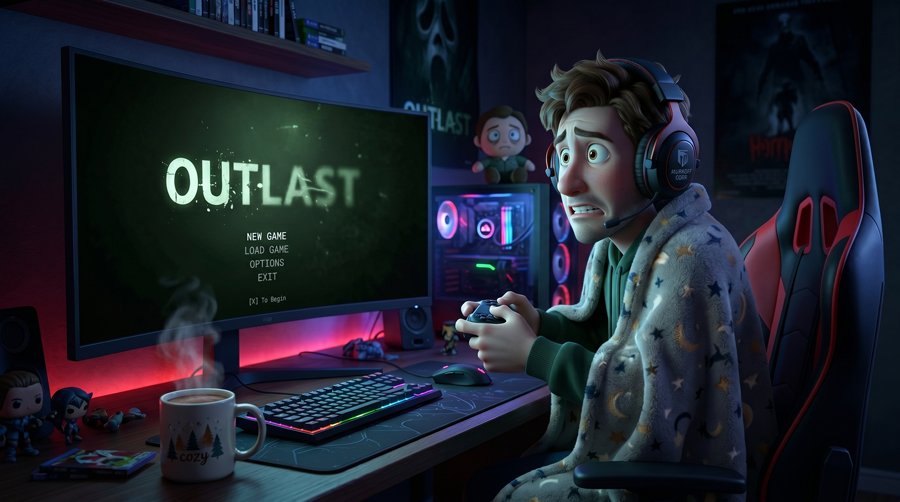
1. Play with Headphones
Audio dramatically improves immersion and tension.
2. Take Breaks
Horror fatigue is real. Don’t force yourself through stressful sections.
3. Play During Daytime
Trust me—night time makes everything worse.
4. Don’t Rush
Exploring carefully helps reduce panic.
5. Accept Fear
The fear is part of the fun experience.
Frequently Asked Questions
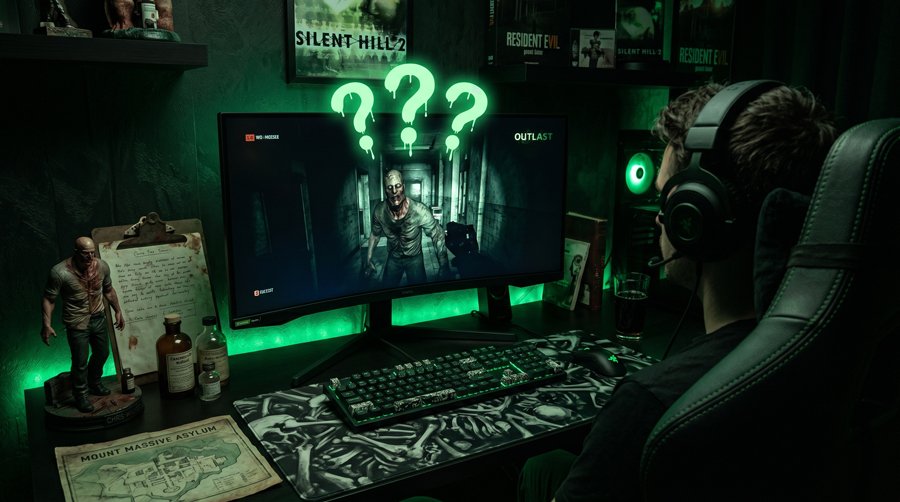
Is Outlast really that scary?
Yes. Outlast is widely considered one of the scariest horror games because of its atmosphere, sound design, and helpless gameplay mechanics.
Can you fight enemies in Outlast?
No. Players cannot fight enemies. Survival depends entirely on running, hiding, and escaping.
How long is Outlast?
The main story typically takes around 5–7 hours to complete depending on playstyle.
Is Outlast suitable for beginners in horror gaming?
It can be challenging for beginners due to its intense horror elements, but it’s also an unforgettable introduction to survival horror.
Why is Outlast so popular?
The game combines psychological horror, immersive storytelling, terrifying atmosphere, and intense gameplay extremely effectively.
Does Outlast have jump scares?
Yes, but the game relies more heavily on tension and atmosphere than constant cheap jump scares.
Final Thoughts
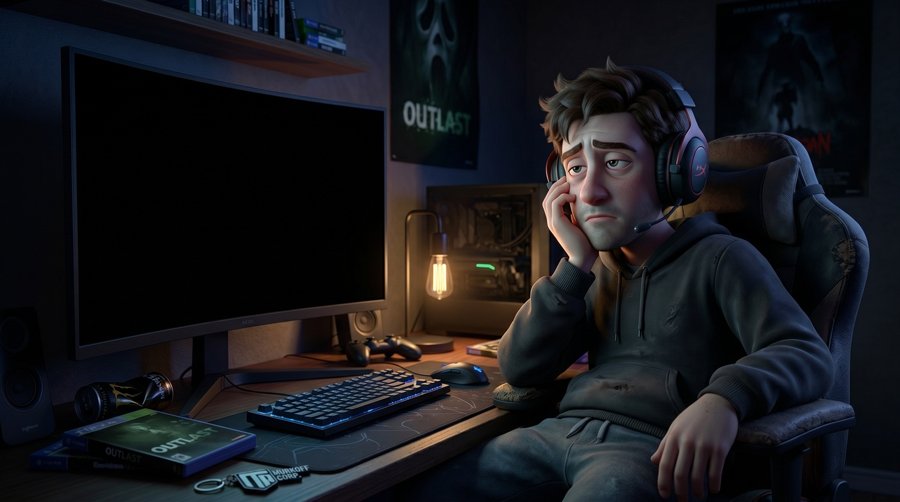
My first experience with Outlast was unforgettable.
It terrified me, stressed me out, and made me question why people willingly play horror games. Yet somehow, despite all the fear and regret, I couldn’t stop thinking about it afterward.
That’s what makes Outlast special.
It doesn’t simply scare players—it immerses them completely in fear. The atmosphere, vulnerability, sound design, and psychological horror combine into an experience that feels intensely personal.
Would I play it again?
Probably.
Would I recommend it to others?
Absolutely.
Just maybe… don’t play it alone at 2 AM.