
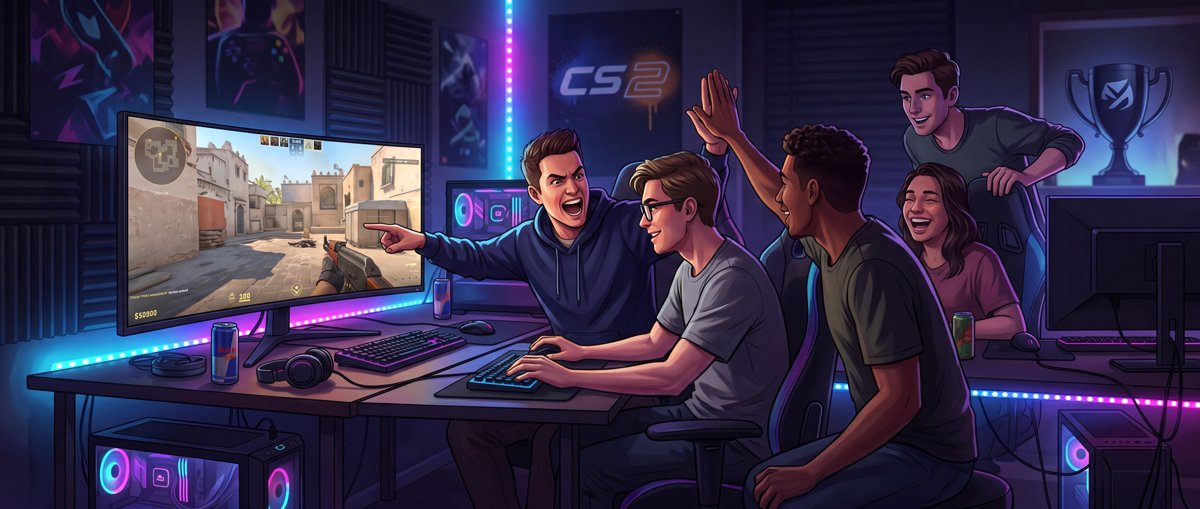

How My Journey With Counter‑Strike Began
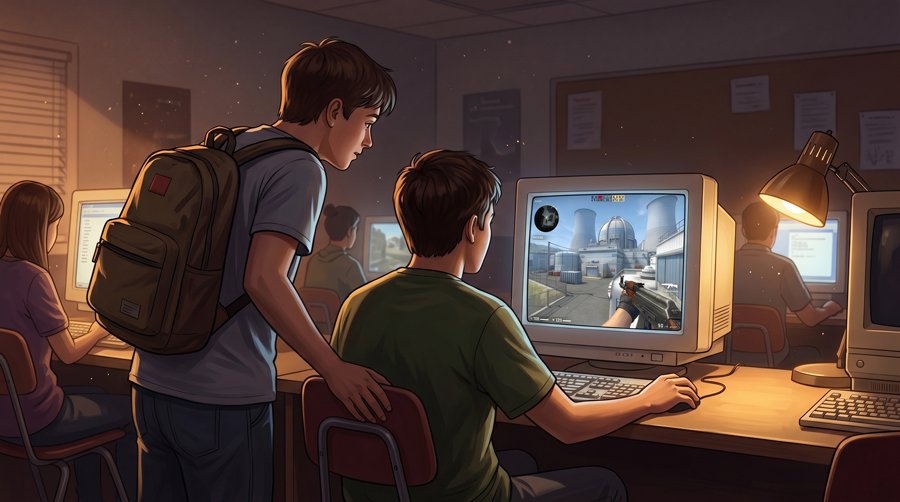
From the moment I first saw a friend bunny hopping on Nuke at my institute, Counter‑Strike captured my curiosity and never let go. What started with a simple question—“What game is this?”—slowly turned into a lifelong bond with one of the most iconic tactical shooters ever made.
From CS:GO to Counter‑Strike 2: A Next‑Gen Tactical Shooter
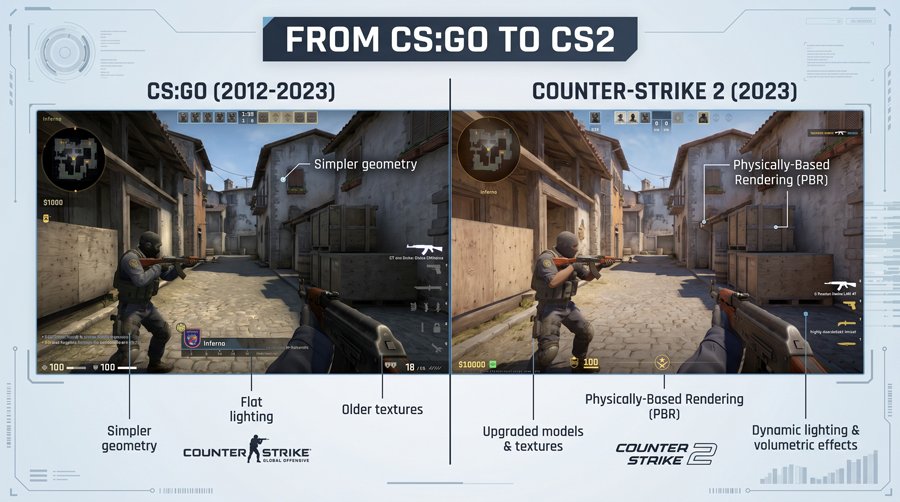
Back then, the game was called Counter‑Strike: Global Offensive (CS:GO), but today we know its upgraded form as Counter‑Strike 2 (CS2), a free‑to‑play tactical first‑person shooter developed by Valve. Built on the Source 2 engine, Counter‑Strike 2 modernizes the classic experience with realistic physics‑based visuals, responsive gameplay, and improved networking while preserving the core focus on precise gunplay and team strategy.
What Makes Counter‑Strike Gameplay So Special
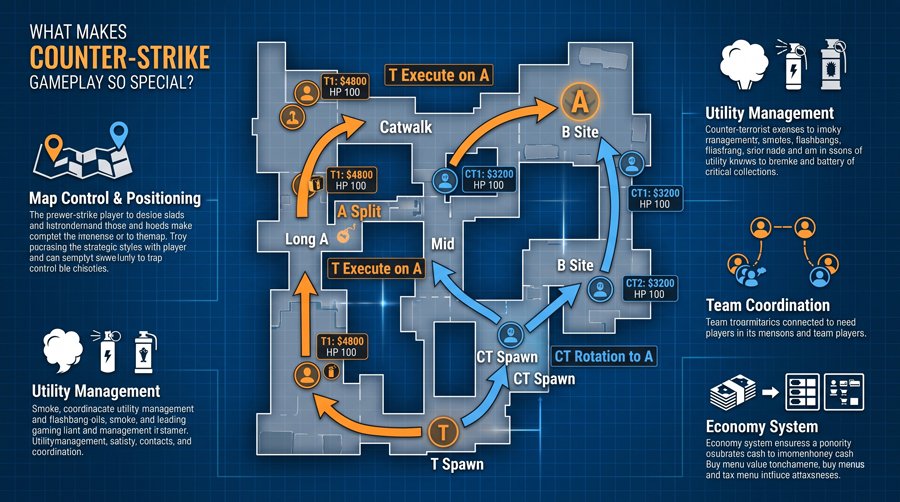
In Counter‑Strike, every round is a battle between Terrorists and Counter‑Terrorists where strategy, communication, and aim all matter more than luck. The smallest decision—whether to push, rotate, save, or retake—can decide the entire match, which is exactly what keeps the game fresh even after thousands of hours.counterstrike
My First Match: Confusion, Chaos… and Instant Love
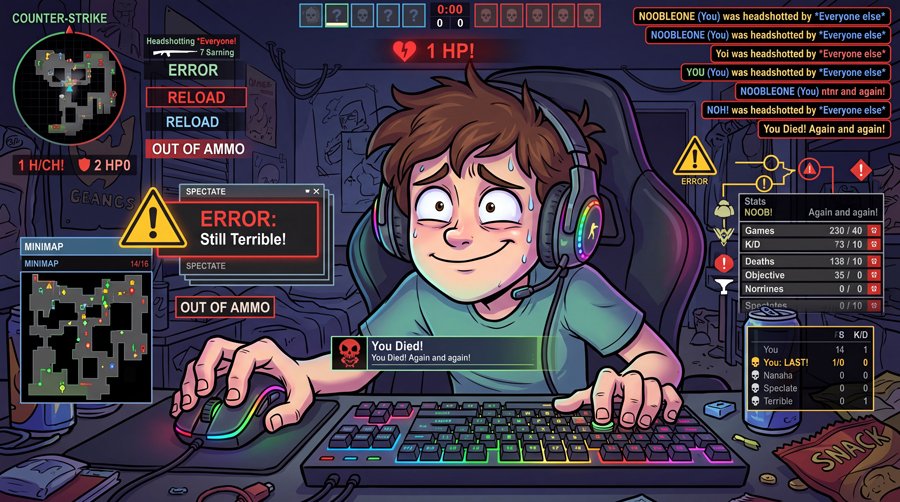
My first ever CS:GO match was a complete disaster—most likely a deathmatch where I had no idea what I was doing. I got eliminated quickly, understood almost nothing about the game mechanics, and probably annoyed my friends with endless questions and missed calls. Yet, beneath all that confusion, I felt something special: the thrill, the pacing, and the promise of a game that rewards improvement.
Learning the Hard Way With Friends
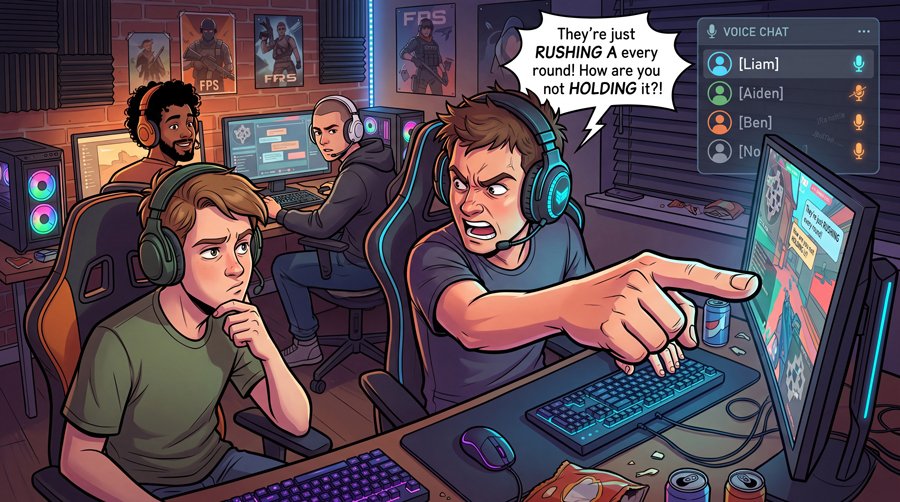
When I started playing with my friends, I got yelled at a lot for not listening to callouts, having no game sense, and running around without purpose. But amid the shouting, there was one friend whose gameplay I kept watching and copying, and even today I feel his mechanics and decision‑making are still sharper than mine. Getting scolded hurt sometimes, but it also became the fuel that pushed me to learn, improve, and take the game seriously.
Discovering Esports: ESL and the Dream of the Big Stage
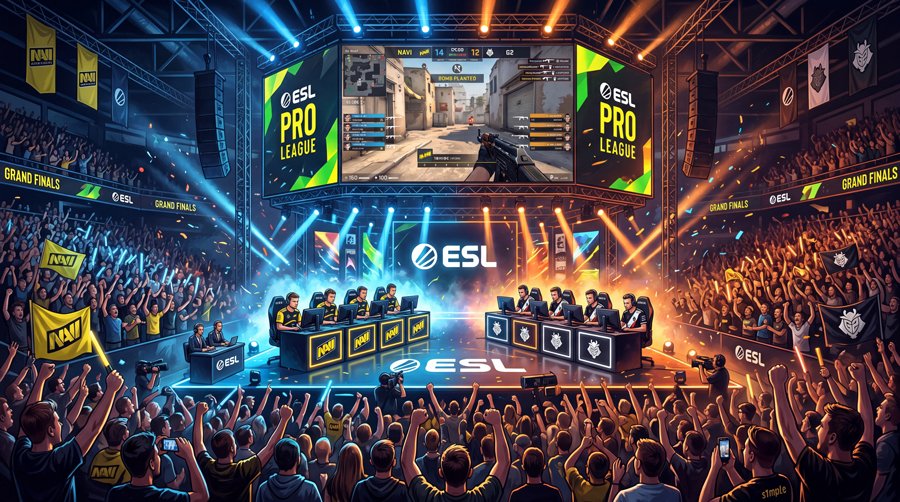
As I got deeper into CS:GO, I discovered that this wasn’t just a casual shooter—it was a full‑fledged esport with international tournaments, pro teams, and massive crowds. Organizations like ESL (Electronic Sports League), one of the world’s largest esports companies, host premier Counter‑Strike events where elite teams fight for trophies, prize pools, and legacy. Watching these tournaments live, feeling the energy of the arena, and seeing players lift ESL trophies made me dream of one day standing on that stage myself.
The Inspiration I Got from Pro Players
Seeing pro players’ insane aim, utility usage, and discipline completely changed how I looked at the game. I started noticing timings, crosshair placement, and rotations, and tried to copy the little tricks I saw on stream. Even though I was just playing from my room, in my head I was always imagining the roar of a crowd and the pressure of a grand final.
Why Dust II Will Always Be Our Comfort Map
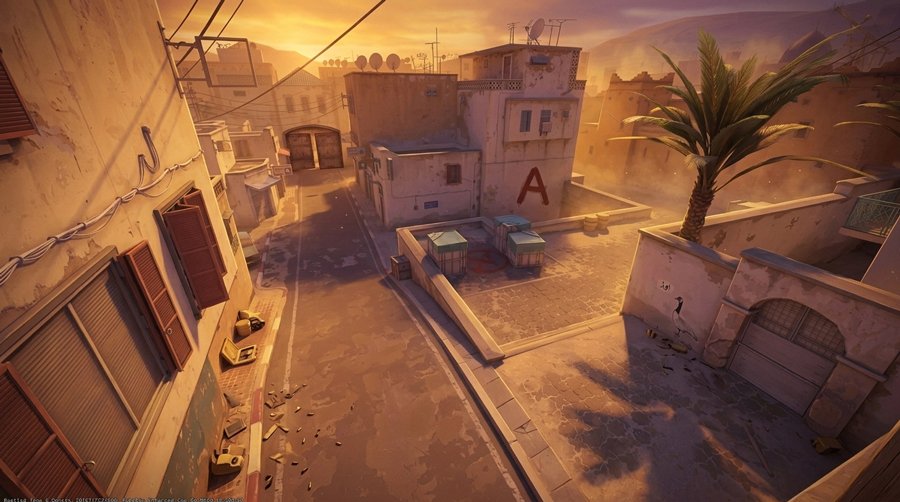
Out of all the maps in Counter‑Strike, Dust II (de_dust2) will always have a special place in my heart. Dust II is one of the most iconic and widely‑played maps in the Counter‑Strike franchise, known for its perfect balance and popularity in both casual servers and professional tournaments. No matter how bad the server is or whether there’s a hacker in the lobby, somehow we always end up queuing for Dust II because it just feels like home.
Inside Jokes, Arguments, and D2 Obsession
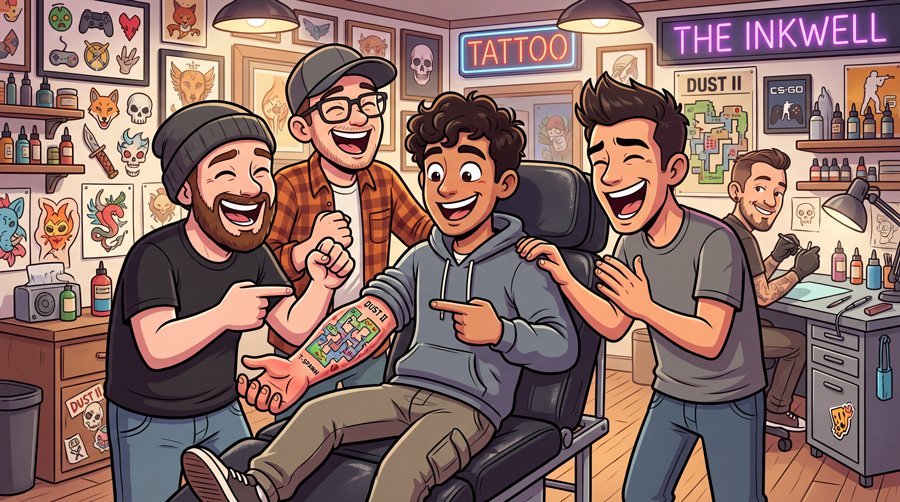
We’ve argued, teased, and roasted each other endlessly over Dust II—about who holds which angle, who missed which shot, and who messed up a simple cross. We’ve memorized every callout and tiny detail on the map so well that we probably remember Dust II better than our school textbooks. At this point, I wouldn’t even be surprised if someone from our group actually got a D2 tattoo.
Practicing Lineups, Wallbangs, and Flexing Utility Skills
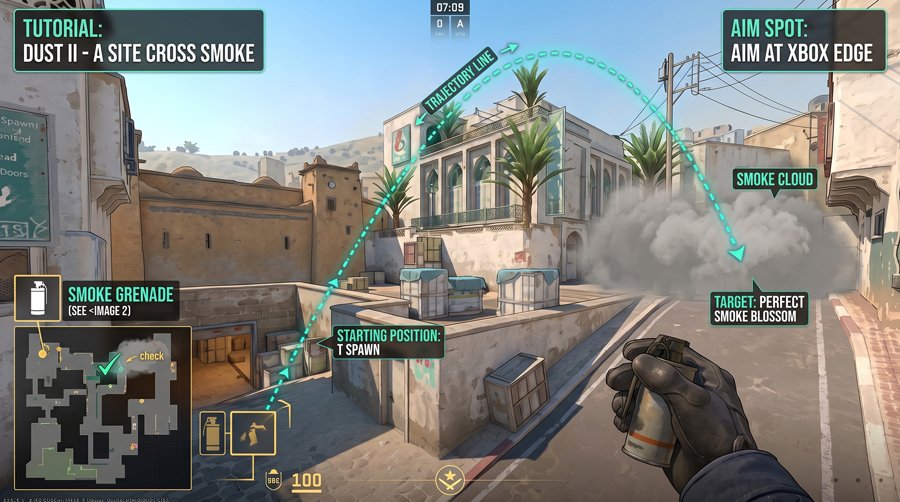
CS:GO turned us into nerds for utility and lineups. We spent countless hours practicing smokes, grenades, and Molotov lineups just so we could flex on each other in matches. We learned exactly how to throw, where each grenade would land, and how a single smoke or Molotov could change an entire round.
Knowing Every Angle, Rotation, and Wallbang
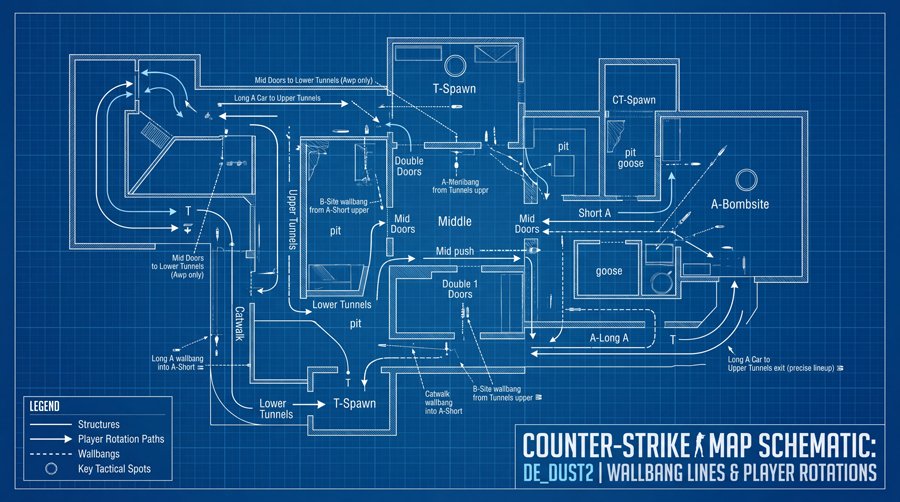
Over time, wallbang spots and rotation timings got hard‑wired into our brains. We learned where bullets could penetrate walls, how long it takes to rotate from one site to another, and where enemies are likely to hold common angles. All this knowledge wasn’t from guides—it came from hundreds of matches, trial and error, and a lot of laughing at failed experiments.
Begging for Guns and Fighting Over the AWP
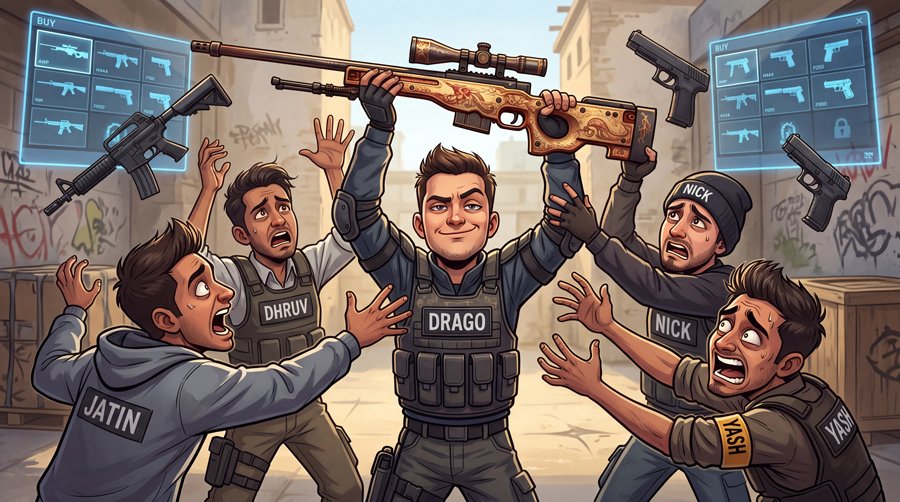
In our lobbies, asking for a weapon is almost like begging in public. One round someone is asking for a drop, another round someone is begging for an expensive skin, and every other round multiple people are fighting over who gets the AWP. Ideally, the AWP should go to the best sniper—but in reality, most of us just want it to show off and say, “I’ll be the sniper this round.”
Meeting Strangers Who Became Friends
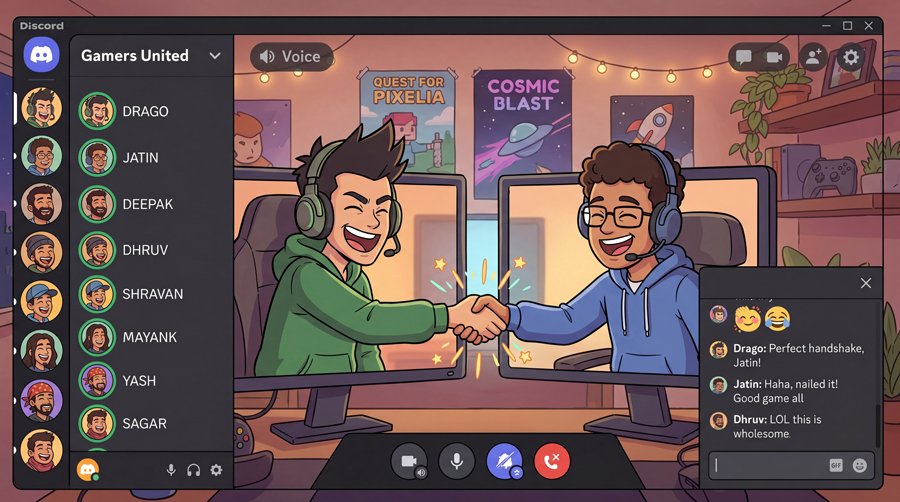
Beyond the frags and ranks, Counter‑Strike also gave me something more important: people. I’ve met countless players in CS:GO and CS2 who went from random teammates to regular squad mates and eventually real friends. One of my favorite memories is adding a player who had a girl’s name in‑game, only to join voice chat and realize he was a guy—we laughed about it for a long time and still joke about it today.
Hackers, Trash Talk, and Still Having Fun
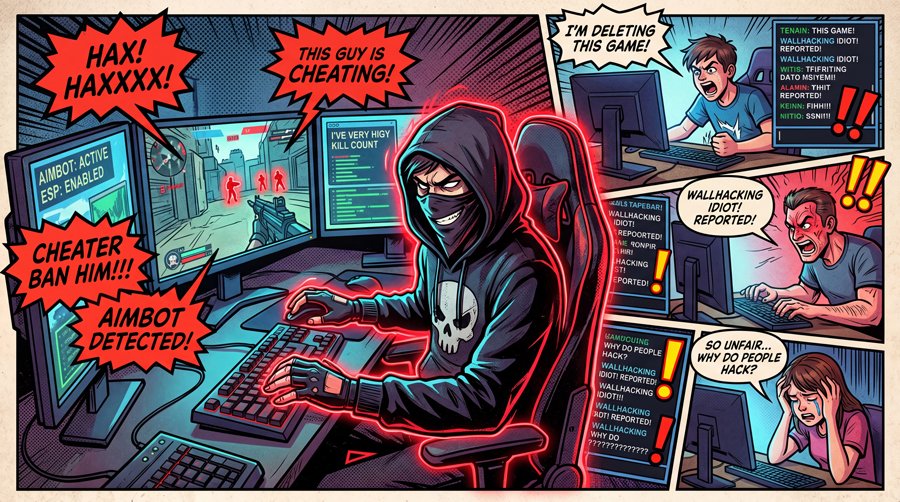
Of course, no Counter‑Strike story is complete without mentioning hackers. CS:GO (and now CS2) has always had its fair share of cheaters, and they can ruin perfectly good tactical matches. The moment we realize there’s a hacker on the other team, we start trash‑talking, trying to tilt them into leaving, but most of the time it just turns into a back‑and‑forth of insults and a painful defeat.
Turning Frustration Into Laughter
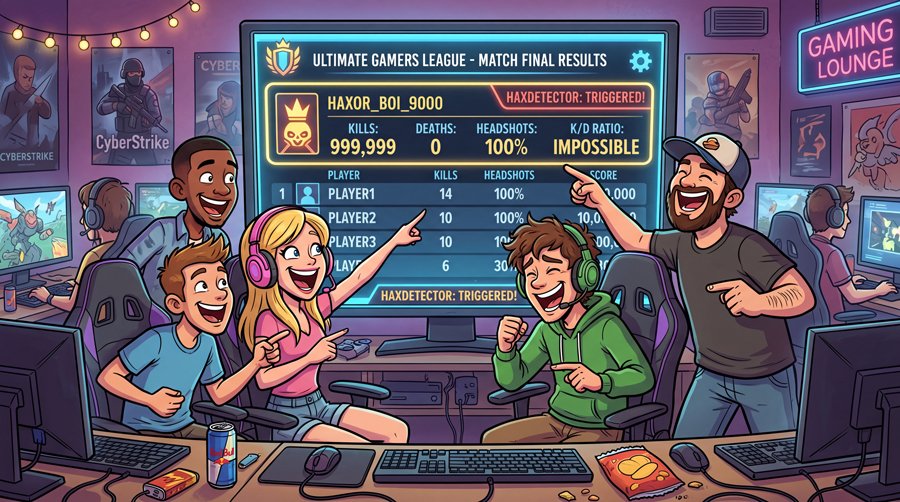
Even then, somehow we always manage to turn the frustration into jokes. Whether it’s mocking ridiculous spinbots or laughing at our own bad luck, we end up making memories out of even the most annoying games. That’s the magic of Counter‑Strike with friends—it might stress you out, but it never truly becomes boring.
Why Counter‑Strike Never Gets Boring
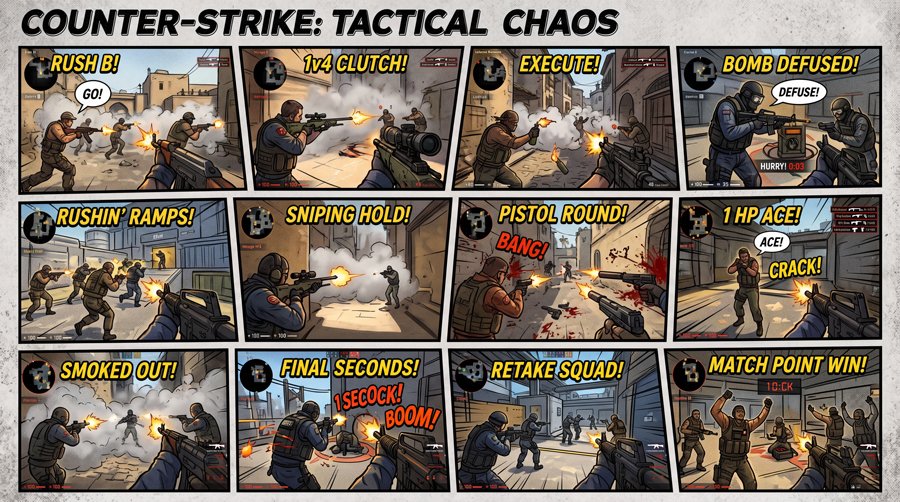
Even after thousands of matches, Counter‑Strike still feels fresh because no two games are ever the same. Every time you queue, you face different players, new strategies, unexpected plays, and unique situations that force you to adapt on the fly. Watching others—whether friends, random teammates, or pros—always teaches you new tricks and ways to approach the game.
The Adrenaline Rush of Competitive Matches
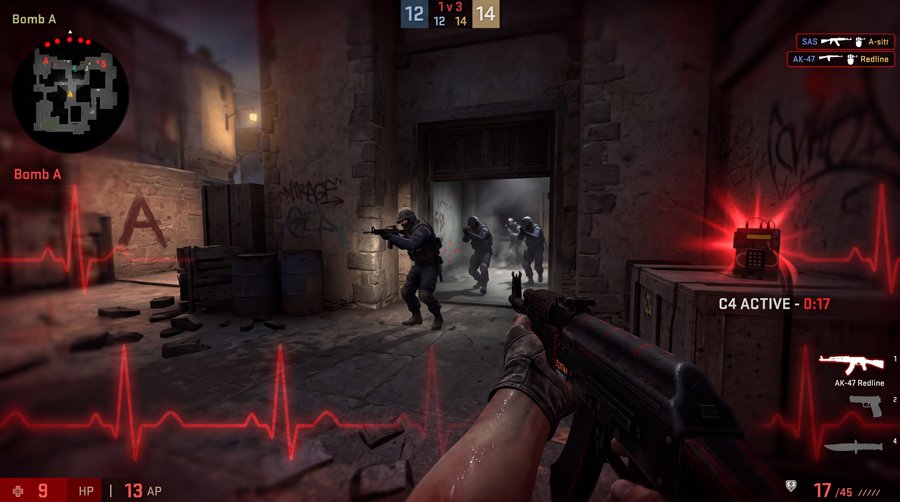
Competitive matches in Counter‑Strike come with an adrenaline rush that’s hard to compare to anything else. When the score is close and you’re in a 1v3 clutch, your heart starts racing, your hands shake, and your focus tunnels into the screen. Honestly, sometimes it feels more stressful than what people experience during a high‑stakes job interview.
Rage, Criticism, and Growth
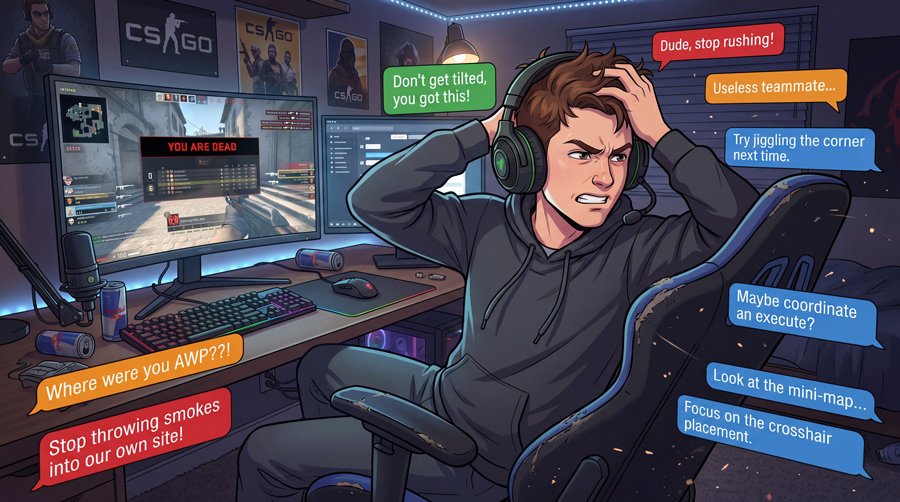
If you play well, the rush feels amazing, but if you underperform, the criticism and frustration from teammates can hit hard. There have been times when I rage‑quit out of pure tilt, promising never to open the game again—only to come back later. Yet, this same pressure has also helped me grow; my friends might yell, but they also guide me, correct my mistakes, and help me improve.
How Counter‑Strike Made Me Better in Real Life
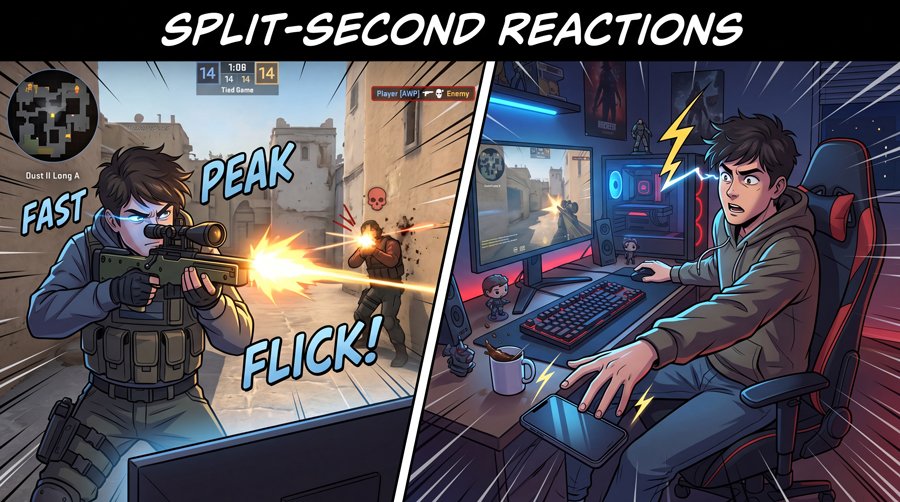
Counter‑Strike hasn’t just improved my aim—it has genuinely helped me in real life. My reflexes have become sharper, and my decision‑making under pressure has improved significantly. In situations that require quick thinking, I find myself responding more confidently, almost like I’m making a fast call in a clutch round.
Learning Weapons, Gear, and Fast Thinking
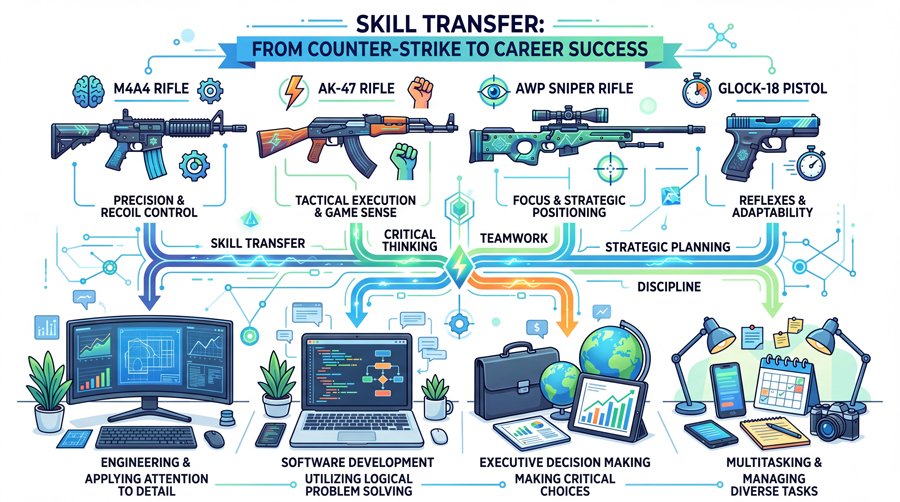
After spending so many hours in the game, weapon names, roles, and equipment have become second nature. I don’t have to think twice about what an AWP, AK‑47, or M4 does—it’s all hard‑coded in my mind. That familiarity with roles, tools, and quick choices translates into the way I analyze problems and react under pressure in everyday life.
The Friend Who Guided Me: Thank You, Jatin Kathayat
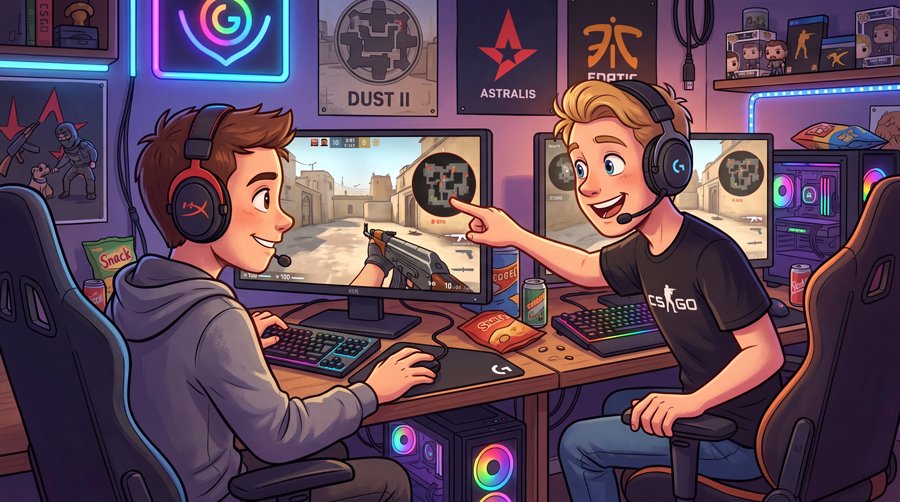
Behind my journey in Counter‑Strike, there’s one person I have to thank: my friend and gaming mentor, Jatin Kathayat. He’s the one who taught me how to play, how to learn new things in game, and what to do in different situations—even if his guidance sometimes came in the form of harsh criticism. In‑game, he’s been my biggest guide, pushing me to improve while others just roasted me for my mistakes.
Gratitude for Everyone I Played With
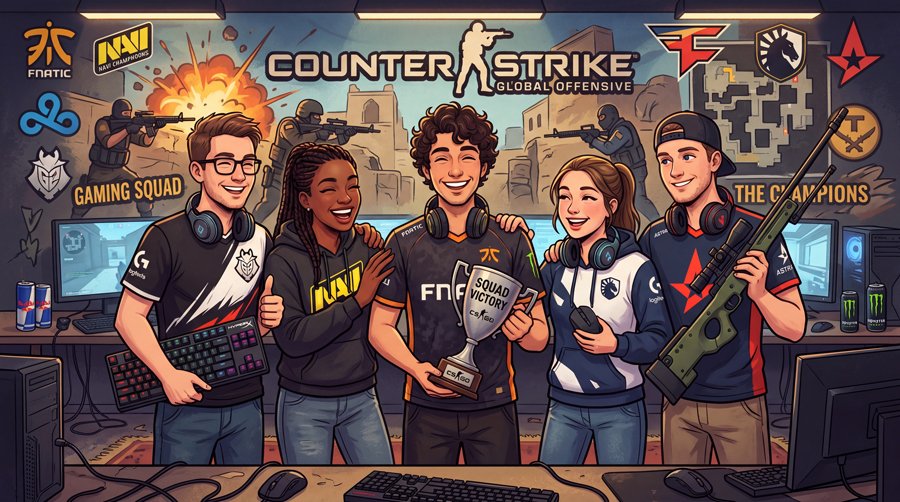
Of course, many other friends have helped me along the way—those who queued with me, joked with me, raged with me, and celebrated victories with me. But Jatin is the one who truly shaped my gaming journey, and for that, I’ll always be grateful.
Final Thoughts: Why Counter‑Strike Will Always Be My Number One
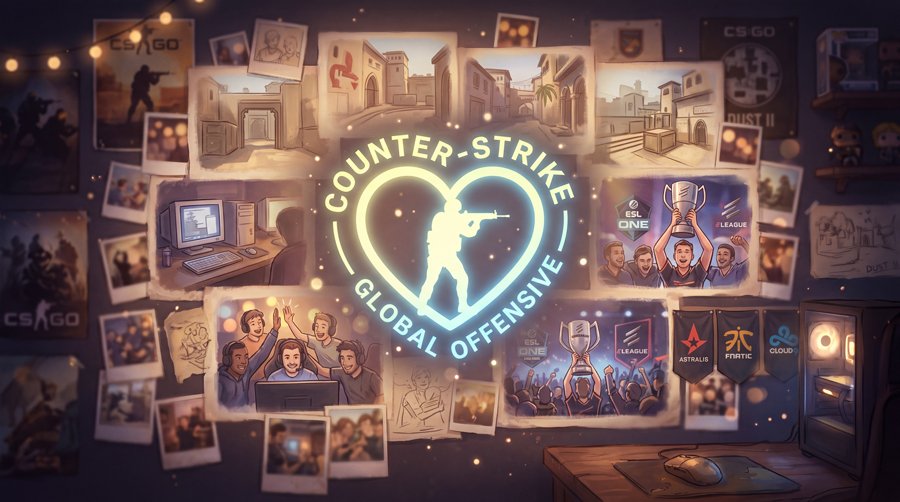
Games will keep evolving, graphics will improve, and new titles will come and go—but Counter‑Strike will always remain my number one favorite game. It’s more than just a tactical shooter; it’s a mix of memories, friendships, arguments, dreams of esports stages, late‑night queues, and personal growth. No matter how much gaming changes, my heart will always have a reserved spot for Counter‑Strike.